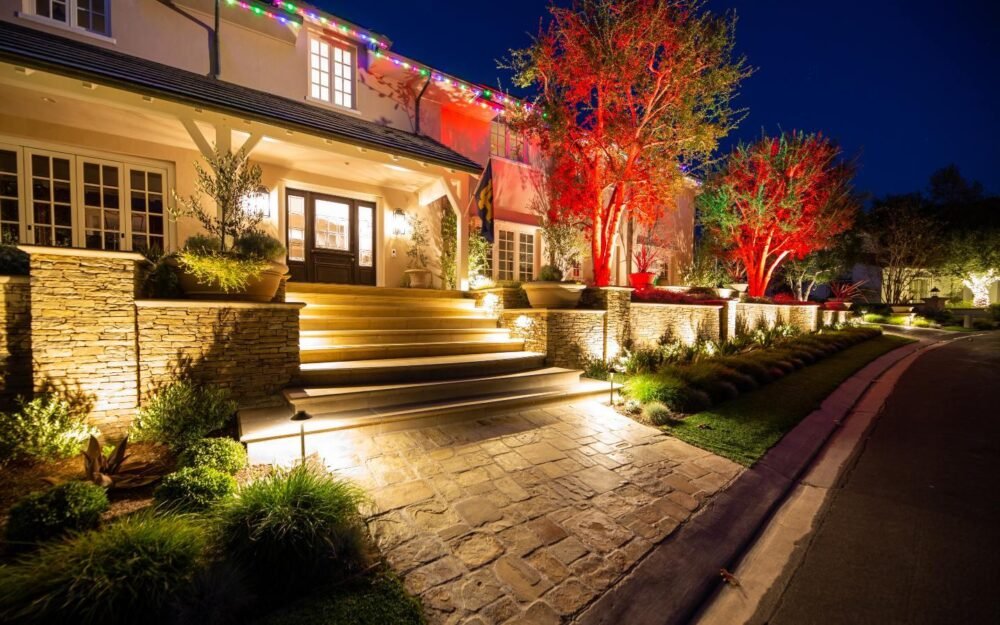
Residential outdoor lighting design often fails when lights are installed without a clear plan. A few path lights here, maybe a floodlight near the garage, and a couple of wall fixtures near the front door. Then night falls, and the result isn’t quite what they expected.
Some areas are blindingly bright. Other spots are dark. Glare hits your eyes when you walk down the pathway. And energy bills quietly creep up because the lighting system wasn’t planned properly.
This is where the right outdoor lighting design makes the difference. Good lighting isn’t about randomly placing fixtures. It’s about planning how light shapes your home, highlights the landscape, and guides people safely through the space.
In this guide, we’ll show how to design landscape lighting for a home, which fixtures professionals use, and the mistakes that ruin many projects. If you’re planning an outdoor landscape lighting design, this will give you the right place to begin.
Table of Contents
Quick Answer
Planning residential outdoor lighting design starts with identifying safety areas, such as walkways and entrances, and then highlighting architectural or landscape features like trees, walls, and patios.
A good lighting layout typically includes three layers:
• Path and safety lighting for navigation
• Accent lighting to highlight landscape elements
• Ambient lighting for patios, seating areas, and walls
Next, choose fixtures such as flood lights, spotlights, path lights, and external wall lights. Proper spacing, beam angles, and placement help prevent glare while creating balanced illumination.
Lighting Layout Diagram
A basic residential outdoor lighting layout usually distributes light across functional and decorative zones.
| Area | Lighting Fixture | Purpose |
|---|---|---|
| Front Entrance | External Wall Lights | Entry visibility and curb appeal |
| Walkways | Path Lights | Safe navigation |
| Trees | Spotlights | Accent lighting |
| Driveway | Flood Lights | Security lighting |
| Patio | Downlighting / Wall Lights | Ambient outdoor lighting |
This layout helps homeowners visualize how different lighting layers work together in a residential outdoor lighting design.
Contact Us for a Project Consultation
Why pay more? At George Living, we cut out the middlemen to bring you premium furniture, flooring, doors, windows,marble and tiles and more—all at prices up to 40% below retail. With 20+ years of experience and 600 consultants, we provide complete, custom project solutions, from initial design to final delivery.
How to Design Landscape Lighting for a Home?
Many homeowners search for how to design landscape lighting, but experienced landscape lighting designers typically follow a structured approach that balances safety, aesthetics, and energy efficiency.
One does not need a professional degree to begin planning outdoor lighting. With careful thinking and a simple layout plan, homeowners can design an effective system.
Begin With Safety and Pathway Lighting
Before focusing on aesthetics, identify the areas where lighting improves safety and visibility at night. These typically include:
• Walkways and garden paths
• Steps and elevation changes
• Driveways and garage entrances
• Front door entry areas
Path lights are typically spaced 6–10 feet apart, depending on brightness and beam dispersion.
A typical residential path light outputs 100–200 lumens, which provides clear visibility without creating harsh glare. When lights exceed 200 lumens, installers usually increase spacing to avoid overly bright spots.
Locate Landscape and Architectural Focal Points
After planning safety lighting, the next step is identifying what should be highlighted.
Not every part of the yard needs lighting. Selective lighting usually produces a more attractive landscape design.
Common focal points include:
• Large trees
• Stone walls or textured siding
• Garden sculptures or fountains
• Unique architectural features
Lighting these elements creates depth and visual interest instead of flooding the entire yard with light.
Layer Different Types of Outdoor Lighting
Professional outdoor landscape lighting design rarely uses only one type of lighting.
Instead, designers combine multiple layers, similar to indoor lighting.
Typical layers include:
• Accent lighting for trees or statues
• Ambient lighting for patios and seating areas
• Task lighting near doors and pathways
When selecting accent lighting, homeowners often compare spotlights and floodlights.
Spotlights vs Floodlights
| Feature | Spotlights | Floodlights |
|---|---|---|
| Beam Angle | Narrow beam (15°–45°) | Wide beam (60°–120°) |
| Best Use | Highlight objects | Illuminate large areas |
| Common Applications | Trees, statues, columns | Driveways, patios |
| Lighting Effect | Focused accent | Broad coverage |
Contact Us for a Project Consultation
Why pay more? At George Living, we cut out the middlemen to bring you premium furniture, flooring, doors, windows,marble and tiles and more—all at prices up to 40% below retail. With 20+ years of experience and 600 consultants, we provide complete, custom project solutions, from initial design to final delivery.
Lighting Wattage Guide Table
Choosing the correct brightness is an important part of residential outdoor lighting design.
| Lighting Area | Recommended Lumens |
|---|---|
| Path lights | 100–200 lumens |
| Garden accents | 200–300 lumens |
| Trees | 200–400 lumens |
| Driveways | 700–1300 lumens |
| Security floodlights | 1300+ lumens |
This table helps homeowners balance brightness without creating glare or unnecessary energy use.
Placement and Spacing of Plan Fixtures
Most DIY residential outdoor lighting design projects fail due to incorrect fixture placement.
Lights installed too close together cause glare and wasted energy. Fixtures placed too far apart create dark zones.
Professionals usually consider:
• Beam angle
• Mounting height
• Fixture spacing
For example, spotlights used for trees are usually placed 1–3 feet from the base. For large trees, designers may move the fixture 3–6 feet away to spread light across the trunk and branches.
Test the Lighting Layout Before Final Installation
Experienced installers almost always test lighting before permanent installation.
Temporary placement helps reveal:
• Shadow direction
• Glare problems
• Poor focal point visibility
Testing at night can prevent costly repositioning later.
Even professional lighting plans sometimes look different when lights are actually turned on.
Common Fixture Styles For Outdoor Home Lighting
Various fixtures are used for different purposes. A well-designed residential outdoor lighting system usually combines multiple fixture types.
Flood Lights
Floodlights cover large areas.
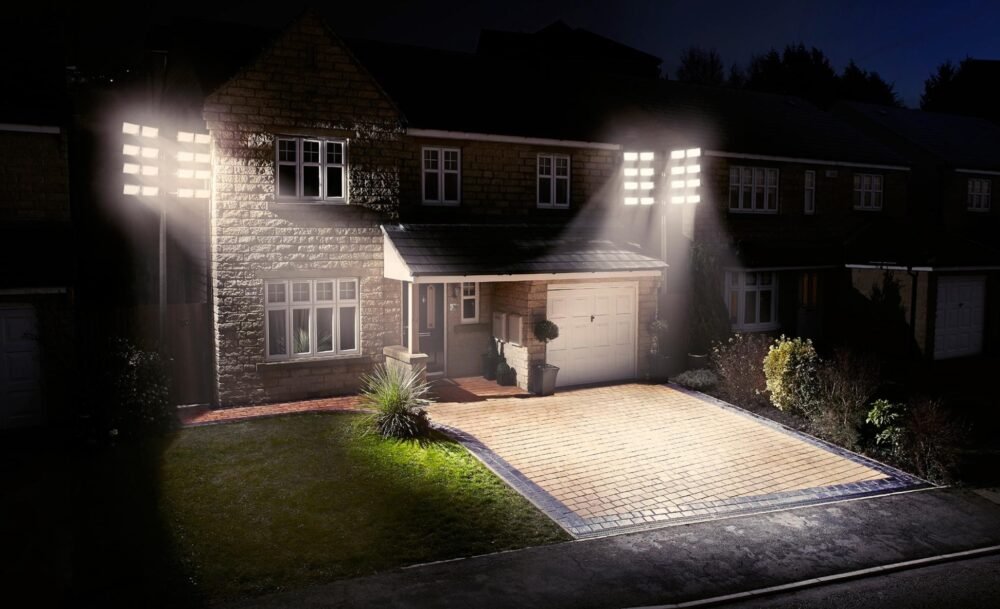
They typically use wide beam angles above 100 degrees, making them ideal for:
• Driveways
• Large gardens
• Security lighting
• Patios
Floodlights are commonly used for security lighting and general outdoor visibility.
Contact Us for a Project Consultation
Why pay more? At George Living, we cut out the middlemen to bring you premium furniture, flooring, doors, windows,marble and tiles and more—all at prices up to 40% below retail. With 20+ years of experience and 600 consultants, we provide complete, custom project solutions, from initial design to final delivery.
Spotlights
Spotlights create a focused beam of light designed to highlight specific objects.
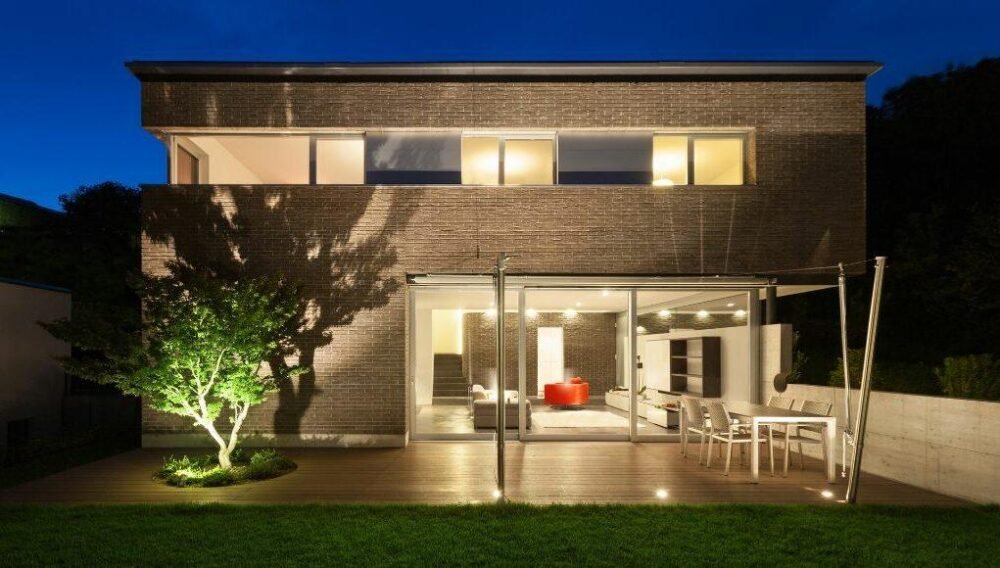
They work best for:
• Trees
• Sculptures
• Architectural columns
• Landscape features
Spotlights are commonly used in landscape lighting design because they add depth and visual focus.
Path Lights
Path lights are one of the most common elements in residential outdoor lighting design.
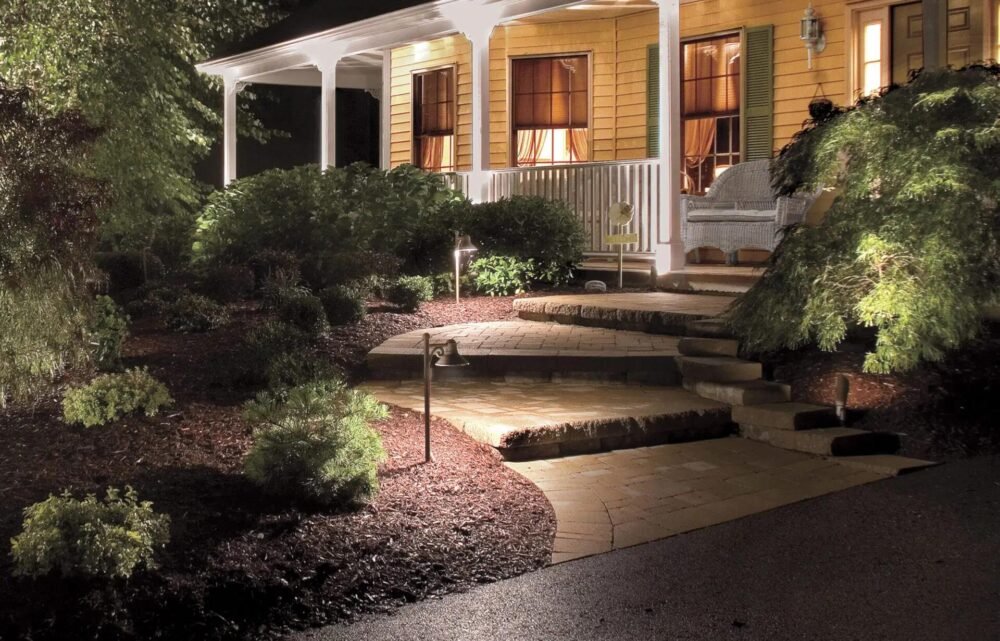
They illuminate:
• Garden paths
• Walkways
• Driveway edges
Proper spacing creates a soft rhythm of light that improves both safety and visual appeal.
External Wall Lights for Houses
External wall lights for houses serve both decorative and functional purposes.
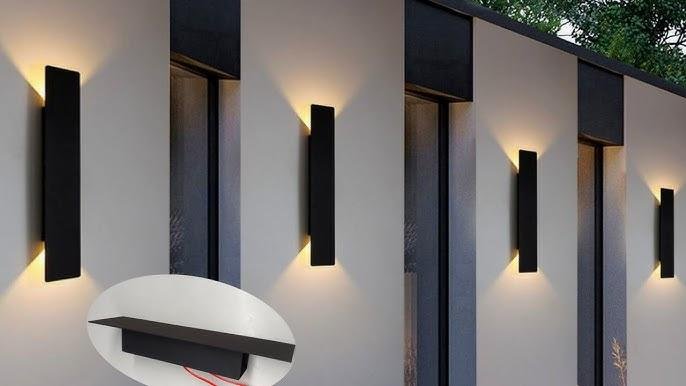
They are typically installed near:
• Entry doors
• Garages
• Patios
• Garden walls
Warm LED wall lighting can transform a home entrance into a welcoming space at night.
Many professional installers source fixtures from manufacturers such as George Lighting Solutions and other architectural lighting brands known for durable outdoor lighting systems.
Contact Us for a Project Consultation
Why pay more? At George Living, we cut out the middlemen to bring you premium furniture, flooring, doors, windows,marble and tiles and more—all at prices up to 40% below retail. With 20+ years of experience and 600 consultants, we provide complete, custom project solutions, from initial design to final delivery.
Outdoor Landscape Lighting Design Techniques Professionals Use
Professional landscape lighting is rarely about brightness alone.
Instead, designers use techniques that create depth and contrast.
Uplighting
Uplighting places fixtures at ground level with beams directed upward.
It is often used for:
• Large trees
• Columns
• Stone walls
• Sculptures
This technique creates dramatic shadows and visual height.
Downlighting
Downlighting works in the opposite direction.
Fixtures are mounted above and shine downward, creating a natural moonlight effect.
This technique works well for:
• Garden beds
• Driveways
• Patios
• Outdoor seating areas
Wall Grazing
Wall grazing highlights textured surfaces.
Lights are placed close to walls so the beam skims across the surface.
This technique works well for:
• Stone walls
• Decorative exterior finishes
Contact Us for a Project Consultation
Why pay more? At George Living, we cut out the middlemen to bring you premium furniture, flooring, doors, windows,marble and tiles and more—all at prices up to 40% below retail. With 20+ years of experience and 600 consultants, we provide complete, custom project solutions, from initial design to final delivery.
Silhouetting
Silhouetting places light behind an object.
The object blocks the light and creates a dramatic outline.
This works well with:
• Decorative plants
• Sculptures
• Ornamental trees
Cross Lighting
Cross lighting uses two fixtures aimed at the same object from different angles.
This technique reduces harsh shadows and improves depth.
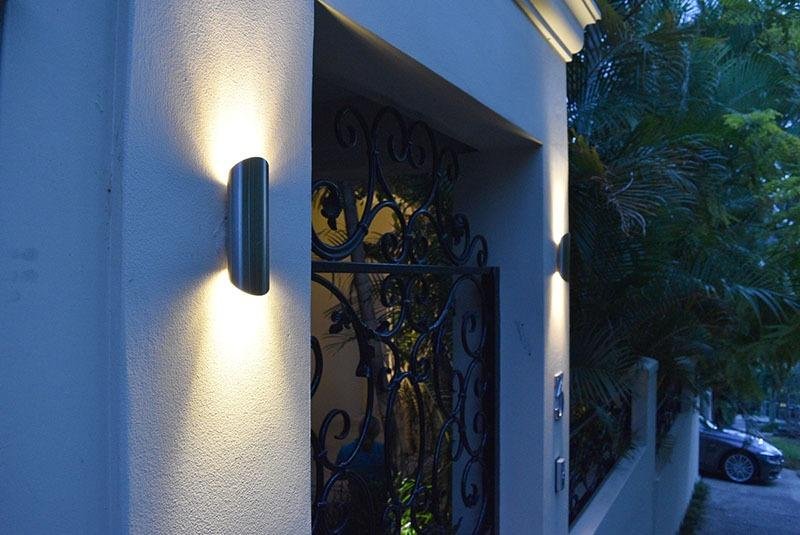
Where External Wall Lights Work Best Around a House?
Proper placement of external wall lights significantly improves residential outdoor lighting design.
Front Entrance
Lighting at the front door improves visibility and highlights architectural details.
Wall lights are typically installed on both sides of the entrance.
Garage Area
Garage lighting increases security and visibility for vehicles.
Wall lights near the garage door illuminate driveways and reduce dark corners.
Patio or Deck
Outdoor seating areas benefit from softer lighting.
Wall-mounted fixtures create comfortable lighting for evening gatherings.
Garden Walls and Pathways
Low wall lights along garden borders help connect pathways with surrounding landscaping.
Outdoor Seating Areas
Wall lighting near fire pits or outdoor lounges creates a relaxing nighttime atmosphere.
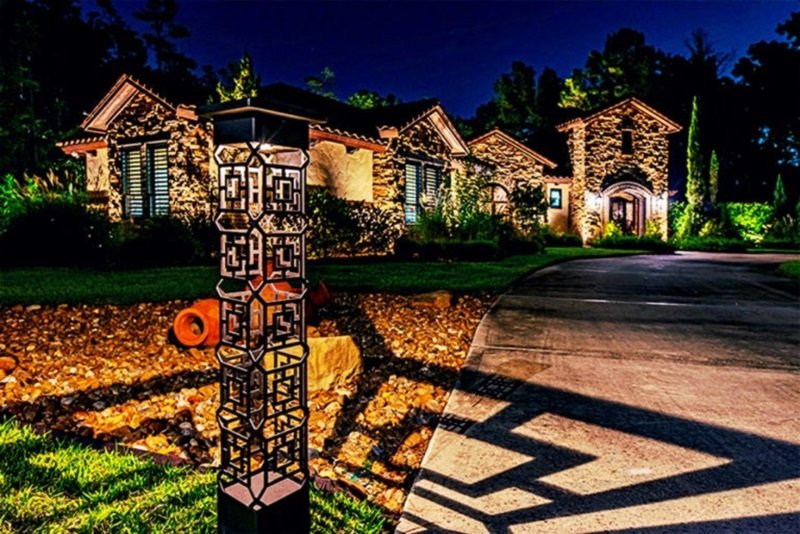
Sample Outdoor Lighting Plan For an Average Home
Residential outdoor lighting design distributes light across multiple zones rather than relying on a single fixture.
| Area | Lighting Type | Purpose |
|---|---|---|
| Front entrance | External wall lights | Visibility and curb appeal |
| Walkways | Path lights | Safe navigation |
| Trees | Spotlights | Landscape accents |
| Driveway | Flood lights | Security lighting |
| Patio | Wall lights / downlighting | Comfortable ambient lighting |
| Garden features | Accent spotlights | Decorative highlight |
This stratified solution makes the yard look well-balanced, rather than too bright in some areas and too dark in others.
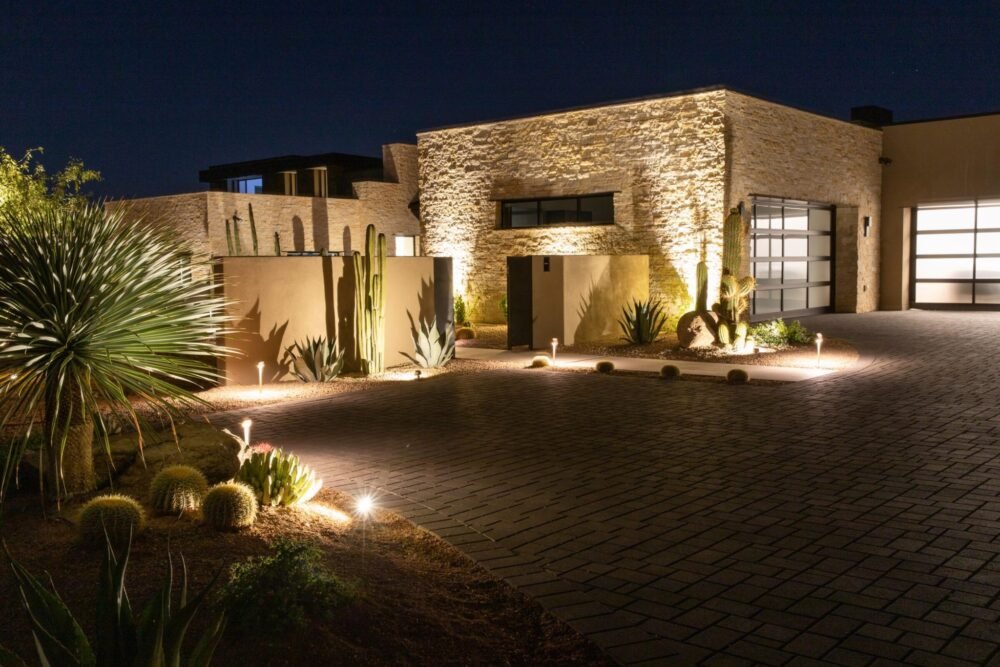
Landscape Lighting Systems: Price, Lifetime, and Maintenance
Understanding cost and maintenance helps homeowners plan outdoor lighting projects effectively.
Average Installation Cost
The cost of landscape lighting systems depends on:
• Number of fixtures
• Wiring and transformers
• Fixture quality
• Professional vs DIY installation
DIY vs Professional Installation
| Installation Type | Cost Range | Benefits |
|---|---|---|
| DIY Installation | $300 – $1,500 | Lower upfront cost |
| Professional Installation | $2,000 – $6,000+ | Professional layout and installation |
Lifetime of LED Outdoor Lights
Most LED outdoor lights last 30,000–50,000 hours.
With average nightly use of 5 hours, this equals 10–20 years of lifespan.
Minimal Maintenance Needs
Outdoor lighting systems require minimal maintenance.
Occasionally you should:
• Clean fixtures
• Trim plants blocking light
• Check wiring
• Replace damaged lights
What Landscape Lighting Designers Consider Before Planning?
Experienced landscape lighting designers rarely begin by installing fixtures immediately.
Instead, they evaluate several factors.
Property Layout
Tree placement, pathways, and architecture influence lighting design.
Climate and Weather
Outdoor fixtures must withstand rain, heat, and temperature changes.
Lighting Purpose
Security lighting and decorative lighting serve different purposes.
Energy Efficiency
LED fixtures combined with timers or smart controls reduce electricity costs.
Common Residential Outdoor Lighting Design Issues
Several lighting projects fail due to preventable mistakes.
Overlighting the Yard
Too much lighting can make a yard uncomfortable and waste energy.
Strategic lighting often produces better results than floodlighting everything.
Using Only One Fixture Type
Using only floodlights or path lights creates flat lighting.
Effective landscape lighting design uses multiple layers.
Ignoring Beam Angles and Spacing
Incorrect spacing can create glare or dark spots.
Proper beam selection is essential.
Cheap Fixtures That Fail Outdoors
Low-quality lighting fixtures often fail due to weather exposure.
Investing in durable outdoor fixtures improves long-term reliability.
Incorrect Path Light Placement
Path lights placed too close together create clutter.
Lights placed too far apart create unsafe dark areas.
FAQs
How Far Apart Should Landscape Path Lights Be?
Most designers recommend 6–8 feet spacing, depending on brightness.
Are LED Lights Better For Outdoor Lighting?
Yes. LED lights use less energy and last significantly longer than traditional bulbs.
Can I Design Landscape Lighting Myself?
Small projects can be designed by homeowners. Larger projects often benefit from professional landscape lighting designers.
What Colour Temperature Is Best For Outdoor Lighting?
Most homes use 2700K–3000K warm white lighting for a welcoming outdoor environment.
How Many Lumens Do I Need for Landscape Lighting?
Path lighting usually needs 100–200 lumens, while security lighting may require 700–1300 lumens or more.
Is Low Voltage Lighting Better for Outdoor Lighting?
Yes. Low-voltage systems are safer, energy efficient, and widely used in residential outdoor lighting design.
Conclusion
Most great outdoor lighting systems begin with careful planning.
Instead of filling the yard with fixtures, effective residential outdoor lighting design focuses on balance, placement, and purpose.
Start by lighting practical areas like pathways, entrances, and steps. Then highlight architectural details or landscape features.
When planned properly, outdoor lighting improves safety, enhances curb appeal, and allows homeowners to enjoy their outdoor spaces long after sunset.