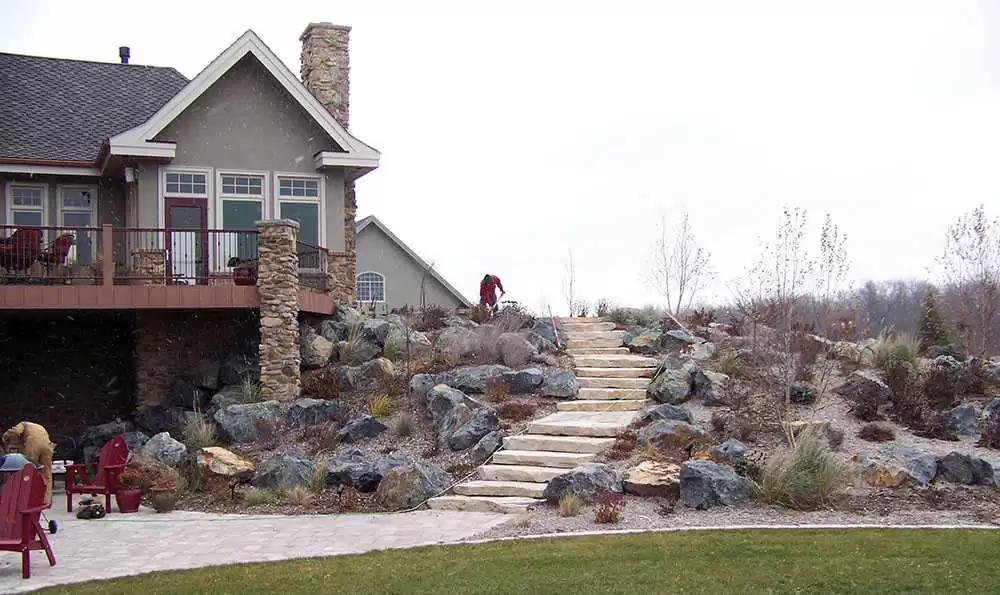
Choosing ground cover sounds simple. Until you’re standing in your yard staring at bare soil, patchy grass, or weeds that refuse to quit.
That’s usually when people start looking at large landscape rocks. They look clean, structured, and low maintenance — but they’re not always the right choice.
If you’re trying to figure out the cost of landscaping rocks, which types of landscaping stone make sense, or whether decomposed granite landscape options are actually worth it, this guide will walk you through it in plain language. No fluff. Just what matters before you spend money.
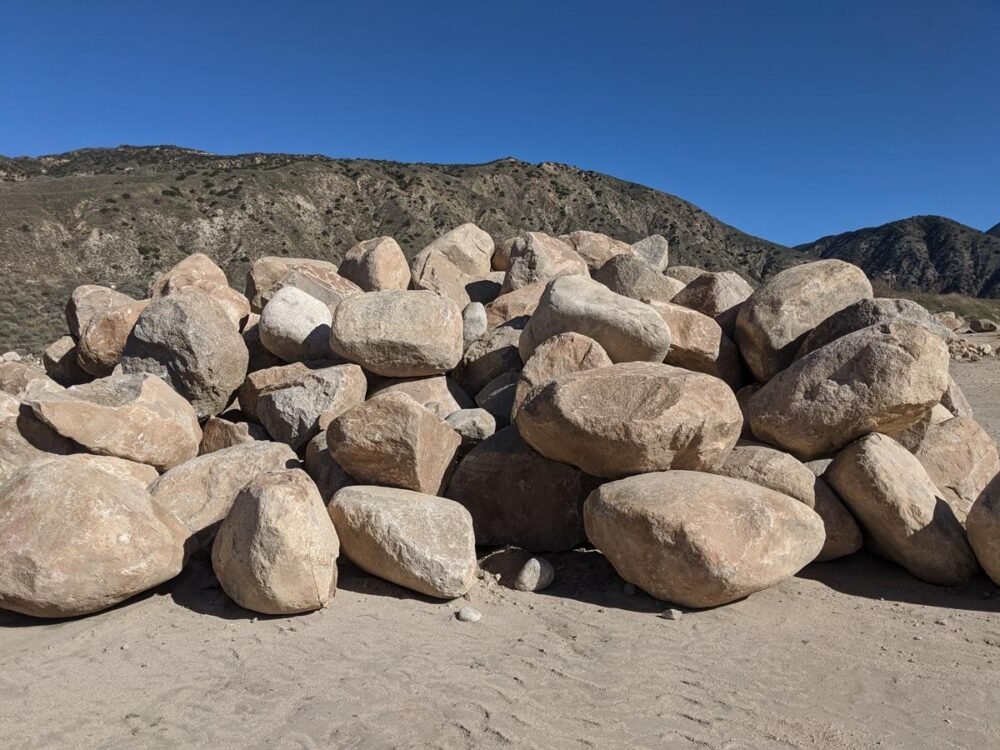
Table of Contents
Quick Answer
- Want long-term, low maintenance?Large landscape rocks are usually worth it.
- Need erosion control or slope stability? Riprap or boulders work best.
- On a tight budget? Decomposed granite can be a smart option if installed properly.
- Do kids play barefoot or live in extreme heat? Think twice.
We have seen homeowners spend thousands on stone only to realise later it didn’t solve the problem they were trying to fix. Our approach is always the same: understand the yard conditions first, then choose the material. Now, let’s break it down in detail.
Contact Us for a Project Consultation
Why pay more? At George Living, we cut out the middlemen to bring you premium furniture, flooring, doors, windows,marble and tiles and more—all at prices up to 40% below retail. With 20+ years of experience and 600 consultants, we provide complete, custom project solutions, from initial design to final delivery.
How Much Do Large Landscape Rocks Really Cost?
Let’s start with what most homeowners want to know — the cost.
The average cost to install landscaping rocks ranges from $250 to $2,500 nationwide., with $600 being the average spend of most homeowners on a small project.
Smaller patio spaces may cost as little as 120 dollars, while larger decorative spaces with high-quality stones may cost up to 4,000 dollars.
Landscaping Rock Prices by Volume
And here is where it becomes more specific:
- Per ton: $25 to $900 depending on stone type
- Per cubic yard: $122 to $800
- Per square foot: $1.24 to $8.64
One cubic yard of area is approximately 100 square feet at 3 inches. And depth matters more than most people expect. Underestimating depth is one of the fastest ways to overspend later.
Labor and Installation Costs
The large landscape rock installation cost is usually $50 to $100 per hour. A simple 20-foot dry river bed may cost around $150 in labour. Delivery can add another $200 to $400.
Here’s something people don’t realise. Materials usually make up about 80 per cent of the project cost. Labour is often only about 20 per cent. So chasing the cheapest installer doesn’t save as much as choosing the right stone.
If you’re replacing existing stones in yard areas, removal costs matter too. The cost of clearing a gravel patio may be as high as 450 and removing a single boulder may be about 150.
Cost Snapshot by Type
Type of Landscaping Stone | Cost Per Ton | Best For | Budget Level |
Decomposed Granite | $25 – $50 | Patios, walkways | Low |
Riprap | $60 – $85 | Slopes, erosion | Moderate |
River Rocks | $80 – $280 | Drainage, decorative beds | Moderate |
Landscape Boulders | $100 – $200 | Accent features | Moderate |
Mexican Beach Pebbles | $800 – $900 | Premium designs | High |
Contact Us for a Project Consultation
Why pay more? At George Living, we cut out the middlemen to bring you premium furniture, flooring, doors, windows,marble and tiles and more—all at prices up to 40% below retail. With 20+ years of experience and 600 consultants, we provide complete, custom project solutions, from initial design to final delivery.
Buying in bulk directly from local suppliers usually lowers landscaping rock prices. Pallet or truckload purchases are almost always cheaper than small bag purchases from big-box stores.
From our experience, most cost overruns stem from underestimated depth, skipped base layers, or delivery fees that weren’t factored in. The stone itself is only part of the decision; installation details matter just as much.
Which Type of Large Landscape Rock Makes the Most Sense?
Not all large landscape rocks are decorative. Some are purely functional.
For Statement and Curb Appeal: Landscape Boulders
The boulders used in landscape begin at approximately 100 per ton. They’re typically over 10 inches and sometimes much larger. Some you can move by hand. Others need machinery. They’re perfect for:
- Front yard focal points
- Water features
- Retaining wall accents
- Dividing garden zones
I have even witnessed how one properly placed boulder could entirely transform the sensation of a yard. It may sound dramatic, but it’s true.
For Drainage and Dry River Beds: River Rocks
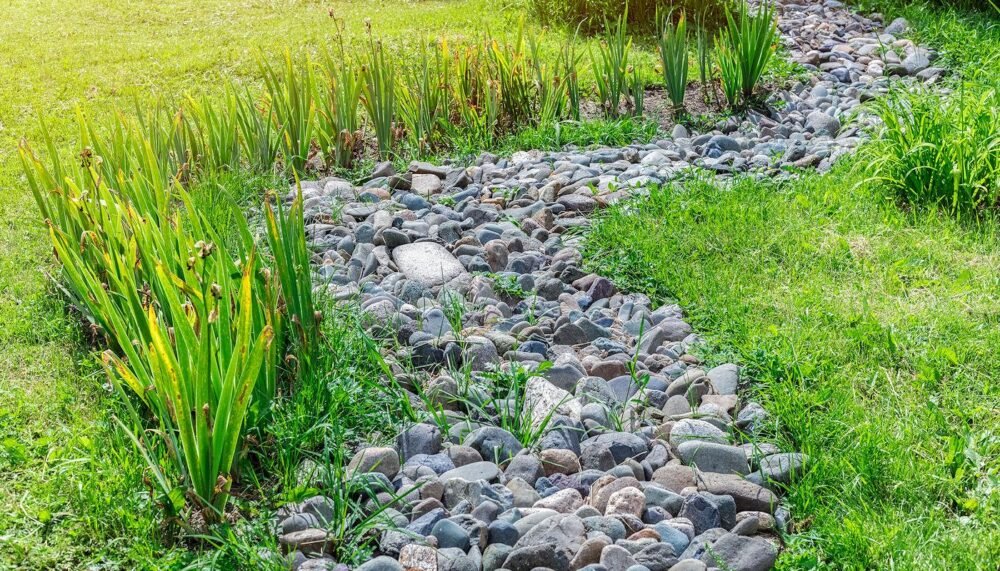
River rocks cost between $80 and $280 per ton. They’re smooth and rounded, pulled from river beds. White river stones are especially popular around pools or modern homes. They reflect light and make greenery pop. They’re great for:
- Dry creek beds
- Water redirection
- Garden borders
- Stone mulch around plants
Large river rocks can last 15 years or more without needing replacement. Certain ones can last 15 years or more without replacement.
Contact Us for a Project Consultation
Why pay more? At George Living, we cut out the middlemen to bring you premium furniture, flooring, doors, windows,marble and tiles and more—all at prices up to 40% below retail. With 20+ years of experience and 600 consultants, we provide complete, custom project solutions, from initial design to final delivery.
For Slopes and Erosion: Riprap
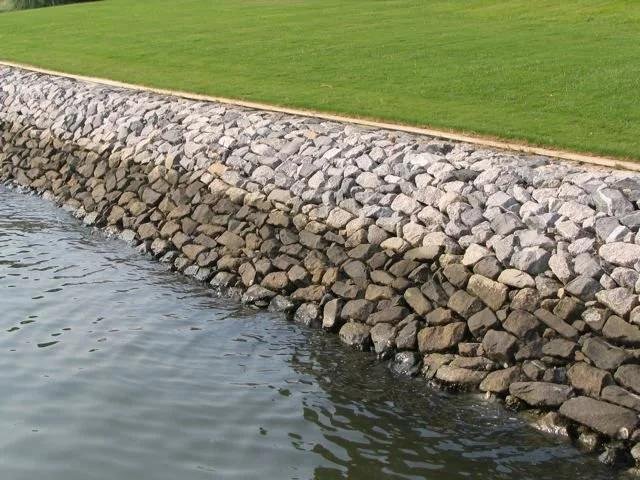
Riprap costs $60 to $85 per ton. It’s less decorative and more rugged. If you have runoff problems or soil erosion, this is the practical solution. It’s not glamorous, but it’s extremely effective.
For Budget-Conscious Yards: Decomposed Granite Landscape
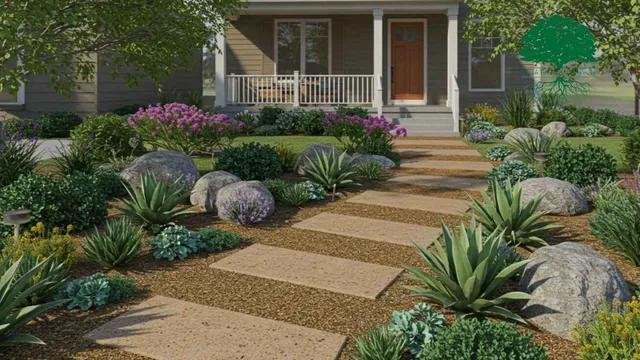
This one gets talked about a lot. Decomposed granite runs between $25 and $50 per ton. It’s one of the cheapest options in terms of the cost of large landscaping rocks.
Many homeowners choose it because it looks clean and is affordable. I’ve seen people switch from patchy grass to decomposed granite and instantly reduce maintenance.
But here’s the honest part.
It must be compacted properly. If not, it shifts. It spreads. It can look uneven after heavy rain. Edging is critical. Without edging, it slowly creeps into other areas.
If installed correctly, decomposed granite landscape setups can work beautifully for patios, walkways, and backyard sitting areas. If rushed, they become messy fast. It isn’t maintenance-free, but when installed properly, it requires very little upkeep.
Before we move ahead, do you want to know the best place to buy all these rock types shared above? George Living is your answer. Check out the George stone and marble collection for more details.
Contact Us for a Project Consultation
Why pay more? At George Living, we cut out the middlemen to bring you premium furniture, flooring, doors, windows,marble and tiles and more—all at prices up to 40% below retail. With 20+ years of experience and 600 consultants, we provide complete, custom project solutions, from initial design to final delivery.
Large Landscape Rocks vs Mulch: Which Is Smarter Long Term?
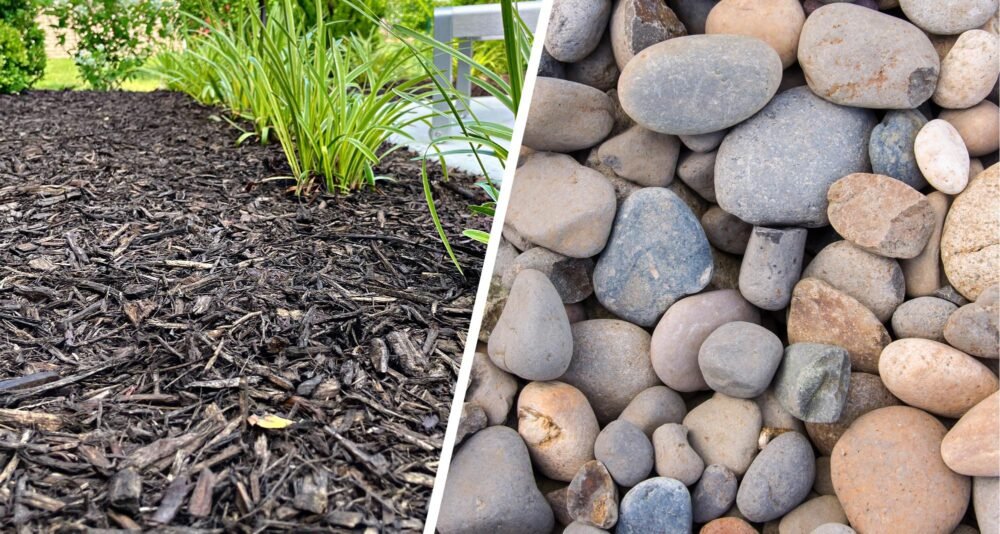
This question comes up a lot. Especially when someone is redoing flower beds and trying to choose between bark mulch and stone. Here’s the honest breakdown.
Factor | Large Landscape Rocks | Mulch |
Upfront Cost | Higher | Lower |
Lifespan | 10–15+ years | 1–2 years |
Maintenance | Very low | Needs topping up yearly |
Weed Control | Good with fabric | Good, but breaks down |
Heat Retention | High | Lower |
Soil Enrichment | None | Improves soil over time |
Rocks offer better long-term durability, while mulch improves soil health over time.
Large landscape rocks make more sense if you want something you can install once and largely forget about. Mulch has not been completely forgotten, even if you want to enrich planting beds and keep the roots cool.
Many of the homeowners actually combine the two. Stone to border and drainage systems. Mulch around plants. There is no single perfect answer. It all depends on what you are solving.
Contact Us for a Project Consultation
Why pay more? At George Living, we cut out the middlemen to bring you premium furniture, flooring, doors, windows,marble and tiles and more—all at prices up to 40% below retail. With 20+ years of experience and 600 consultants, we provide complete, custom project solutions, from initial design to final delivery.
When Large Landscape Rocks Are a Bad Idea?
This is where most articles stay quiet. But you need to know the downsides.
Extreme Heat
Rocks absorb heat. In humid climates, they can raise the surrounding environment’s temperature. I’ve walked barefoot across decorative stones in July. Never again. If you live somewhere hot, keep stones away from play areas or patios without shade.
Poor Drainage Planning
People assume rocks automatically fix drainage. They don’t. Water may still accumulate under the surface unless it is graded and has a base layer. Landscape fabric can solve the weed problem, though not the slope problems.
Proper grading matters more than people think. The EPA’s stormwater resources explain how runoff actually behaves around homes and why surface materials alone don’t solve drainage problems.
Difficult to Remove Later
Once you install large or extra-large landscape rocks, changing your mind isn’t easy. Removing stones in yard spaces costs money. As stated above, the cost of removing gravel patios may be approximately 450 dollars. You will need to consider that if you redesign within 2 years.
Weed Fabric Mistakes
A point often mentioned in homeowner discussions is fabric choice. Cheap fabric tears. Once weeds grow through rocks, pulling them is frustrating. If you’re installing rocks, use heavy-duty commercial-grade fabric. It costs more upfront but saves headaches.
What We Consider Before Recommending Large Landscape Rocks?
With time, we have observed a few patterns.
- Climate is greater than it looks. In dry regions, stone works beautifully. In constantly damp areas, moss can build up on certain types of landscaping stone.
- Slope On flat surfaces, almost any stone works. On slopes, size and weight become critical.
- Maintenance expectations matter. Some people say they want low maintenance but still expect a spotless look year-round. Even rocks collect leaves and debris.
- Budget versus longevity is another trade-off. The decomposed granite landscapesetups are the most affordable but need occasional topping up. The high-quality stones, such as Mexican beach pebbles, are a beautiful addition to the yard, yet they are very expensive, costing up to 900 US dollars per ton.
In most cases, it’s not just about appearance.
Common Mistakes in Installing Large Landscaping Rocks
Let’s talk about real mistakes which people make during large landscaping rock installation:
Choosing the Wrong Size
Small gravel shifts easily. Large boulders are stable but hard to reposition. Match stone size to purpose.
Skipping a Base Layer
A compacted base prevents sinking. Without it, stones settle unevenly over time.
Ignoring Depth
Three inches is common for coverage. Go thinner, and weeds sneak through. Go thick, and you waste money.
Buying Bagged Stone for Large Areas
Bagged stone is convenient but expensive. If covering more than 100 square feet, buying by the cubic yard is almost always cheaper.
Not Comparing Landscape Rock Sellers
Most people in their homes turn to a large hardware shop by default. Local quarries or landscape supply yards tend to offer landscape rocks at lower prices, offer bulk discounts, and can deliver. Always, search and compare before you decide where to buy stones.
Contact Us for a Project Consultation
Why pay more? At George Living, we cut out the middlemen to bring you premium furniture, flooring, doors, windows,marble and tiles and more—all at prices up to 40% below retail. With 20+ years of experience and 600 consultants, we provide complete, custom project solutions, from initial design to final delivery.
Should I DIY or Hire a Pro?
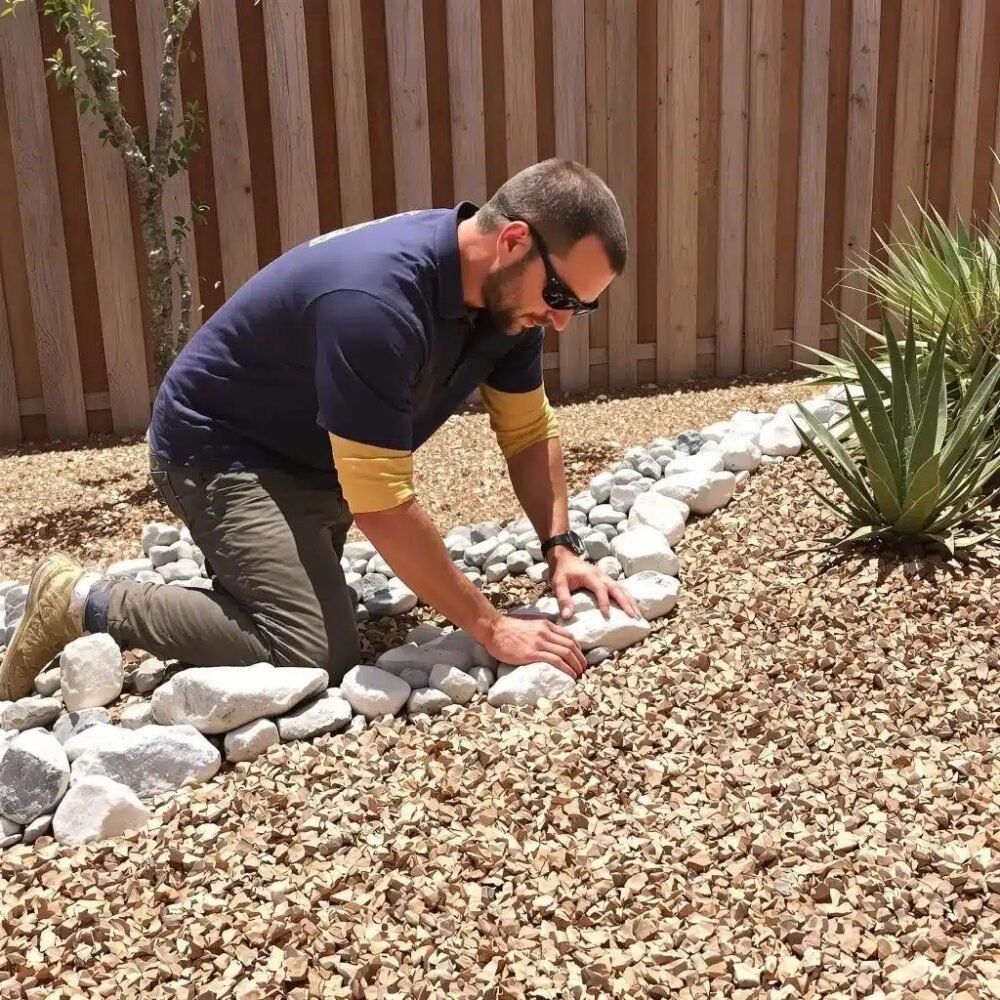
For small projects like garden borders or accent areas, DIY works fine. You’ll save on the large landscape rock installation cost, which typically runs $50 to $100 per hour.
But for:
- Large boulders
- Drainage systems
- Sloped yards
- Retaining wall integration
Professional help is worth considering.
Equipment rental alone can eat into DIY savings. And improperly installed rock can cause drainage issues that cost more later.
FAQs
What Type of Rock is Best for Landscaping?
River rock and granite are top choices for their durability, low maintenance, and natural ability to manage drainage. They offer a timeless, clean look that blends seamlessly into any garden style.
What are Big Rocks Called?
Large rocks used in landscaping are generally called boulders or, when smaller, accent rocks or riprap. They are perfect for creating natural focal points or adding structural depth to a design.
How to Use Large Rocks in Landscaping?
Place them as striking, solitary focal points in garden beds, or bury them partially for a natural “outcropping” effect. They work wonders when anchoring a waterfall, building dry creek beds, or anchoring slopes.
What is the Cheapest Rock For Landscaping?
Crushed gravel, pea gravel, and recycled concrete are usually the most budget-friendly, highly functional options. They are ideal for covering large areas, providing great drainage without breaking the bank.
Final Words
Large landscape rocks aren’t the cheapest option upfront. What they offer instead is durability and very little ongoing maintenance. For yards dealing with erosion, patchy grass, or constant upkeep, that trade-off often makes sense.
But be careful during selection. Consider your soil, climate, and space use, not just looks. Done right, large landscape rocks do more than decorate. They solve problems. And that’s what makes them worth considering in 2026.
Contact Us for a Project Consultation
Why pay more? At George Living, we cut out the middlemen to bring you premium furniture, flooring, doors, windows,marble and tiles and more—all at prices up to 40% below retail. With 20+ years of experience and 600 consultants, we provide complete, custom project solutions, from initial design to final delivery.