Choosing the wrong bookshelf depth can quickly turn a beautiful shelf into an impractical piece of furniture. If shelves are too shallow, books stick out awkwardly. If they are too deep, valuable space gets wasted and items get lost at the back.
For homeowners, designers, and project buyers, bookshelf depth directly affects storage efficiency, room layout, and visual balance.
This guide explains standard bookshelf depth, shelf spacing, and when to choose narrow or deep shelves, helping you design or purchase a bookshelf that actually works for your space.
Table of Contents
Quick Answer: What Is the Standard Bookshelf Depth?
Most residential bookshelves use a standard bookshelf depth between 10 and 12 inches (25–30 cm).
This range fits most book types including paperbacks and standard hardcovers while maintaining a balanced visual proportion.
Typical depth recommendations:
| Use Case | Recommended Depth |
|---|---|
| Paperbacks & novels | 8–10 inches |
| Standard hardcover books | 10–12 inches |
| Large art books | 12–14 inches |
| Binders or archives | 15–18 inches |
| Decorative displays | 12–16 inches |
Choosing the right shelf depth depends mainly on what you plan to store and how much space the room allows.
Understanding Bookshelf Depth: Internal vs External Measurements
Before choosing a bookshelf, it’s important to understand how shelf depth is measured.
Internal shelf depth
Internal depth refers to the actual usable storage space from the front of the shelf to the back panel.
This measurement determines whether books or objects will fit comfortably.
External bookshelf depth
External depth includes:
frame thickness
back panel
decorative edges
cabinet doors if present
For example:
A bookshelf listed as 12 inches deep externally may only provide about 10.5–11 inches of usable shelf space.
This difference is especially important when storing:
large art books
binders
storage boxes
Professionals typically focus on usable shelf depth rather than total cabinet depth when designing shelving systems.
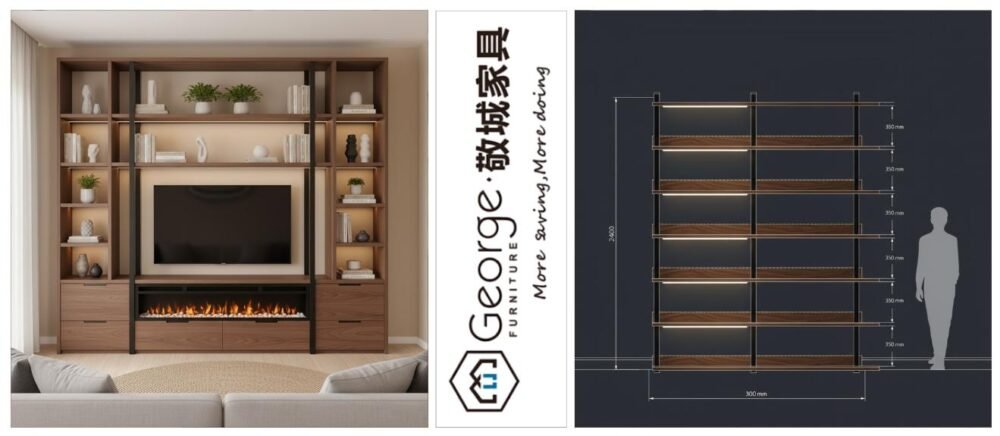
Standard Bookshelf Depth in Inches and CM
Below are the most common bookshelf depths used in residential and commercial furniture.
| Bookshelf Type | Depth (Inches) | Depth (CM) | Best For |
|---|---|---|---|
| Narrow depth bookshelf | 6–9 | 15–23 | Paperbacks, corridors |
| Average bookshelf depth | 10–12 | 25–30 | Most homes |
| Deep storage shelves | 12–15 | 30–38 | Large books |
| Office archive shelves | 15–18 | 38–46 | Binders & files |
| Multi-purpose cabinet shelves | 18–20 | 46–50 | Media units |
The average bookshelf depth used in most homes is about 11–12 inches.
This size balances storage capacity and room efficiency.
Narrow Depth Bookshelves: When Smaller Is Better
A narrow depth bookshelf (6–9 inches) is often the smartest option for compact spaces.
These slim shelves work well when the goal is visual lightness and efficient wall storage.
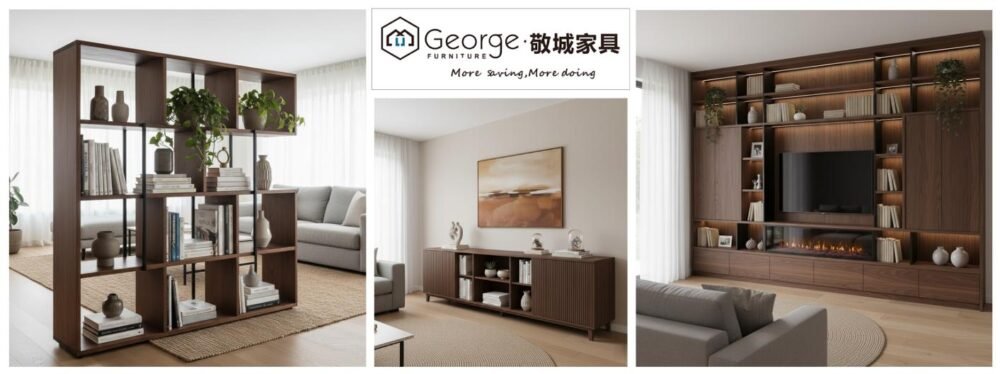
Common use cases include:
Hallways and entryways
Slim shelves allow book storage without blocking walking paths.
Under-stair storage
Custom narrow shelves maximize otherwise unused areas.
Paperback collections
Most paperbacks only require 7–8 inches of shelf depth, making deep shelves unnecessary.
Decorative wall displays
Slim shelves work well for:
framed photos
small sculptures
plants
However, narrow shelves have limitations.
They are not suitable for:
art books
binders
large hardcover collections
Shelf Height Between Shelves: The Other Key Dimension
Shelf depth works together with vertical spacing.
Even a perfectly sized shelf depth becomes inefficient if shelf height is wrong.
Standard bookshelf height between shelves
Typical spacing used in most bookshelves:
| Book Type | Shelf Height |
|---|---|
| Paperbacks | 9–10 inches |
| Hardcover books | 10–12 inches |
| Binders | 12–15 inches |
| Art books | 14–16 inches |
The rule professionals often follow:
Leave 1–2 inches of clearance above the tallest book.
This allows easy access and prevents books from scraping the shelf above.
Best Bookshelf Depth for Different Types of Books
Different book categories require different shelf dimensions.
Best bookshelf depth for paperbacks
Recommended depth: 8–10 inches
Advantages:
compact design
efficient use of space
works well in apartments and small homes
Best bookshelf depth for hardcover books
Recommended depth: 10–12 inches
This is the standard bookshelf depth used in most homes.
It comfortably fits:
novels
textbooks
biographies
Proper shelf depth plays a major role in overall living room storage solutions, especially when combining books with decorative elements.
Best shelf depth for art books and large volumes
Recommended depth: 12–14 inches
These shelves prevent large-format books from sticking out.
Best shelf depth for binders and office archives
Recommended depth: 15–18 inches
Office binders and archival materials often exceed normal book sizes.
Shallow shelves will cause them to protrude.
What We Consider When Designing Bookshelves for Clients
When designing custom shelving for residential or commercial projects, depth decisions rarely rely on book sizes alone.
Several practical factors influence the final dimensions.
Room circulation
In narrow rooms, shelves deeper than 12 inches can feel intrusive.
Wall proportions
Large rooms benefit from deeper shelving that adds visual weight.
Shelf stability
Very tall shelves with shallow depth require wall anchoring to remain stable.
Mixed storage needs
Many homeowners want shelves for both:
books
décor objects
In those cases, adjustable shelving becomes essential.
At George Living, many custom bookshelf projects are designed with adjustable shelves so users can adapt spacing and depth for different uses over time.
This approach is especially useful for villas, offices, and hospitality projects where storage needs evolve.
Common Mistakes When Choosing Bookshelf Depth
Choosing shelves that are too deep
Deep shelves can lead to:
wasted space
hidden items
visual clutter
In most homes, anything deeper than 14 inches is rarely necessary.
Ignoring shelf clearance
If the shelf height is too tight, books become difficult to remove.
Even half an inch can make a difference in daily use.
Not considering room size
Large cabinets in small rooms quickly dominate the space.
Slim shelves often create a more balanced interior.
Forgetting wall anchoring
Tall shelves with narrow depth may tip if not secured.
This is particularly important in homes with children.
When Custom Bookshelf Depth Makes Sense
Standard shelving works for many homes, but custom depth becomes useful when dealing with:
irregular wall niches
under-stair areas
built-in library walls
commercial interiors
Custom shelving also allows designers to match shelf proportions with:
ceiling height
architectural style
furniture layout
For example, large villas and hotel libraries often use deeper shelves combined with taller vertical spacing to create a more architectural presence.
Manufacturers like George Living, which specialize in project furniture and built-in solutions, often adjust shelf depth to suit both aesthetics and storage needs rather than relying on standard retail dimensions.
FAQ
How deep should a bookshelf be?
Most bookshelves are 10–12 inches deep, which fits standard hardcover and paperback books comfortably.
What is the average bookshelf depth?
The average bookshelf depth used in residential furniture is about 11 inches (28 cm).
What is the best bookshelf depth for paperbacks?
Paperbacks typically fit well on shelves 8–10 inches deep.
What is the standard bookshelf height between shelves?
Most shelves are spaced 10–12 inches apart, allowing books to be removed easily.
Are deeper bookshelves better?
Not always. Excessively deep shelves waste space and make books harder to reach.
What is the best height for bookcases?
Most bookcases range between 60 and 84 inches tall, depending on ceiling height and storage needs.
Conclusion
The right bookshelf depth creates the balance between storage capacity and room efficiency.
For most homes:
10–12 inches is the ideal bookshelf depth
8–10 inches works well for paperbacks and narrow spaces
15 inches or more is best for archives and large volumes
Choosing the correct dimensions ensures your shelves remain practical, comfortable to use, and visually balanced within the room.
For homeowners, designers, and builders working on larger interior projects, custom shelving solutions can further optimize both storage and architectural design.