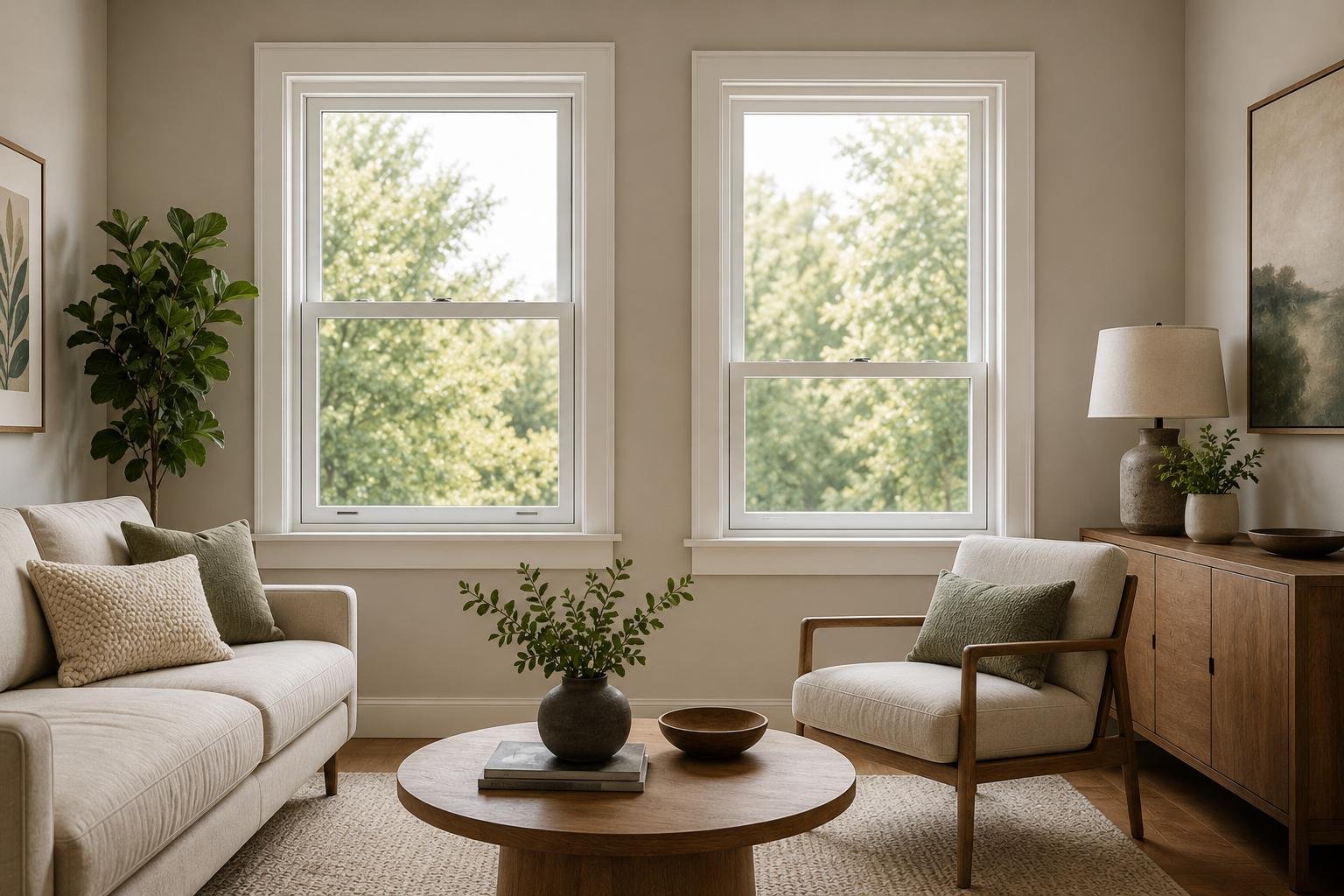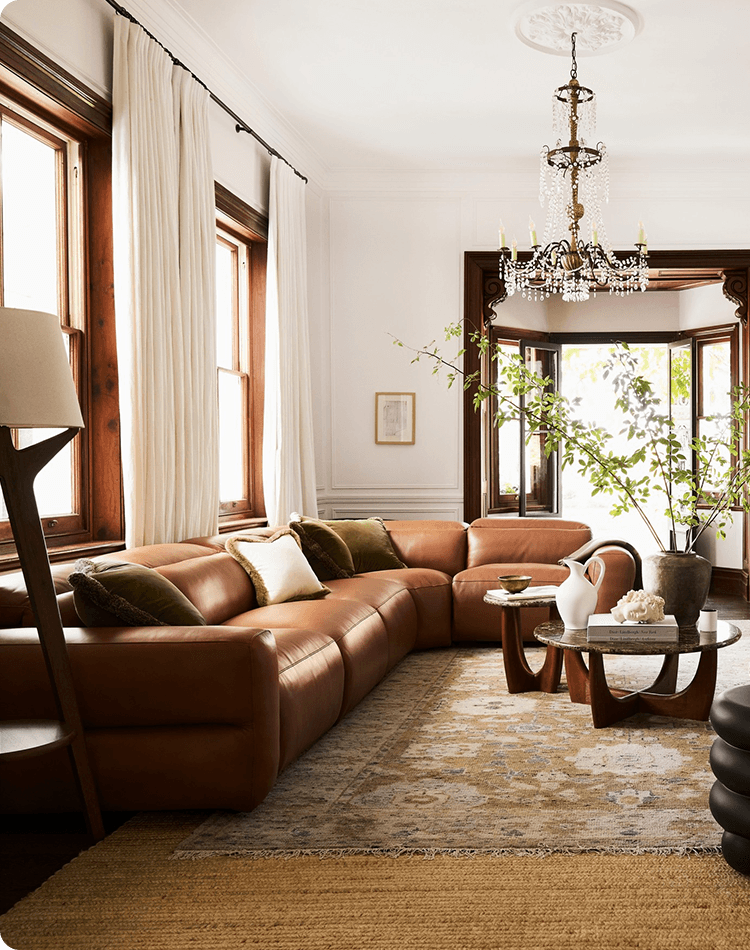
If you have ever walked into a modern office or a stylish living room and noticed a sleek cabinet sitting quietly against the wall, chances are you were looking at a credenza.
Many homeowners initially assume a credenza is simply another version of a sideboard. In reality, credenzas are far more versatile. Once you understand what they are and how they function, you will start noticing them everywhere—from corporate offices to contemporary homes.
Today, credenzas are considered one of the most flexible furniture pieces for both storage and interior design.
Table of Contents
What Is a Credenza? The Real Definition
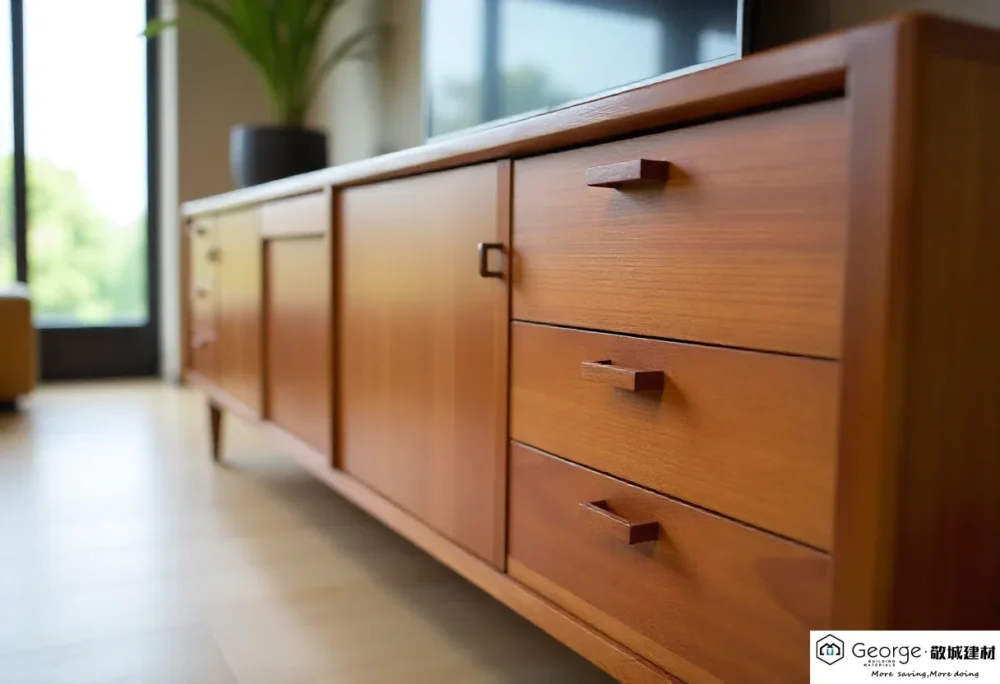
A credenza is a long, low cabinet designed for both storage and display.
Historically, the word comes from the Italian term credenza, which refers to a table where food was placed for tasting before serving royalty. Over time, the design evolved from dining furniture into a multifunctional cabinet used throughout modern interiors.
Today, a typical credenza usually has these characteristics:
Long horizontal design
Lower height than most cabinets
Doors, drawers, or both
Positioned against a wall
Designed to combine storage and visual appeal
Unlike traditional cabinets that focus purely on storage, credenzas are designed to contribute to the overall aesthetic of a room.
Typical Credenza Height and Depth
One reason credenzas look visually balanced is that their dimensions tend to follow consistent proportions.
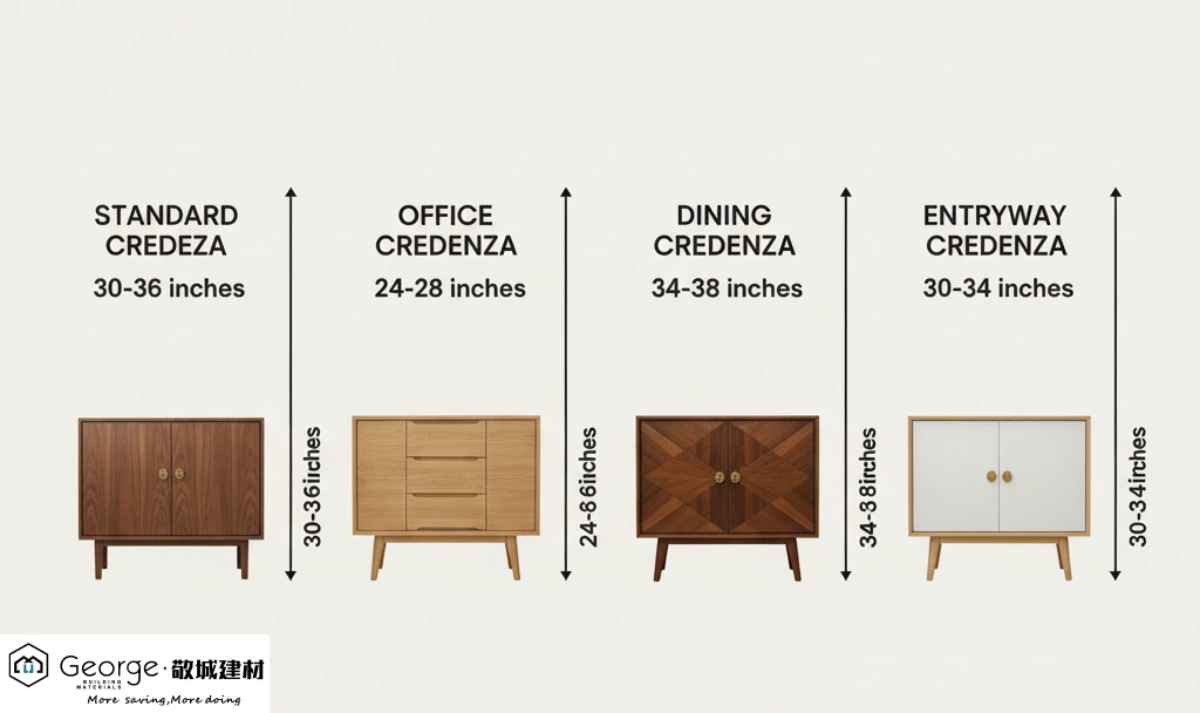
Typical Credenza Height
The typical credenza height generally ranges between:
28 – 36 inches (71 – 91 cm)
This height range is ideal because it allows the cabinet to function as a surface for decorative items while still remaining comfortable to access.
Common height variations
| Credenza Type | Typical Height | Best Use |
|---|---|---|
| Standard credenza | 30–32 inches | Living rooms and offices |
| Office credenza | 28–30 inches | Desk extensions or printer stations |
| Dining credenza | 32–36 inches | Serving and storage |
| Entryway credenza | 30–34 inches | Console-style display |
Most designers consider 30–32 inches the ideal height, since it maintains visual openness while remaining functional.
Typical Credenza Depth
The typical credenza depth ranges between:
18 – 24 inches (46 – 61 cm)
Depth determines what the cabinet can store. Shallower designs work well in hallways, while deeper models offer more internal storage.
| Depth | Ideal Use |
|---|---|
| 12–16 inches | Narrow spaces or hallways |
| 18–20 inches | Standard home storage |
| 20–24 inches | Office storage or media equipment |
Choosing the right depth is essential for balancing storage capacity and floor space efficiency.
Types of Credenzas You Should Know
Different interior layouts require different credenza styles. Understanding the most common types helps narrow down the right option.
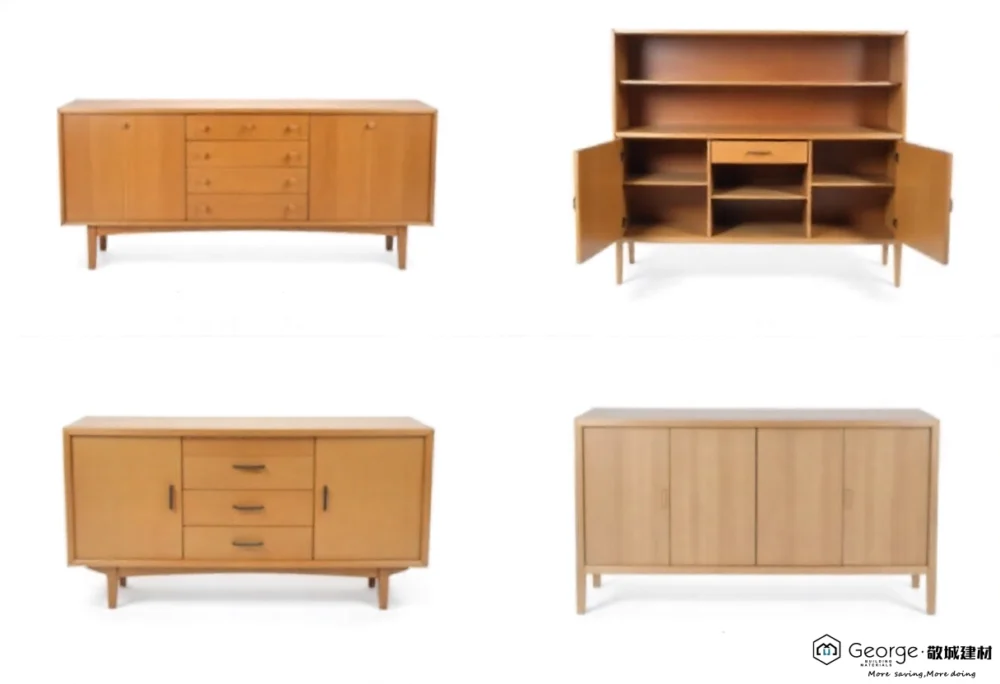
Long Narrow Credenza
A long narrow credenza is designed for spaces where width is available but depth is limited.
Typical dimensions include:
Length: 60–72 inches
Depth: 12–18 inches
These pieces work particularly well in:
small apartments
hallways
behind sofas
entryways
Because they provide storage without blocking movement through the room.
Credenza With Hutch
A credenza with hutch adds vertical storage above the base cabinet.
This configuration is commonly used in:
home offices
dining rooms
study rooms
The lower section provides hidden storage, while the upper hutch allows for displaying books, decorative objects, or collectibles.
Commercial Credenzas
Commercial credenzas are designed for professional environments and heavier daily use.
Common features include:
reinforced shelving
cable management systems
lockable drawers
larger storage compartments
These are often used in:
conference rooms
executive offices
reception areas
Because they provide practical storage for documents, printers, and office supplies.
Decorative Credenza
A decorative credenza prioritizes design and visual impact.
These models often feature:
unique finishes
premium wood materials
statement hardware
sculptural cabinet fronts
They are commonly placed in:
living rooms
dining areas
entryways
Where the furniture functions as both storage and a design focal point.
What Is a Credenza Used For?
One of the biggest advantages of credenzas is their flexibility.
They can adapt to multiple rooms and functions within the same home.
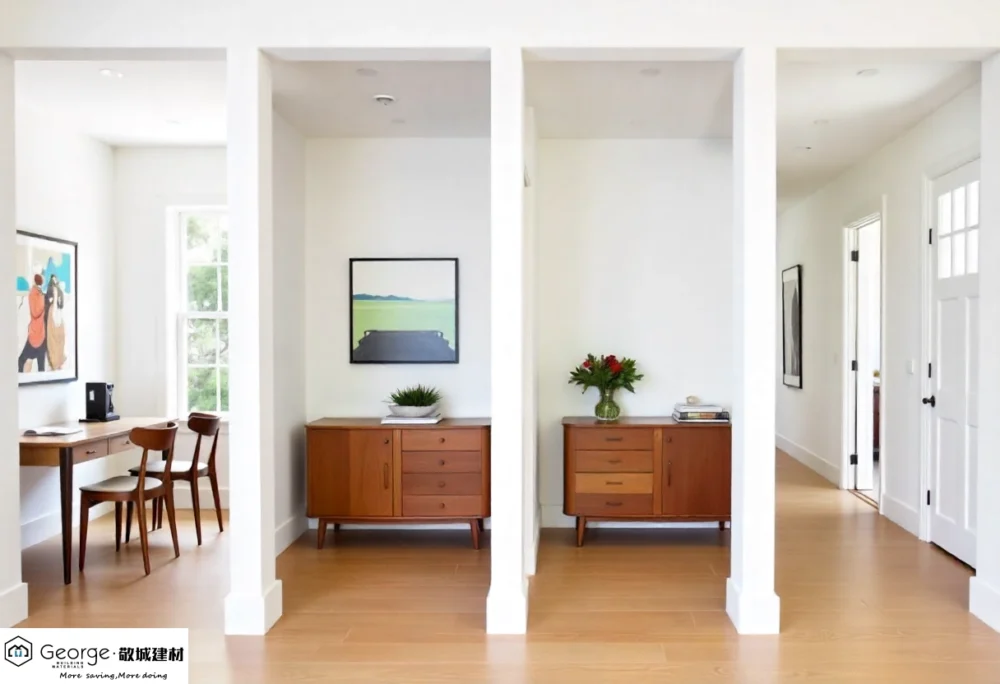
In the Office
A credenza can serve as:
document storage
printer stand
secondary desk surface
display space for awards or books
Many executive desks are actually paired with a matching credenza behind them.
In the Dining Room
Credenzas function similarly to buffets and sideboards by providing space for:
dishes and glassware
serving trays
wine or bar storage
decorative table settings
In the Living Room
Many homeowners now use credenzas as:
TV stands
media storage cabinets
decorative display surfaces
hidden toy storage for families
In the Entryway
In a foyer, a credenza can function as a stylish console alternative.
Common uses include:
key and mail storage
table lamp placement
decorative display
small accessory storage.
How to Style a Credenza Like a Designer
Styling the top of a credenza can transform it from simple storage into a statement piece.
Here are a few proven interior design techniques.
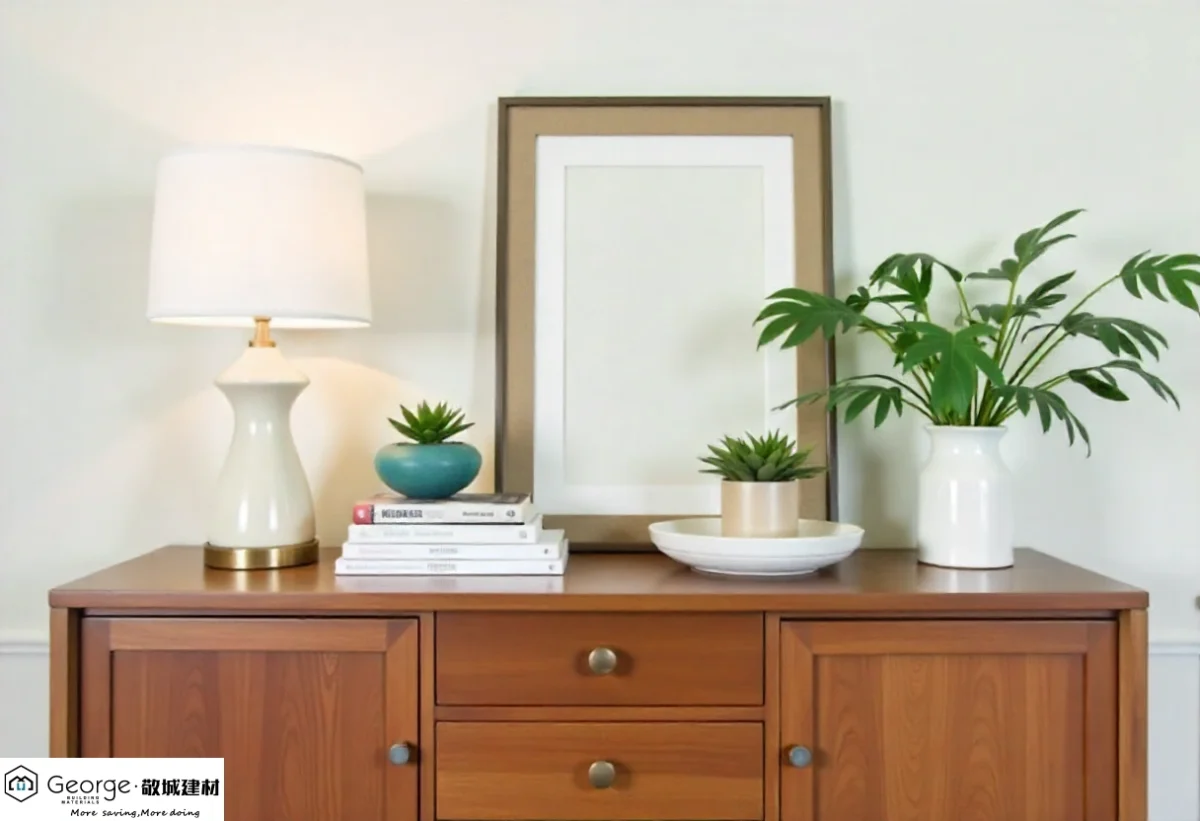
Use the Rule of Three
Group objects in sets of three to create a visually balanced composition.
Example arrangement:
one tall object (lamp or vase)
one medium object (books or plant)
one small decorative piece.
Layer Heights
Avoid placing everything at the same level.
Create visual interest using:
stacked books
framed artwork
varying decorative heights.
Leave Empty Space
A common mistake is filling every inch of the surface.
Leaving 30–40% empty space allows the display elements to stand out and prevents visual clutter.
How to Choose the Right Credenza (Decision Guide)
Understanding what a credenza is helps, but choosing the right one requires evaluating your space and needs.
Choose a Long Narrow Credenza for Small Spaces
If your room has limited walking space, a long narrow credenza is usually the best option.
These models maintain storage capacity while keeping the room visually open.
They work especially well in:
hallways
entryways
studio apartments.
Choose Commercial Credenzas for Workspaces
For offices or work environments, Commercial credenzas provide stronger construction and more practical storage.
They are ideal for storing:
files
office equipment
printers
work supplies.
Choose a Decorative Credenza for Interior Design
If the goal is visual impact, a decorative credenza can become the focal point of the room.
These designs often highlight:
premium materials
artistic finishes
unique hardware details.
Choose a Custom Credenza for Unique Spaces
Sometimes standard furniture sizes simply do not fit the space.
In these situations, a custom credenza allows homeowners to choose:
exact dimensions
materials
storage configuration
interior layout.
Many furniture manufacturers now offer full credenza collection lines that include both ready-made and customizable models, allowing homeowners to find solutions that match their interior layout more precisely.
Pros and Cons of Owning a Credenza
Pros
Highly versatile furniture piece
Works in multiple rooms
Stylish storage solution
Helps organize clutter
Enhances interior design
Cons
Requires wall space
Can be heavy to move
Larger models may be expensive
Not ideal for storing tall items.
Credenza Pricing Guide
Prices vary widely depending on materials and craftsmanship.
| Price Range | Typical Features |
|---|---|
| $200 – $500 | Basic materials and simple designs |
| $500 – $1,500 | Better finishes and solid wood options |
| $1,500 – $5,000+ | Premium craftsmanship and designer pieces |
Investing in higher-quality furniture often results in better durability and longer lifespan.
FAQ
What is the difference between a credenza and a sideboard?
Credenzas are typically shorter and sleeker, while sideboards are slightly taller and traditionally used in dining rooms.
Can a credenza be used as a TV stand?
Yes. Many credenzas work perfectly as TV stands as long as the width and weight capacity match the television.
What is the ideal credenza length?
Most homes benefit from credenzas between 60 and 72 inches long, which provide sufficient storage without overwhelming the space.
Are credenzas still popular?
Yes. Credenzas have experienced a strong comeback thanks to modern designs that combine storage, minimalism, and interior style.
Conclusion
Understanding what a credenza is reveals why it has become one of the most versatile furniture pieces in modern interiors.
From office storage to stylish living room cabinets, credenzas combine practicality with design. By considering the typical credenza height, depth, and intended use, homeowners can select a piece that enhances both function and aesthetics.
Whether you choose a compact hallway unit or a larger storage cabinet, the right credenza can bring organization, balance, and character to almost any space.