No — slate shower floor tiles cannot be permanently sealed.
Even the highest-quality penetrating sealers wear down over time due to water exposure, cleaning, and foot traffic. However, they can provide protection for several years before resealing is required.
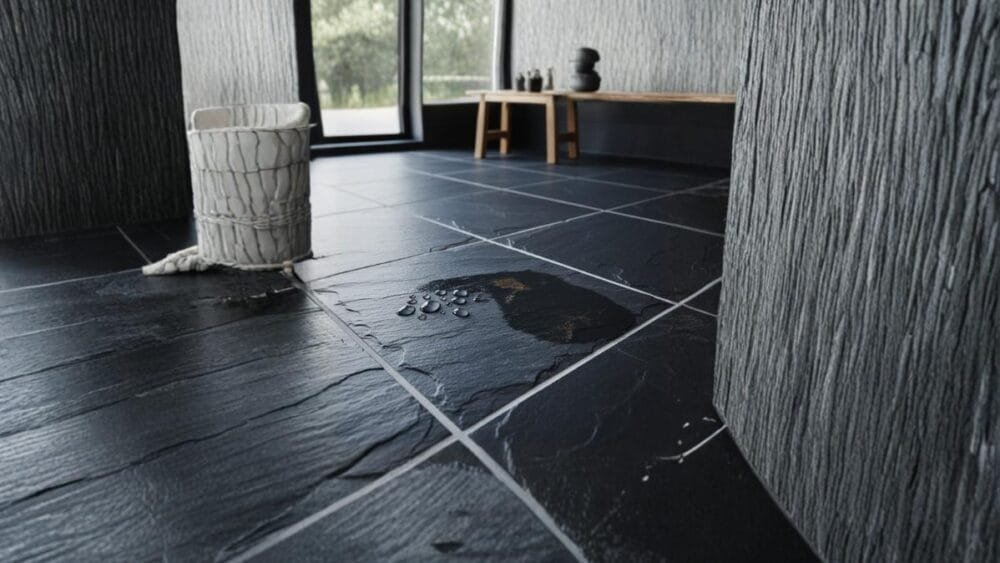
This guide explains why slate can’t be permanently sealed, which sealers last the longest, how to apply them correctly, and how often resealing is needed. It also includes practical insights drawn from real-world residential and commercial projects.
Table of Contents
1. Understanding the Characteristics of Slate Shower Tiles
Slate is a fine-grained metamorphic stone known for its natural cleavage and textured surface. These characteristics give it:
Strong mechanical durability
Natural slip resistance
A distinctive layered appearance
These qualities make slate a popular choice for shower floors. However, while slate is dense, it is not waterproof.
Why Slate Requires Sealing in Shower Environments
In a shower, slate is constantly exposed to:
Water and steam
Soap and shampoo residue
Hard water minerals
Cleaning chemicals
Because slate contains microscopic pores, moisture and contaminants can penetrate the surface over time. Without sealing, this may lead to:
Dark water stains
Efflorescence (white mineral deposits)
Mold development
Surface dullness
Sealing helps reduce water absorption and preserve both appearance and hygiene.
The Reality of “Permanent” Sealing
Many homeowners ask: Is there a permanent slate shower sealer?
Technically, no.
Even high-end penetrating sealers based on fluoropolymers or silane/siloxane resins degrade gradually due to:
Abrasion from foot traffic
Daily cleaning
Hot water exposure
Chemical interaction
Typical lifespan in residential showers: 1–3 years
High-traffic environments (hotels, rentals): 6–12 months
Regular inspection and resealing are essential for long-term performance.
Choosing the Right Slate Tile for Your Shower Project
Not all slate performs equally in wet areas.
When selecting slate shower floor tiles, consider:
Surface finish (natural cleft is best for slip resistance)
Stone density
Origin and mineral composition
Coefficient of Friction (COF rating)
Dense, high-grade slate reduces absorption and improves sealer longevity.
Slate vs. Other Natural Stones for Showers
Compared to marble or travertine, slate offers:
Greater slip resistance
Better tolerance to mild soap exposure
Higher structural durability in wet environments
However, like all natural stone, slate still requires sealing and maintenance.
If you want a completely maintenance-free shower floor, porcelain may be a better alternative.
Types of Sealers for Slate Shower Tiles
Selecting the right sealer is more important than choosing a brand.
Penetrating (Impregnating) Sealers – Recommended
This is the best option for slate shower floors.
Benefits:
Absorbs into stone pores
Does not create a slippery film
Preserves natural texture
Allows stone to breathe
Look for:
Silane/siloxane-based sealers
Fluoropolymer-enhanced formulas
These provide superior water and oil resistance.
Enhancing Sealers (Wet Look)
Enhancing sealers deepen slate’s color while offering penetrating protection.
Best for:
Dark slate
Multi-toned slate
Projects seeking a richer, “wet” appearance
Topical Sealers – Generally Not Recommended
Topical coatings create a surface film.
Risks include:
Slipperiness
Peeling or yellowing
Uneven wear
They are not ideal for natural cleft slate in showers.
How to Seal a Slate Shower Floor (Step-by-Step)
Correct application determines performance.
Step 1 – Deep Clean
Use a pH-neutral natural stone cleaner. Remove soap scum and mineral deposits.
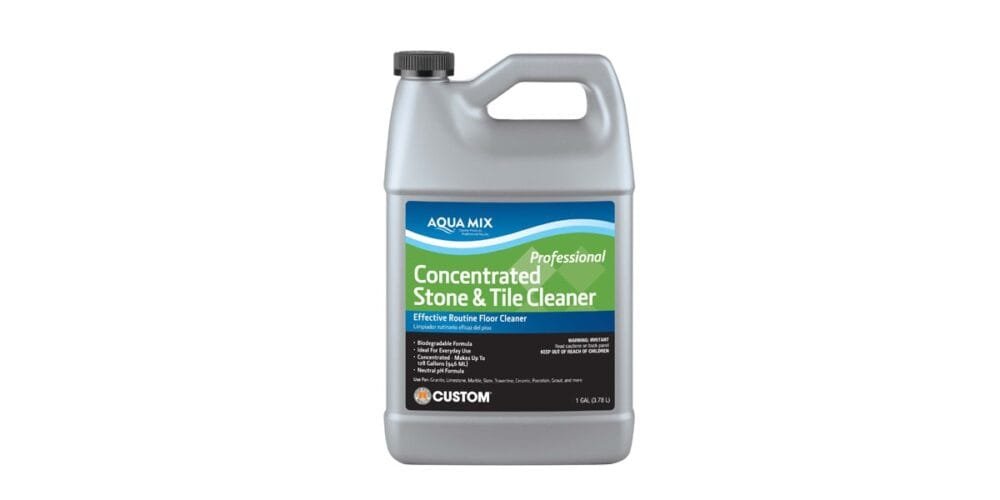
Use a pH-neutral stone cleaner. Avoid:
vinegar
bleach
acidic or alkaline cleaners
Rinse well and allow the slate to dry completely (usually 24–48 hours).
Step 2: Ensure the Tile and Grout Are Fully Cured
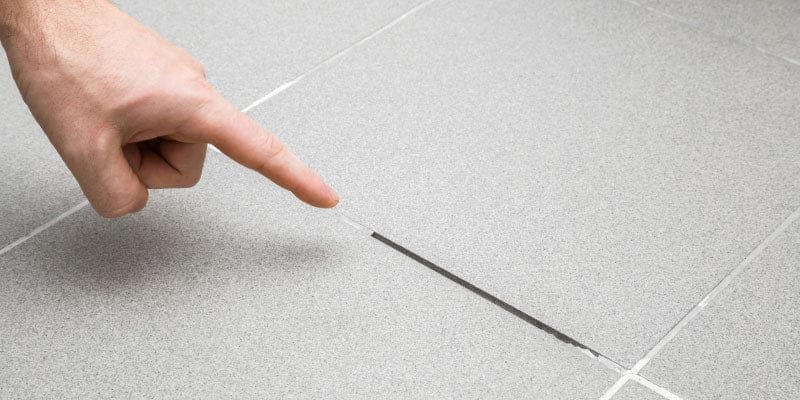
After installation or grouting, wait at least 72 hours before sealing. Moisture trapped beneath the sealer can cause cloudy patches or uneven absorption.
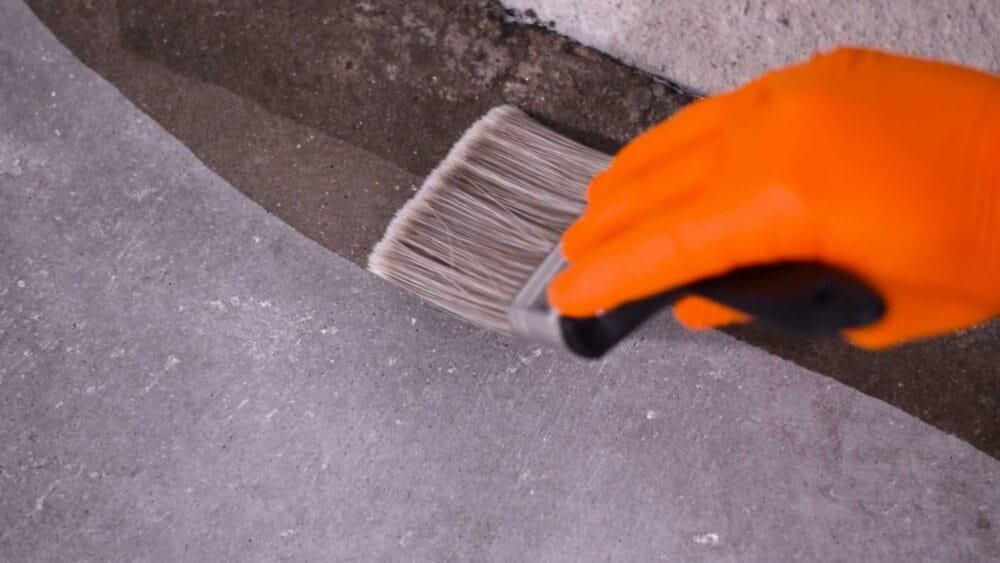
Step 3: Apply a Thin, Even Coat of Penetrating Sealer
Use a microfiber applicator, sponge, or lint-free cloth.
Key rule:
Do not let excess sealer dry on the surface.
Wipe off any residue within 5–10 minutes.
Step 3: Apply a Thin, Even Coat of Penetrating Sealer
Use a microfiber applicator, sponge, or lint-free cloth.
Key rule:
Do not let excess sealer dry on the surface.
Wipe off any residue within 5–10 minutes.
Step 4: Apply a Second Coat if Needed
Porous or heavily textured slate can benefit from a second application.
Step 5: Allow Full Cure Time
Most sealers require 24–72 hours before water exposure.
Even if the slate feels dry to the touch, the chemical curing is still ongoing.
How Often Should You Reseal Slate Shower Floors?
Resealing frequency depends on use:
| Environment | Resealing Frequency |
| Residential shower | Every 1–3 years |
| Hotels / spas / rental properties | Every 6–12 months |
| Low-use guest bathroom | Every 3–4 years |
How to know it’s time to reseal:
Water no longer beads on the surface
Slate appears dull or faded
Soap scum becomes harder to remove
Damp spots absorb quickly instead of staying on the surface
A simple “water drop test” every few months can help identify when resealing is needed.
Common Mistakes When Sealing Slate
Avoid these typical errors:
1. Using topical acrylic sealers
Causes slippery surfaces and peeling.
2. Not removing excess sealer
Dried residue becomes sticky, glossy, or patchy.
3. Sealing before the stone is fully dry
Leads to trapped moisture and uneven finish.
4. Cleaning with harsh chemicals
Strips sealer prematurely.
5. Neglecting regular maintenance
Slate doesn’t fail suddenly—problems accumulate when the sealer wears off unnoticed.
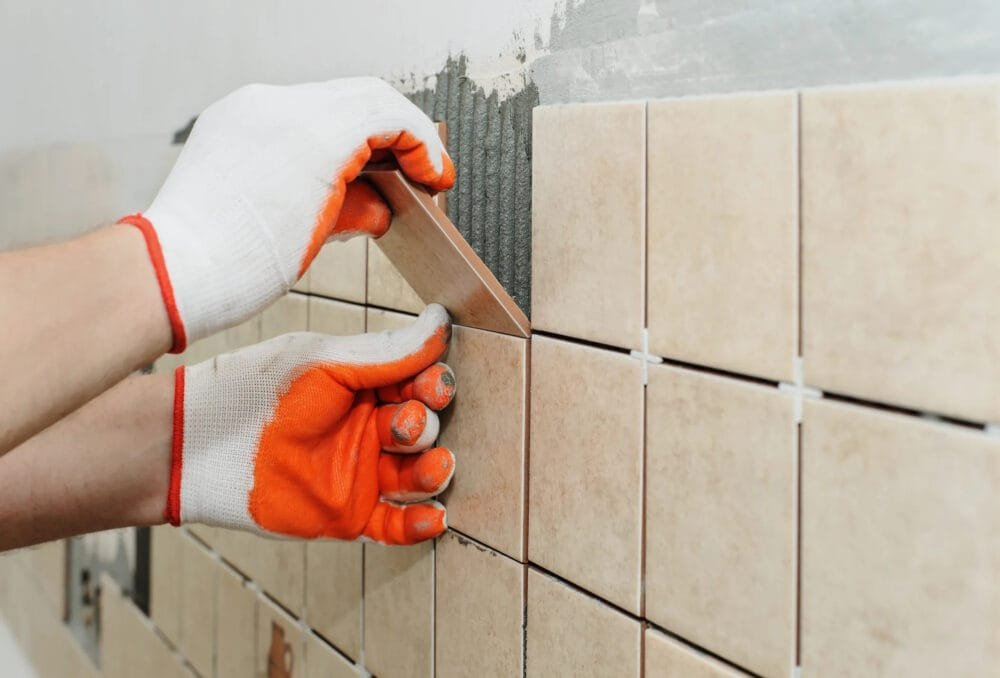
Choosing the Right Slate Tile for Shower Installations
Although sealing is important, the quality and type of slate you choose can affect durability just as much.
Factors to consider:
density (denser slate absorbs less moisture)
origin and mineral composition
surface finish (natural cleft provides best slip resistance)
coefficient of friction (COF) for wet areas
As a supplier of natural stone tiles for residential, commercial, and hospitality projects, George Living provides design and technical support to help specifiers choose the right slate type and finish for high-moisture installations like showers—without forcing a commercial tone.
Maintenance Tips for Slate Shower Floors
To extend the lifespan of your sealer:
Clean with pH-neutral stone cleaners only
Rinse after using body oils or heavy conditioners
Perform a beading test every few months
Avoid stiff brushes or abrasive pads
Keep grout lines clean to prevent mildew
Over time, these simple habits significantly slow down sealer wear.
Slate vs. Other Natural Stones for Shower Floors
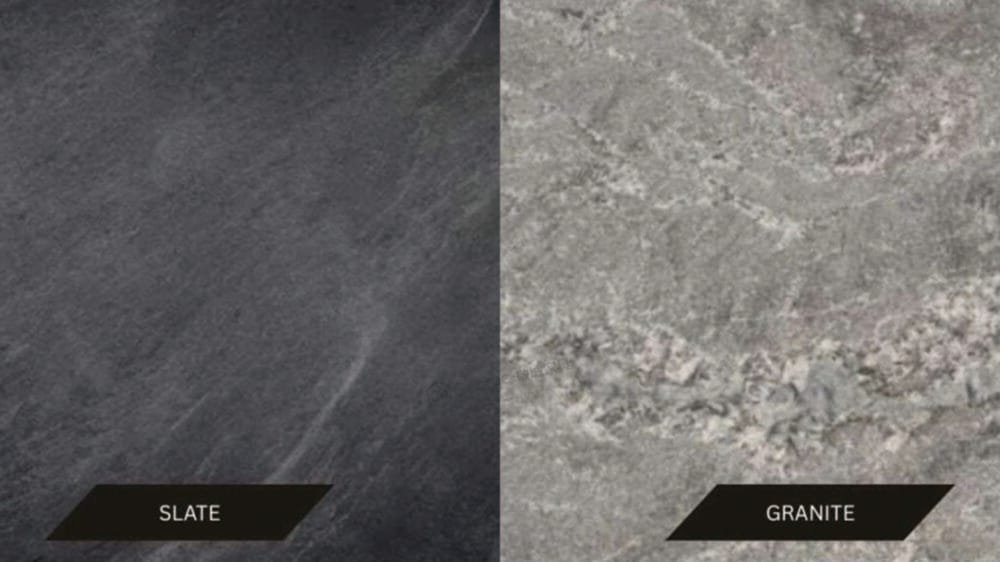
Slate advantages:
naturally slip-resistant
denser than marble or travertine
less reactive to mild acids
better camouflage for stains
long-lasting with minimal maintenance
Compared to softer stones, slate is often the more practical choice for humid environments—especially when properly sealed.
FAQ: Sealing Slate Shower Floor Tiles
1. Can you permanently seal slate in a shower?
No. All sealers degrade over time, especially in wet environments.
2. What’s the best type of sealer?
A high-quality penetrating/impregnating sealer with fluoropolymers or silane/siloxane resins.
3. How long does slate sealer last?
Typically 1–3 years in homes, 6–12 months in hotels or busy facilities.
4. Is sealing slate a DIY project?
Yes, but removing excess sealer is crucial. Many homeowners choose a professional installer to avoid mistakes.
5. Should walls and floors use the same sealer?
Yes—using one penetrating sealer ensures consistent appearance and protection.
Conclusion
While slate shower floors cannot be sealed permanently, the right approach can protect them for many years. High-quality penetrating sealers, proper application, and consistent upkeep are key to maintaining the natural beauty and performance of slate.
If you’re selecting slate for a new project or need guidance on the right type of stone and sealer, George Living offers technical support and material expertise without affecting editorial integrity. With the proper care, a slate shower floor can remain a long-lasting, elegant feature in any bathroom.