Importing construction materials from China represents today a strategic choice for builders, architects, and private individuals wishing to access an unprecedented variety of products, advanced customization options, and highly competitive factory prices. This guide analyzes every stage of the process, illustrating how to navigate supplier selection, international logistics, and customs regulations, with the goal of turning a complex operation into a safe, profitable investment free of operational risks.
Table of Contents
Why more and more companies are choosing to import building materials from China
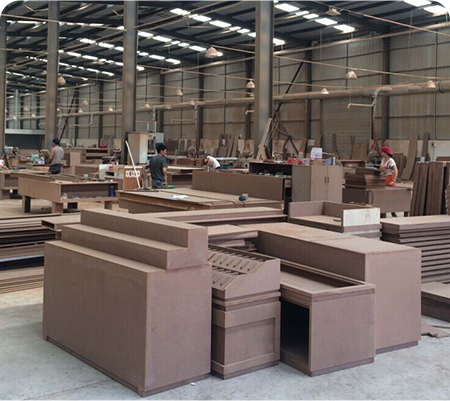
The international construction sector is turning to Far East manufacturers with increasing frequency for reasons that go beyond simple cost savings. Chinese furniture factories have developed large-scale production standards that combine industrial automation and craftsmanship flexibility, allowing them to cut fixed costs and offer endless catalogs.
The build quality of Chinese furniture has reached excellent levels, meeting strict Western certifications. Furthermore, the ability to centralize production allows for ordering the entire range of finishes needed for a project within a single manufacturing district.
To optimize this process, the ideal choice is to rely on a China one stop construction material shop, a solution that centralizes purchasing and eliminates issues related to supplier fragmentation.
Contact Us for a Project Consultation
Why pay more? At Georg’s Furniture, we cut out the middlemen to bring you premium furniture, flooring, doors, windows,marble and tiles and more—all at prices up to 40% below retail. With 20+ years of experience and 600 consultants, we provide complete, custom project solutions, from initial design to final delivery.
Which building materials are best to import from China?
The cost-effectiveness of importing is reflected across various product categories, divided according to their intended use within the architectural project.
- Interior materials
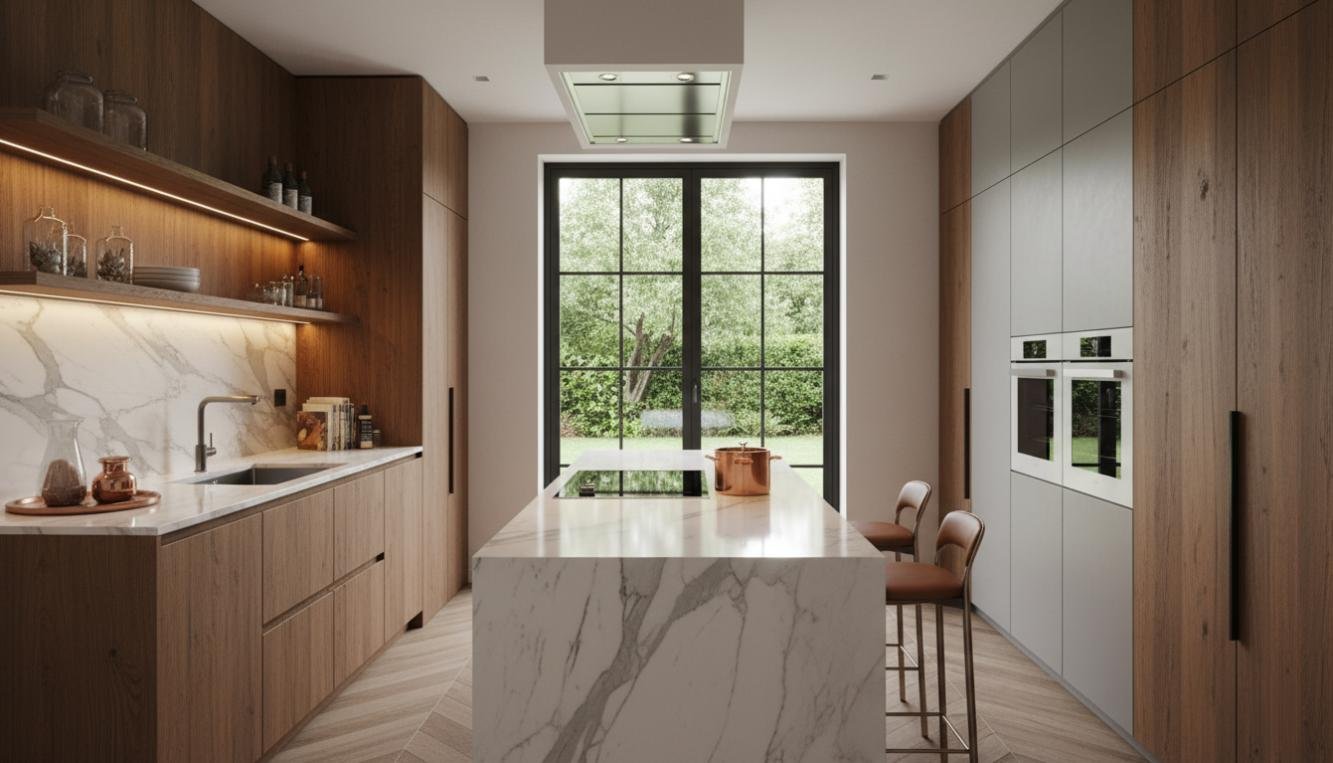
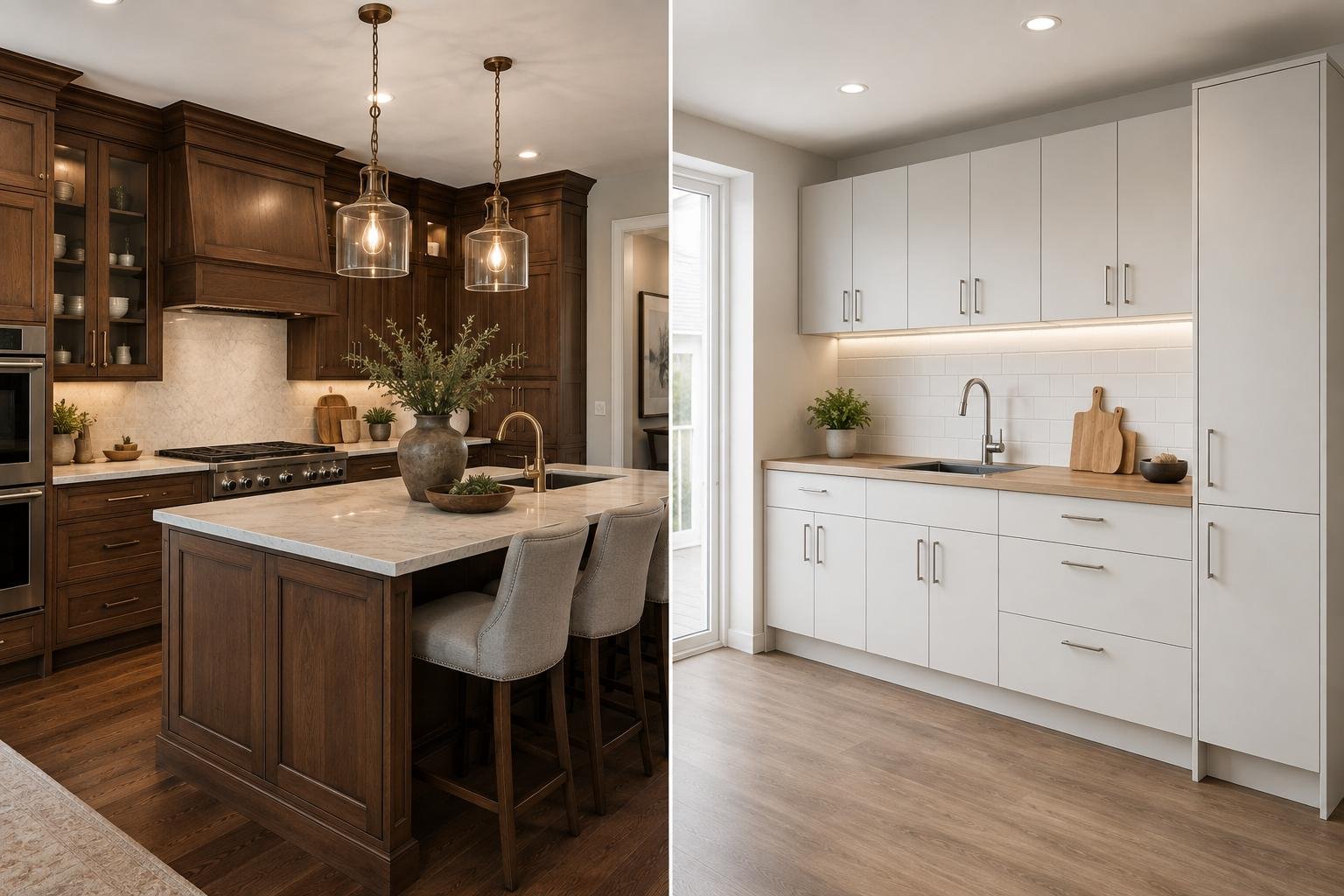
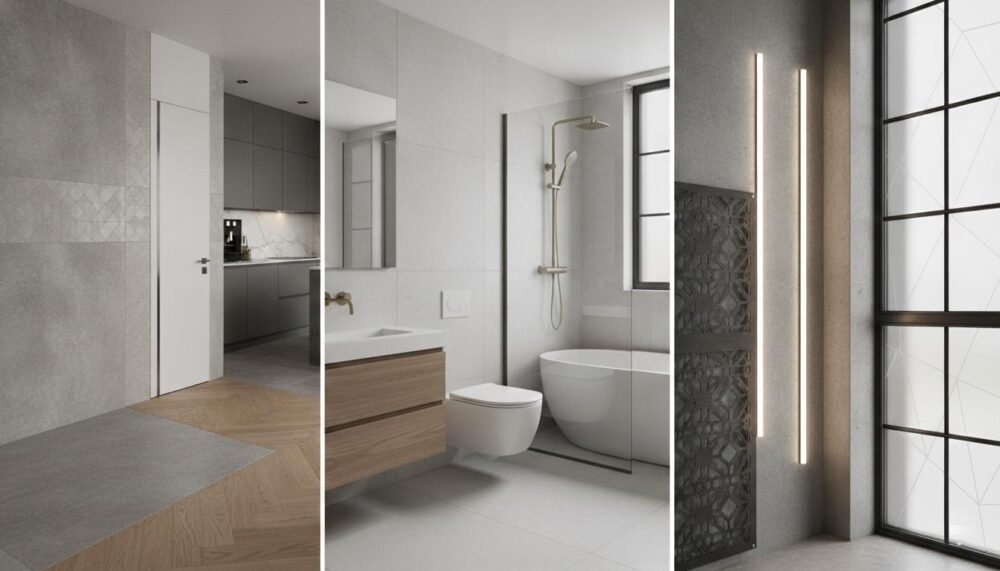
The interior finishes sector offers the highest savings margins. It is possible to select porcelain stoneware flooring, engineered wood flooring, trendy ceramic wall tiles, flush-to-the-wall interior doors, and high-aesthetic-impact modular kitchens made with durable materials and latest-generation hardware.
- Bathroom materials
Chinese bathroom furniture and technical plumbing components boast state-of-the-art production. Importing covers ceramic sanitary ware with antibacterial glazes, designer fixtures with advanced galvanic finishes, custom-made shower enclosures, and freestanding bathtubs, ensuring a perfect balance between aesthetics and functionality.
- Structural and technical materials
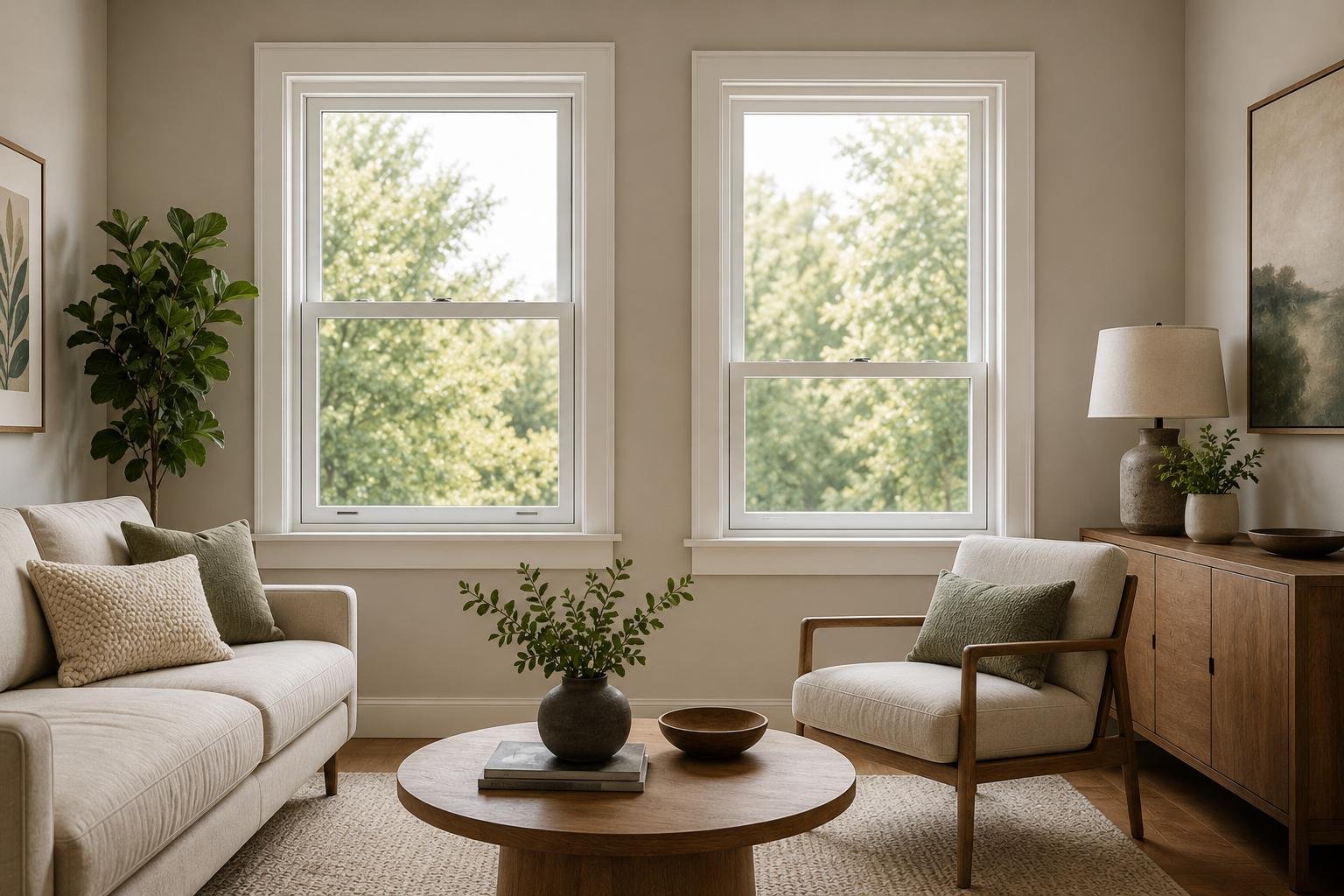
In addition to finishes, the importing construction materials from China extends to thermal break aluminum windows and doors, architectural LED lighting systems, and custom-made metal or glass components capable of meeting the structural requirements of contemporary projects.
Contact Us for a Project Consultation
Why pay more? At Georg’s Furniture, we cut out the middlemen to bring you premium furniture, flooring, doors, windows,marble and tiles and more—all at prices up to 40% below retail. With 20+ years of experience and 600 consultants, we provide complete, custom project solutions, from initial design to final delivery.
How the import process works step by step
Starting an international shipment requires rigorous planning structured into several consecutive phases.
Project definition
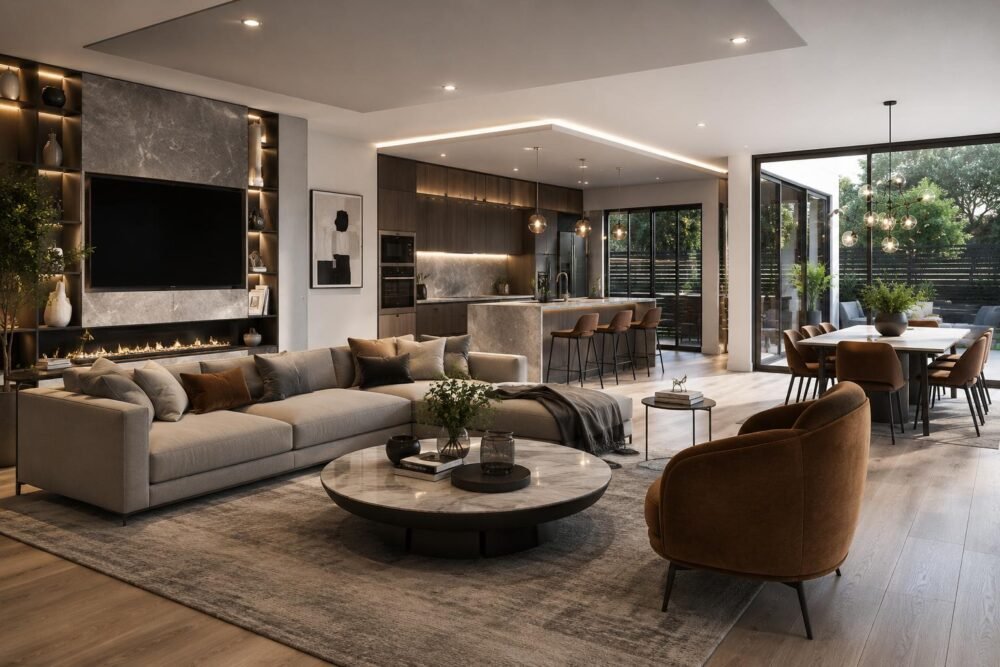
Before proceeding with the purchase, it is essential to define every technical and dimensional detail of the rooms. Integrating professional 3D interior design from the very beginning allows you to visualize the final result through accurate, photorealistic renders. This fundamental step makes it possible to generate a precise bill of materials, eliminating the risk of measurement errors or aesthetic incompatibility between the various chosen elements.
Info. If you DO NOT have a trusted designer, George’s Furniture can pair you with a specialized professional who will guide you step by step.
Supplier selection
The search for trade partners requires a careful verification of export licenses, conformity certifications, and minimum order quantities (MOQ). Choosing manufacturers with proven experience in international markets drastically reduces technical misunderstandings.
Sampling
Requesting physical samples is a mandatory step to evaluate firsthand the texture, color, color rendering, and strength of materials before confirming the main order and starting mass production.
Production
During this phase, communication channels with the factory must remain constantly open to monitor adherence to delivery times and compliance with the technical specifications agreed upon in the supply contract.
Quality control
A professional on-site inspection, performed by specialized technicians prior to packaging, ensures that products are free of defects and that quantities correspond exactly to what was ordered, preventing unpleasant surprises once the container arrives.
Shipping and customs clearance
The transfer of goods requires planning sea or air logistics, cargo consolidation, preparation of customs documentation (bill of lading, commercial invoice, packing list), and the payment of related duties and local taxes.
Contact Us for a Project Consultation
Why pay more? At Georg’s Furniture, we cut out the middlemen to bring you premium furniture, flooring, doors, windows,marble and tiles and more—all at prices up to 40% below retail. With 20+ years of experience and 600 consultants, we provide complete, custom project solutions, from initial design to final delivery.
George’s Furniture: The advantage of the one-stop shop for building materials
Managing dozens of different suppliers independently involves significant issues, including mismatched delays, technical incompatibilities between components from different brands, and an exponential increase in shipping costs due to half-empty containers. The model of the China one-stop construction materials shop solves these problems at their root by acting as a single commercial and technical point of contact.
George’s Furniture applies this approach through a fully integrated service that combines design, home customization, production, quality control, and international logistics management into a single operational workflow. In addition to supplying custom furniture, it also coordinates complementary materials such as flooring, wall tiles, doors, windows, marble, and sanitary ware, ensuring design continuity and greater control over the final result. For clients who choose to buy furniture from China, this integrated model provides a seamless and reliable experience from design to delivery.
The team follows every phase of the project, from the initial concept and 3D design to goods consolidation, export packaging, and shipping coordination, supported by dedicated project managers and multi-level quality control procedures. This model allows for reducing operational complexities, optimizing transport costs, minimizing the risk of errors, and offering a more efficient and predictable experience even for large-scale international projects.
To complete the service, George’s Furniture offers after-sales support and continuous assistance, transforming supply chain management into a simpler, coordinated, and long-term oriented process.
Full-house customization in China: why it is becoming the new standard?
The global trend in interior design is moving rapidly towards the concept of full-house customization, an approach where furniture and architecture blend harmoniously. Whole house customization in China offers the opportunity to design coordinated environments where finishes, shades, and materials dialogue perfectly with each other, overcoming the limits imposed by the standardized products of traditional catalogs.
- Kitchens and wardrobes:Designed to the millimeter to optimize spaces, integrating pull-out accessories and integrated internal lighting.
- Bathrooms and doors:Made with finishes coordinated with the flooring and wall tiles of the living area for total visual continuity.
- Scenic lighting:Light systems integrated into false ceilings and furniture, configured to enhance the chosen materials.
A concrete example is represented by luxury residential projects where flush-to-the-wall doors, kitchens, and boiseries share the exact same wood essence and metal finish, a result achievable only through integrated and centralized production.
Importing building materials from China into Australia
The Australian market stands out for its extremely strict entry criteria in terms of biosecurity and structural compliance. The import of building materials from China into Australia dictates compliance with AS/NZS standards, particularly regarding the thermal efficiency of windows and doors and the absence of formaldehyde in wood panels. All wooden packaging materials must undergo certified fumigation treatments to pass inspections by the Department of Agriculture, Fisheries and Forestry (DAFF), making the involvement of ocean logistics specialists mandatory.
Errors to avoid when importing building materials from China
To protect your investment and avoid delays on construction sites, it is important not to fall into some common errors that can compromise the outcome of the operation.
- Selecting suppliers based solely on the lowest price! Excessive savings almost always translate into poor quality materials or non-compliance with current safety regulations.
- Skipping the sampling or inspection phase: Purchasing large volumes without a physical check exposes you to the risk of receiving defective goods or incorrect colorings.
- A professional 3D interior designis the only guarantee for obtaining furniture and structural components that integrate perfectly on the construction site.
- Undervaluing logistics times and costs!Failing to calculate shipping times or customs duties can disrupt the budget and the scheduling of the works.
How much does it cost to import building materials from China?
The calculation of the overall investment does not stop at the ex-factory price (Ex Works) of the goods, but must include a series of incidental cost items. It is necessary to consider internal transport expenses in China, ocean freight rates for containers (FCL or LCL), cargo insurance policies, and customs duties applied by the destination country. To these elements are added management costs related to brokerage and quality control services, expenses that are largely amortized by the significant savings generated on the raw cost of materials and custom furniture.
FAQ
Q1. Which certifications are needed to import construction materials from China?
Certifications depend on the destination country. For the United States, ASTM standards and specific conformity certifications are required, while for Australia, AS/NZS regulations and packaging fumigation certificates are fundamental. It is essential to verify these requirements before importing building materials from China.
Q2. How can I verify the quality of materials before shipping?
The safest method consists of requesting initial samples and, subsequently, entrusting an on-site inspection to a third-party agency or a specialized partner before the final payment and the closing of the container. This process ensures that importing materials from China meets the expected standards.
Q3. What happens if the materials arrive damaged or with incorrect measurements?
To avoid dimensional errors, it is fundamental to define the details through a professional 3D interior design prior to production. Against transport damage, on the other hand, it is indispensable to take out cargo insurance and rely on specialists who handle the packaging and the loading of the containers.
Is it really worth importing construction materials from China?
The answer is yes! Importing building materials from China proves to be a winning choice for mid-to-high-level residential projects, commercial complexes, and total renovations where the purchase volume justifies the logistics management. Relying on a specialized partner like George’s Furniture allows you to eliminate risks related to language barriers and regulatory differences.
The combination of a professional 3D interior design and centralized purchasing through a secure channel ensures total control over quality and style. If you wish to optimize the budget of your next construction project and are looking for a secure purchasing solution, request a personalized consultation or a dedicated quote to discover all the operational advantages available to you.