A poor toilet seat choice doesn’t stay hidden for long. You start noticing movement, cracks, or discomfort. Many buyers focus on looks or price, then end up buying again within months. It’s unnecessary spending and frustration.
If you are also in this selection phase and are stuck in the wood vs plastic toilet seat comparison, this article will help you make a clear decision based on real usage, not just product descriptions. Here, we will compare these materials based on looks, hygiene, stability and other essential factors. Let’s begin.
The importance of material choice
Every home has different needs. Those who cook a lot will need heat- and scratch-resistant surfaces, while those looking for a high-impact design might prioritize natural veining. Analyzing the various types of countertop materials is the first step toward a long-lasting investment. A good countertop must not only look beautiful but must also withstand the stress of hot pots, sharp blades, and acidic liquids without being irreparably damaged over time.
Quick Answer
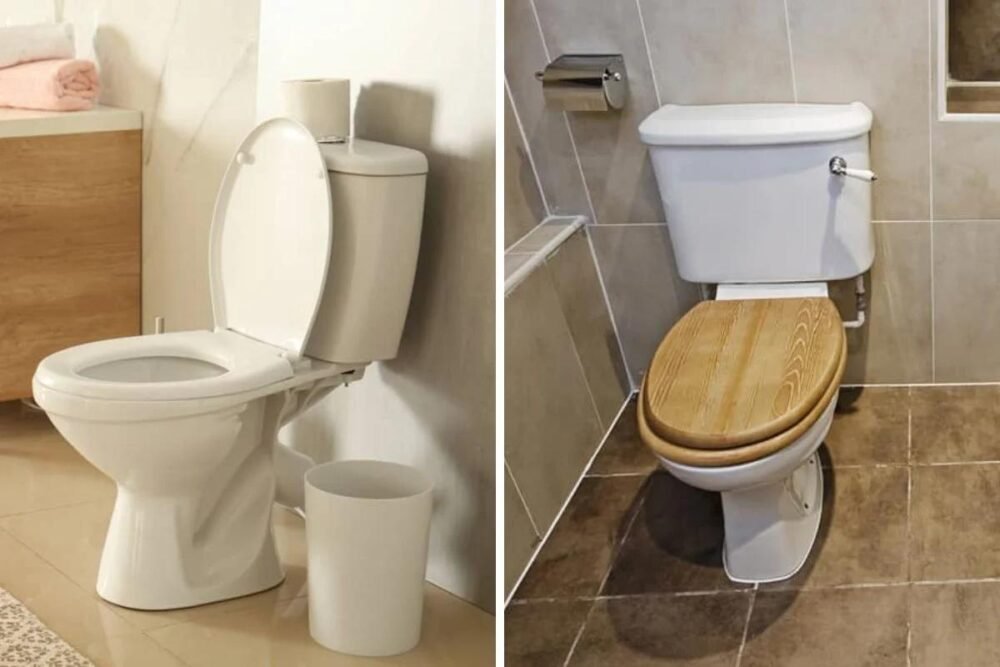
Plastic seats are a better choice for most people because they are hygienic, durable, require less care, and are affordable. Wooden seats are only suitable if you have a well-ventilated and maintained bathroom. Otherwise, the comfort, stability, and looks are not worth it.
Based on George’s Furniture’s product testing and customer feedback, both materials perform well, but only when chosen for the right bathroom conditions.
Wood vs Plastic Toilet Seat Comparison
Feature | Wood Toilet Seat | Plastic Toilet Seat |
Comfort | Warm, solid feel | Cooler, lightweight |
Durability | Strong yet prone to moisture absorption | Waterproof, durable material
|
Hygiene | Can absorb moisture over time | Not porous, easy to clean |
Cost | £20–£60+ | £10–£40 |
Weight | Heavy, more stable feel | Lightweight, easy to handle |
Maintenance | Needs careful cleaning | Low maintenance |
Lifespan | Can degrade faster in humidity | ~5–7 years average |
Best For | Premium feel, design | Everyday practical use |
Wood vs Plastic Toilet Seat Detailed Differences
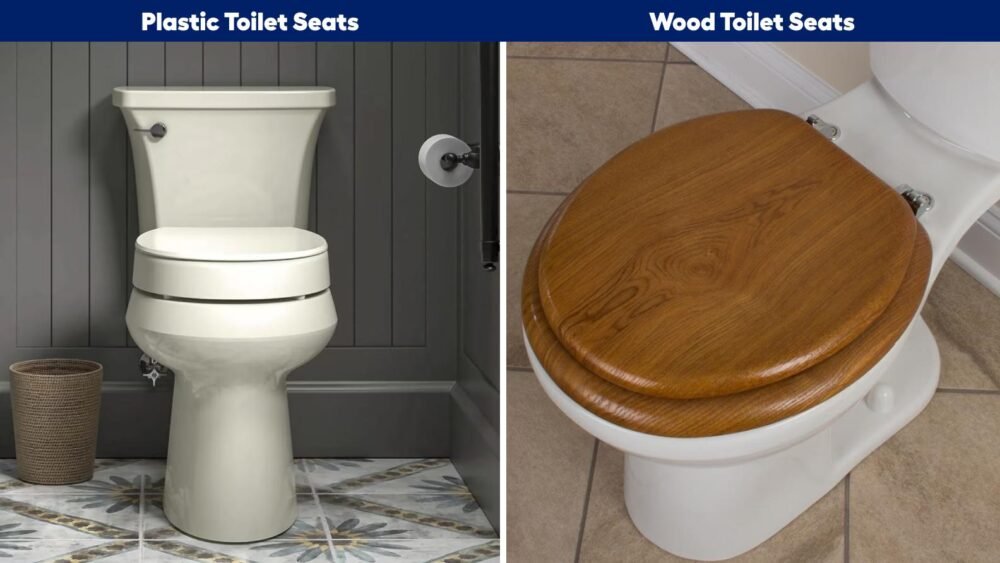
Let’s break this down properly. Not fluff. Just what actually matters when you’re using it every day.
Design & Visual Appeal
Wood seats simply look better in certain setups. Wooden seats feel a bit more intentional. Like someone actually thought about the space’s look. A wooden loo seat with a glossy finish or subtle pattern can elevate the whole space.
Plastic doesn’t really try to do that. It’s more of a default. Clean, simple, and already familiar because you’ve probably seen it everywhere. Also, plastic wins in colour variety. You’ll find everything from standard white to black, grey, and even pink.
If you care about design, wood edges ahead. If you want safe and standard, plastic does the job.
Contact Us for a Project Consultation
Why pay more? At George’s Furniture, we cut out the middlemen to bring you premium furniture, flooring, doors, windows,marble and tiles and more—all at prices up to 40% below retail. With 20+ years of experience and 600 consultants, we provide complete, custom project solutions, from initial design to final delivery.
Comfort & Feel
This is where wood usually wins.
Wood seats feel warmer, especially in colder climates. They also have a more solid, “not cheap” feel. That slight weight actually makes a difference.
Plastic seats can feel a bit cold and light. Not uncomfortable exactly, but you notice the difference if you’ve used both.
That said, shape matters too. A white elongated toilet seat (wood or plastic) is usually more comfortable than a round one because it gives more sitting space.
Over Time: What Changes
Here’s where things get interesting in the wood vs plastic toilet seat comparison.
Plastic seats are surprisingly durable. They don’t absorb moisture, and under normal use, they can last around 5–7 years. That’s pretty standard in most households.
Wood seats feel stronger, especially enamelled ones. They have that sturdy, heavy build. But they’re more sensitive. Moisture getting in is where problems start—cracks or warping usually show up later.
Also, don’t ignore hinges. A cheap seat with weak hinges fails faster than a good one, regardless of material. Metal hinges usually last longer.
Moisture Resistance
This part gets ignored a lot, even though it shouldn’t. Plastic and moisture don’t really mix in a bad way; it just doesn’t react. No absorption, no swelling. Perfect for bathrooms with poor ventilation.Wood is different. Moisture is the real issue here. Once it gets in through weak sealing, warping or cracking can follow over time. If you don’t know how moisture affects wood, read this wood and moisture article by Wood Database.George’s Furniture experts always recommend plastic seats for bathrooms with poor ventilation, as we have seen frequent moisture damage issues at such places.
Hygiene & Cleanliness
Plastic wins again.
Its sealed surface makes it easy to clean. A quick wipe, and you’re done. It doesn’t trap bacteria easily.
Wooden toilet bowls are okay hygienically, but the coating matters a lot. When it wears off, moisture starts getting in over time. Most seats today—wood or plastic—come with quick-release hinges anyway, so deep cleaning isn’t much of a struggle.
Weight & Stability
It is a really important difference in the wood vs plastic toilet seat comparison.
Wood seats are heavier. That gives them a more stable feel. They don’t shift around as easily.
Plastic seats are lighter. Good quality ones still stay in place, especially with grip bumpers, but cheaper ones can feel slightly loose over time.
If stability matters to you, wood feels more solid. But a well-built plastic seat with good fittings can still perform well.
Cost & Value for Money
Plastic is clearly more budget-friendly. A decent plastic toilet seat costs $50. It can last for years. That’s a solid value. Wood seats cost around $100, but they offer a better feel and design.
So it comes down to this:
- Economically priced → plastic
- Feel and finish → wood
Keep in mind that the above shared prices are based on average; the actual prices can be much lower or higher depending on the material quality, brand, and other factors.
Contact Us for a Project Consultation
Why pay more? At George’s Furniture, we cut out the middlemen to bring you premium furniture, flooring, doors, windows,marble and tiles and more—all at prices up to 40% below retail. With 20+ years of experience and 600 consultants, we provide complete, custom project solutions, from initial design to final delivery.
Maintenance Requirements
Plastic is low effort. You don’t need much—mild soap and a quick wipe are enough.
Wood needs a bit more care. Harsh cleaners can damage the coating. Once that happens, moisture problems start. Both types should ideally be cleaned with mild soap to maintain their finish.
Alongside material selection, the right manufacturer is also essential to ensure high quality. Most people trust George Sanitary Ware for toilets. It offers tested toilet seat designs that balance durability, hygiene, and comfort for everyday use.
Wood vs Plastic Toilet Seat Pros and Cons
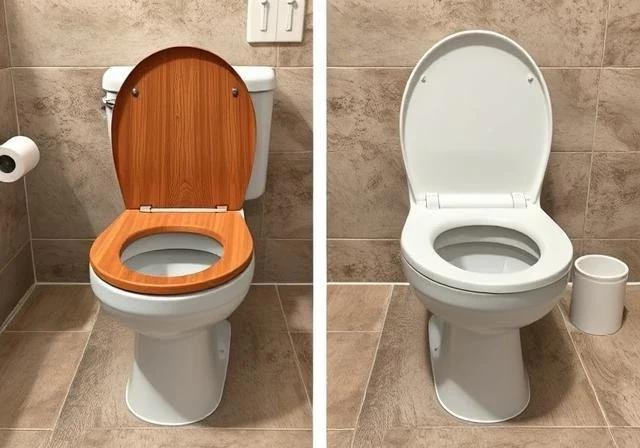
The differences are there, no doubt. But choosing between a plastic and a wood toilet seat isn’t always obvious. Laying out the pros and cons of each tends to clarify things.Pros and Cons of Wood Toilet Seats
| Pros | Cons |
| Warm and comfortable to sit on | Can absorb moisture if not sealed properly |
| Strong, heavy, premium feel | May crack or warp over time |
| Better for classic or luxury bathroom styles | Requires more maintenance |
| Feels more stable due to weight | Usually more expensive than plastic |
| Available in stylish finishes and patterns | Coating damage can affect hygiene |
Pros and Cons of Plastic Toilet Seats
Pros | Cons |
handles moisture well and lasts long | Feels lighter and less premium |
Easy to clean and hygienic | Can become discoloured over time |
Less costly and widely available | Cheaper models may feel less sturdy |
Available in multiple colours and designs | Cooler surface, especially in winter |
Low maintenance and practical for daily use | Can crack if low quality |
Wood vs Plastic Toilet Seat: Best Use Scenarios
At George’s Furniture, we guide customers based on their actual bathroom usage, not just product features. What works in one setup might fail badly in another. So instead of asking “is wood or plastic toilet seat better?”The real question is where and how you’ll use it.
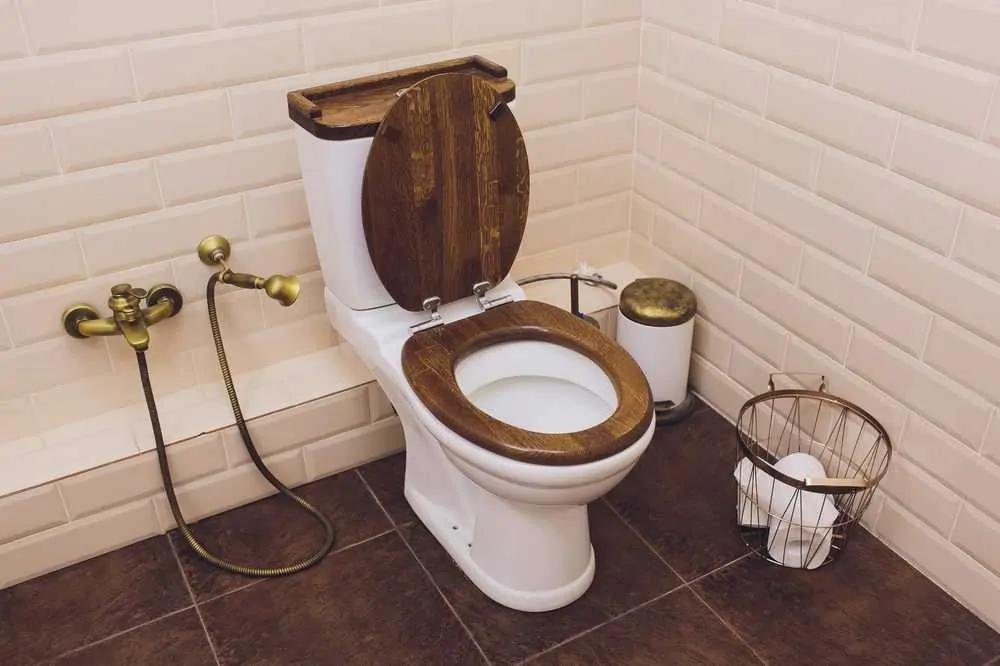
When to Choose Wood Toilet Seats?
If your focus is comfort and style, wood makes sense. Choose it if:
- You want a premium or decorative bathroom look
- Your bathroom has good ventilation and low humidity
- Comfort matters more than easy maintenance
- You prefer a solid, heavy seat feel
- You’re upgrading aesthetics, not just replacing
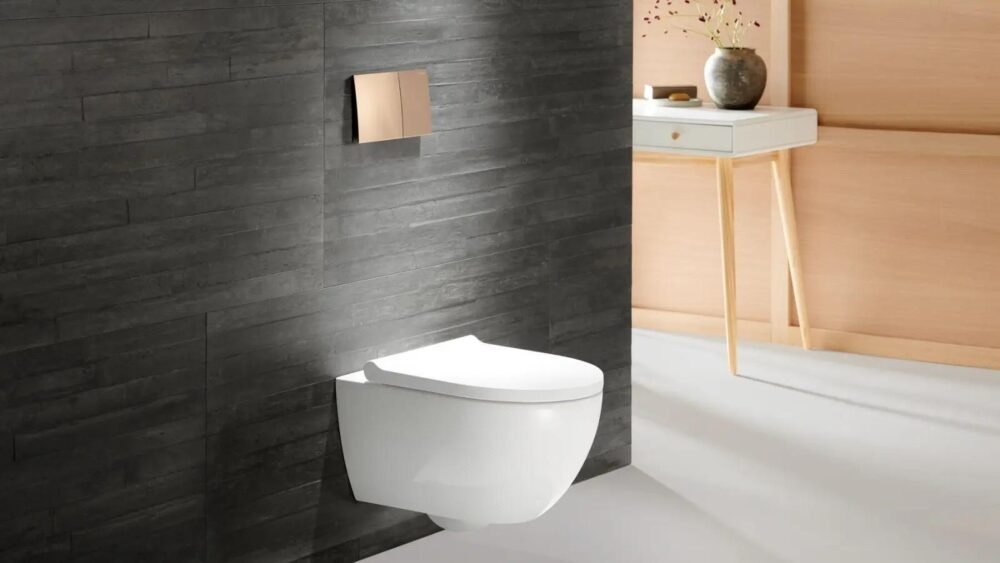
When to Avoid Wood and Plastic Toilet Seats?
Choosing the wrong one for the wrong situation can make things worse when it comes to wood vs plastic toilet seats. Here is when to avoid each material.
When to Avoid Wood Toilet Seats?
Wood isn’t always the right fit, even if it looks better.
- Your bathroom is humid or lacks ventilation
- You don’t want to deal with maintenance
- It’s a rental or heavy-use environment
- You need something purely functional, not aesthetic
When to Avoid Plastic Toilet Seats?
Plastic also has its limitations.
- You want a high-end or luxury finish
- You dislike a lightweight or less solid feel
You’re choosing very cheap models (they fail fast
FAQs
Wood Or Plastic Toilet Seat For A Heavy Person: Which Is Better?
For someone heavier, wood usually feels more reliable and less likely to shift. It can make a heavy person feel balanced and comfortable. High-quality plastic can still work, but it’s not as good as wood.
Is A Wooden Toilet Seat Warmer Than Plastic?
You, wooden toilets are warmer than plastics. Basically, wood takes less atmospheric temperature effect than plastics. So far extremely hot or cold climates, it’s definitely a better choice.
What Is The Difference Between Duroplast and UF Toilet Seat?
There isn’t much difference in daily use between the two materials. UF is the base material, while Duroplast is a stronger version with better scratch resistance.
Final Words
In the wood vs plastic toilet seat comparison, the right choice depends on how you use your bathroom, not what looks good online or is priced cheaply.
Plastic wins in practicality. It’s easier to clean, handles moisture better, and lasts without much attention. It’s the right choice, especially for busy households.
That said, wood still has its place. If your bathroom is dry, well-ventilated, and design matters to you, a quality wooden seat can feel better every day. Just make sure it’s properly sealed and maintained well.
If you are still unable to decide, contact George’s Furniture with your needs, budget and our experts will recommend the most practical choice for you, and even help with the purchase if needed.