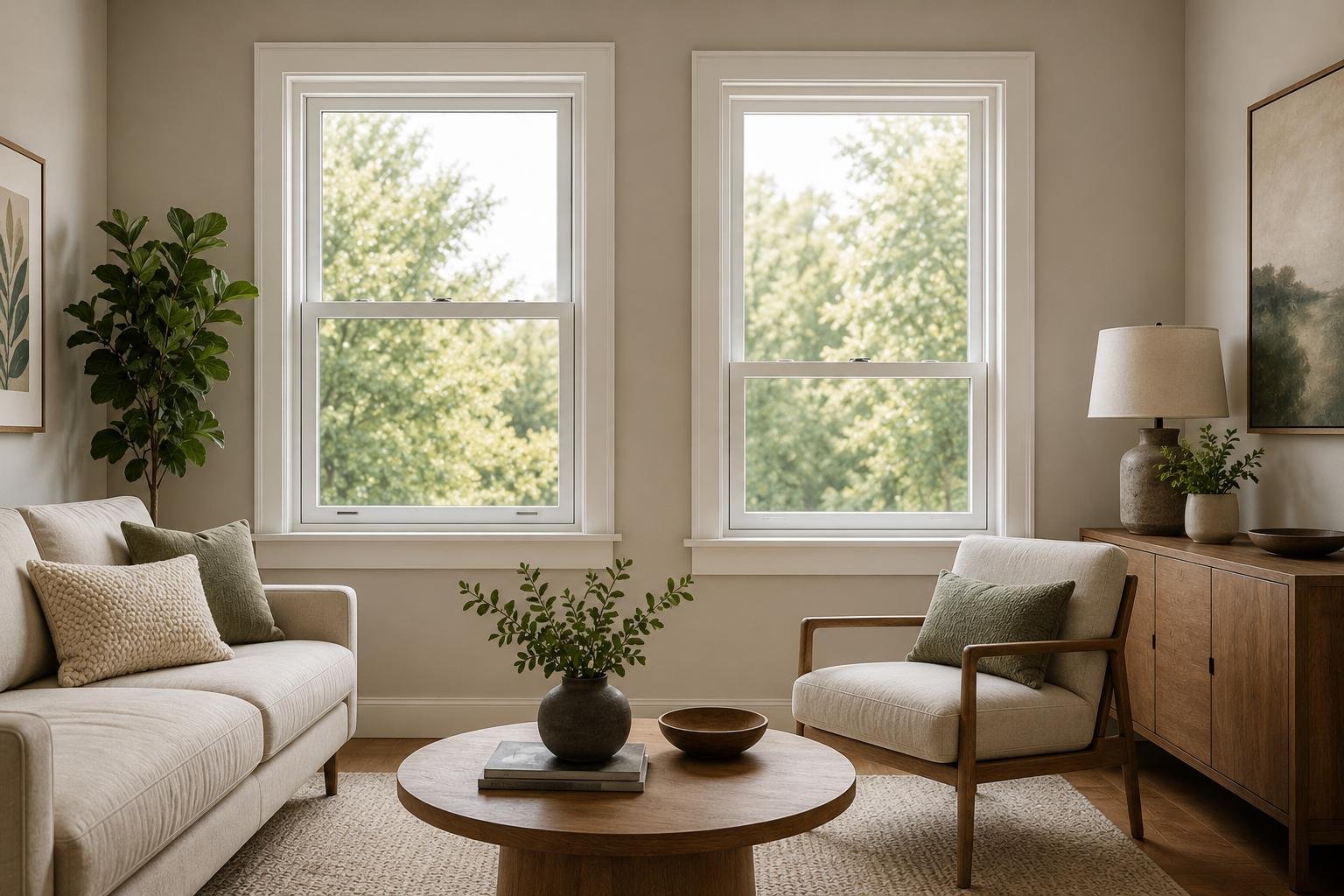
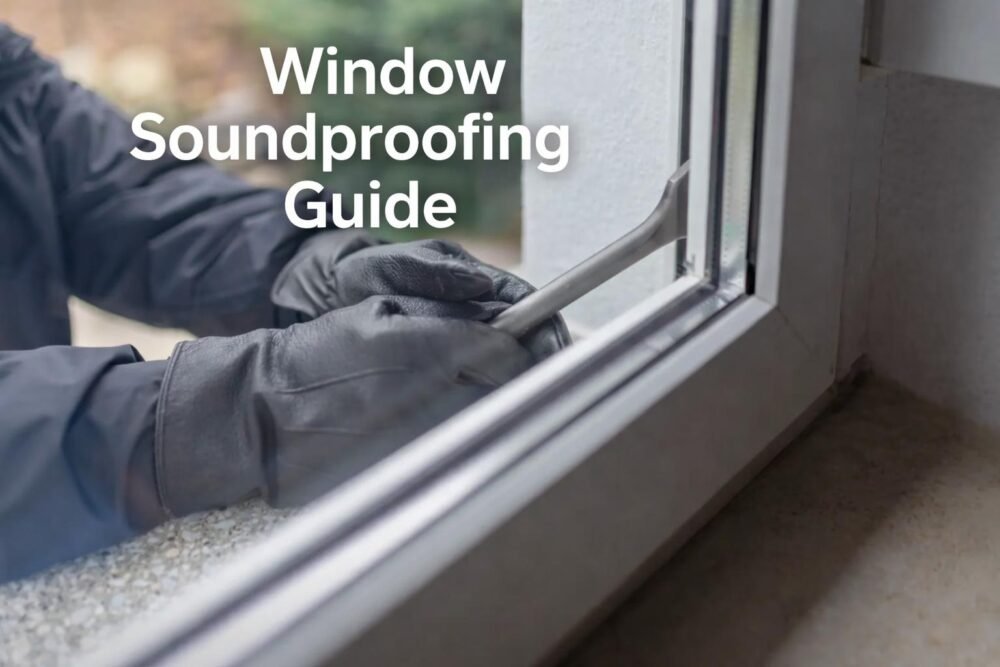
When you reside in an area where there is traffic, trains, an airport or just very noisy neighbours, noise becomes part of daily life. It makes you tense, and you don’t realize it until you spend a night in a quiet place and you find how much more you sleep.
It is not the noise that is passing through walls in most homes. It is passing through the windows, and the only solution is to soundproof them.
That’s why in this article, we will share practical window soundproofing techniques. You will learn which upgrades are actually effective, where to restrict, and how to select the appropriate one based on the space. But before we get into the solutions, let’s first understand the problem.
Table of Contents
Why Do Windows Struggle With Noise?
Sound travels as energy. Dense, airtight materials block it. Lightweight materials with gaps let it pass. The windows are constructed so they allow light in rather than vibration. The reason is that the window acoustic insulation relies on three principles:
- Adding mass to the glass or window system
- Creating airtight seals around the frame
- Increasing the air space, sound must cross
The more of these principles a solution applies, the higher its performance.
Identify The Type Of Noise First
Before choosing a solution, it is important to wait and identify the type of noise causing the problem.
Trucks, buses or trains generate noise at low frequencies, which is more difficult to block. Through glass and frames it shakes. Noises at high frequencies, such as voices, horns, or dogs, are more easily absorbed with additional layers and sealing.
If you have a problem with voices and street activity, basic improvements are easy to notice. If it is heavy traffic or aircraft noise, you may need a more advanced approach.
Core Window Soundproofing Methods That Actually Work
To select the products, it is best to know the principal methods of effective window soundproofing.
Sealing Gaps And Air Leaks

Sound behaves like air. When air can enter through apertures around a window frame, then sound will follow. So you need to properly air-seal your windows.
New weatherstripping and acoustic caulk reduce noise by preventing sound from flanking the glass. By itself, it will not block heavy traffic noise, but will make other solutions more effective. It serves as the foundation for soundproofing windows without replacing them.
In real homes we’ve assessed, unsealed gaps around window frames were often responsible for more noise leakage than the glass itself.
Contact Us for a Project Consultation
Why pay more? At George Living, we cut out the middlemen to bring you premium furniture, flooring, doors, windows, and more—all at prices up to 40% below retail. With 20+ years of experience and 600 consultants, we provide complete, custom project solutions, from initial design to final delivery.
Adding An Interior Sound Barrier
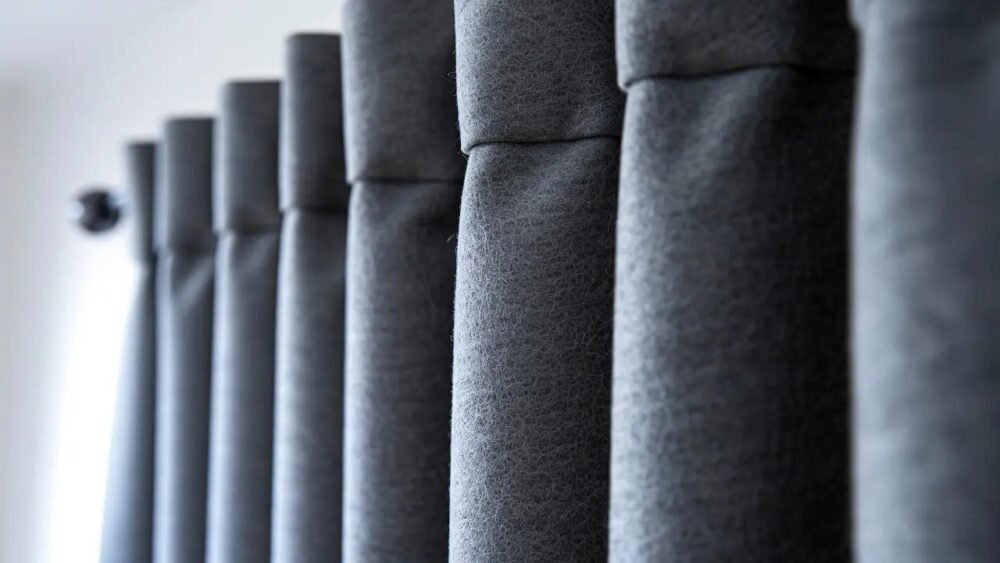
Interior barriers increase the distance and resistance sound must overcome. The most common options include:
- Soundproof window inserts
- Soundproof window curtains
- Soundproof panels for windows
- Secondary glazing systems
Among them, window inserts are the most practical for home use, as they do not block daylight and can be removed.
What most people are asking is Do window inserts reduce noise? Properly sealed inserts can reduce noise perception by up to half, particularly in the voice and traffic bands.
In bedrooms facing busy streets, we’ve consistently seen window inserts make a noticeable difference in sleep quality once they are properly sealed.
Windows Soundproofing Solutions For Different Spaces
Not every room needs the same solution. At George Living, we work closely with homeowners and property managers to improve comfort inside real living spaces, and window noise is one of the most common concerns we see across bedrooms, living rooms, and work-from-home setups. The following are some of the most effective solutions we found:
Best Soundproof Windows For Home
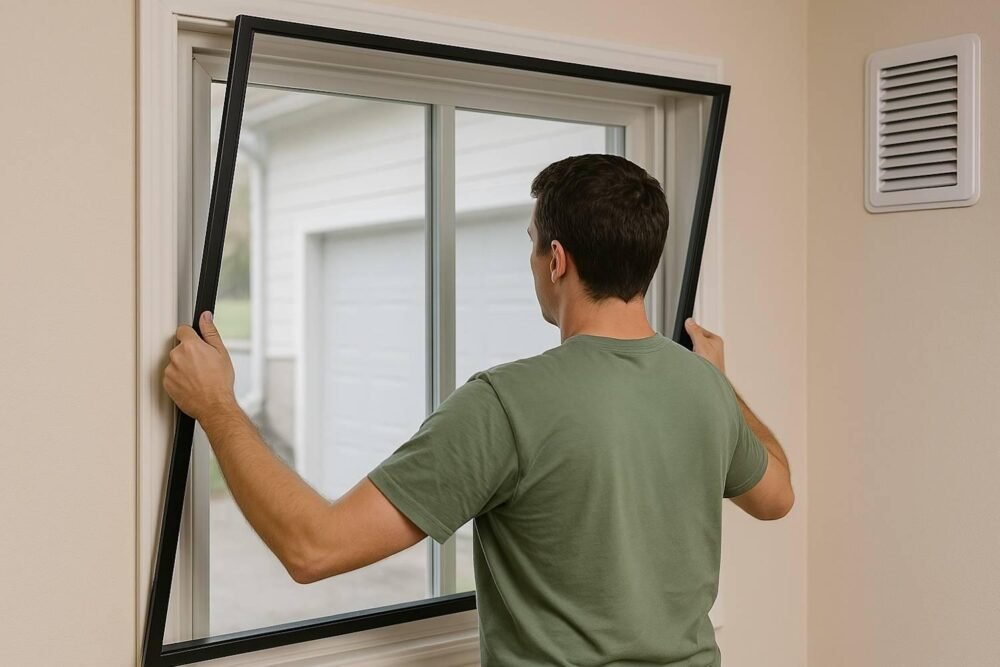
In residential spaces, comfort and cost are equally important as performance. Most of the time, the best soundproof windows for a home are a combination of layers rather than a single extreme upgrade. For most homeowners we work with, combining inserts with basic sealing delivers better results than replacing windows too early.
Recommended home solutions
- Acoustic caulk and weatherstripping
- Soundproof window inserts for bedrooms and living rooms
- Soundproof window shades as a secondary layer
This approach works well because inserts add mass and air space, while shades help absorb reflected sound inside the room.
Contact Us for a Project Consultation
Why pay more? At George’s Furniture, we cut out the middlemen to bring you premium furniture, flooring, doors, windows, and more—all at prices up to 40% below retail. With 20+ years of experience and 600 consultants, we provide complete, custom project solutions, from initial design to final delivery.
Typical Residential Cost Estimates
Home solution | Estimated cost (per window) |
Sealing and weatherstripping | $30–$80 |
Soundproof window inserts | $350–$800 |
Soundproof window shades | $120–$300 |
For homeowners planning future upgrades, it helps to review available window designs and construction options at George Windows to understand what long-term sound control may look like.
Best Soundproof Windows For Hotel/Office Settings
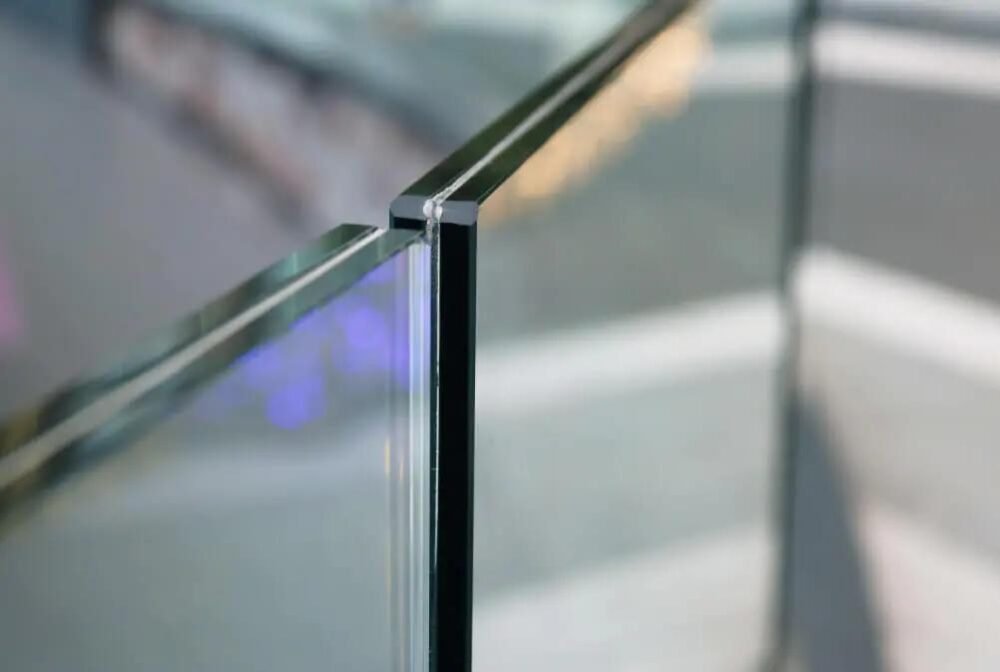
Hotels and offices require stronger and more consistent noise reduction. Privacy, speech control, and durability matter more than removability.
The best soundproof windows for hotel/office environments typically include:
- Laminated or acoustic glazing
- Secondary interior window systems
- Professionally sealed frames to eliminate flanking noise
These solutions are designed to reduce conversation noise, street traffic, and exterior disturbances across multiple rooms.
Contact Us for a Project Consultation
Why pay more? At George’s Furniture, we cut out the middlemen to bring you premium furniture, flooring, doors, windows, and more—all at prices up to 40% below retail. With 20+ years of experience and 600 consultants, we provide complete, custom project solutions, from initial design to final delivery.
Typical Commercial Cost Estimates
Commercial solution | Estimated cost |
Custom acoustic window inserts | $600–$1,200 |
Secondary glazing systems | $1,500–$2,500 |
Full soundproof window replacement | $1,800–$3,500+ |
Contact Us for a Project Consultation
Why pay more? At George’s Furniture, we cut out the middlemen to bring you premium furniture, flooring, doors, windows, and more—all at prices up to 40% below retail. With 20+ years of experience and 600 consultants, we provide complete, custom project solutions, from initial design to final delivery.
When is Replacing Windows the Smarter Move?
The old style of single-pane, poorly constructed windows may need to be replaced, which could be the most intelligent move in the long run. Acoustic windows of the modern world are made from a combination of glass layers of varying thicknesses, enclosed with sealed air gaps to minimise vibration
Homeowners who come to compare the two options can help realise the differences, which are explained in this guide on replacement vs. new-construction windows. Out of the many types, the right one will ensure you do not install the wrong system in your home and do not spend too much of your money.
Advanced Window Soundproofing Upgrades (When Basic Fixes Are Not Enough)
Where noises are enhanced but not solved by sealing and inserts, then it is a low-frequency sound problem. These involve trains, buses, aircraft, and trucks. These tones are more dynamic and demand heavier solutions.
Secondary Glazing Windows
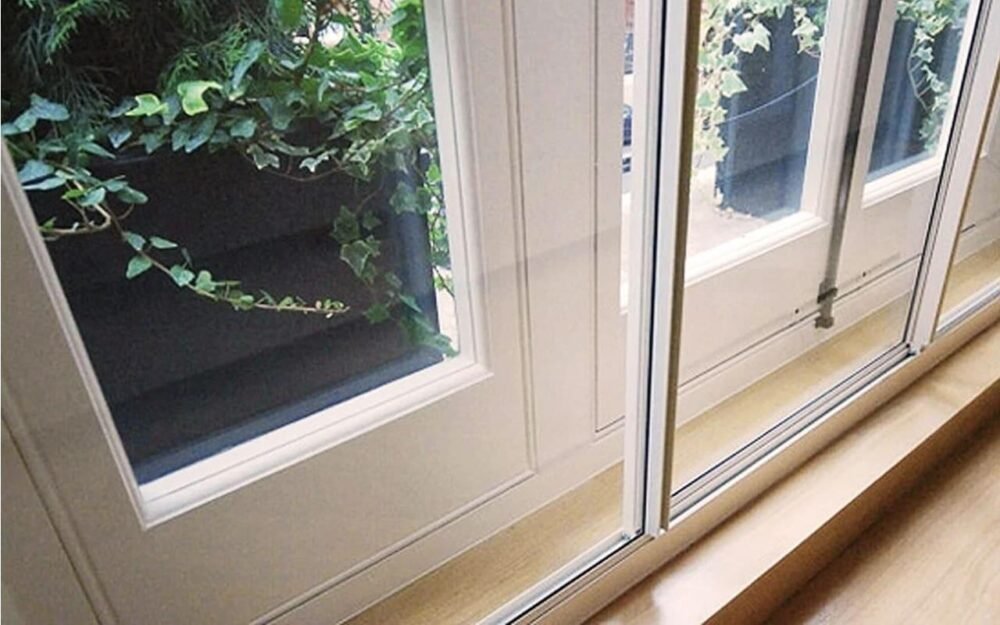
Secondary glazing is an additional layer of glass installed in the window frame. These systems, however, are professionally installed and designed to create a large air gap, unlike the basic inserts. That gap forces sound waves to lose strength before reaching the room.
Secondary glazing performs well when:
- Exterior noise is constant and heavy
- Original windows cannot be replaced due to building rules
- Long-term performance matters more than removability
This method is commonly used in hotels, offices, and older homes where exterior changes are limited.
Laminated Acoustic Glass Replacement
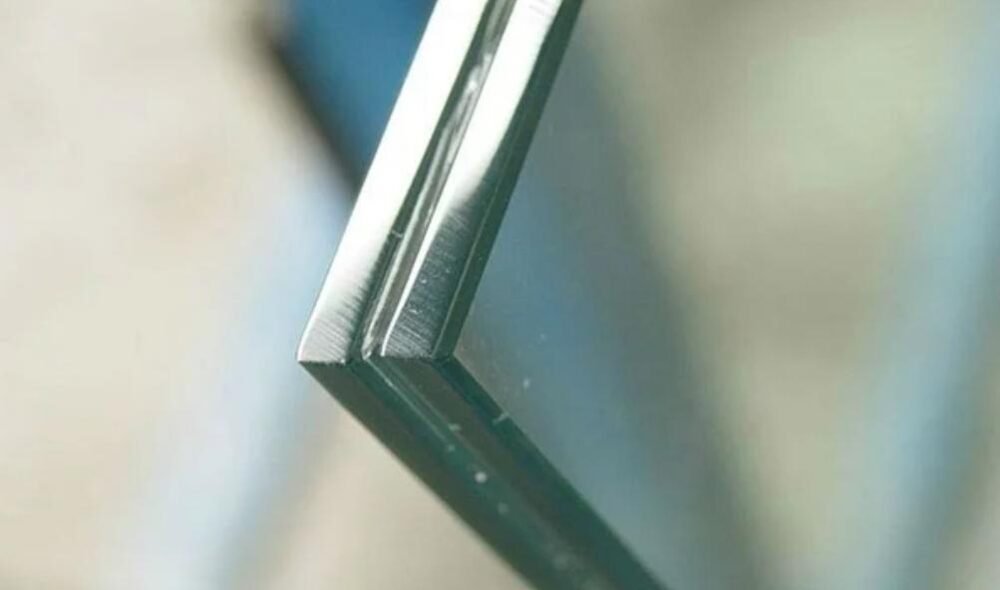
When replacement is unavoidable, laminated acoustic glass offers one of the highest noise reductions available for residential buildings. These windows use multiple glass layers bonded with a sound-damping interlayer that targets the most sensitive hearing range.
This option makes sense if:
- Windows are already due for replacement.
- Noise is severe and daily.
- Energy savings and resale value count too.
Even though acoustic windows cost more upfront, they often pay off better than small fixes over time.
What Does Soundproofing Windows Cost in the Long-Term?
Many homeowners focus only on the upfront price. In reality, performance per dollar matters more.
Solution | Lifespan | Noise Reduction | Long-Term Value |
Curtains & shades | 3–5 years | Low | Limited |
Window inserts | 10–15 years | Medium–High | Strong |
Secondary glazing | 20+ years | High | Very strong |
Acoustic replacement windows | 25–30 years | Very high | Excellent |
If noise is occasional, lighter solutions are enough. If it affects sleep or work daily, investing once is usually less expensive than layering weak fixes over time.
If window upgrades are part of a larger project, aligning soundproofing with broader improvement plans avoids rework. These home renovation tips explain how to phase upgrades efficiently without wasting budget.
Common Mistakes That Reduce Window Soundproofing Results
Based on what we have seen in real homes, most soundproofing failures don’t come from the products themselves. They are generally due to missed details during installation or unrealistic expectations about what a single solution can achieve. Acknowledge and avoid these.
- Ignoring air gaps around frames
- Mixing products without understanding how sound travels
- Expecting curtains alone to block traffic noise
- Installing inserts without airtight sealing
- Treating one window while noise enters through others
Soundproofing works best when the weakest point is addressed first.
FAQs
1.How to Soundproof Windows Without Replacing Them?
Begin by sealing all air gaps with acoustic caulk and weatherstripping. Then add soundproof window inserts or interior panels to add mass and air space. This combination delivers the best results without structural changes.
2.Do Window Inserts Really Reduce Noise?
Yes. When fully sealed, window inserts can reduce outside noise by 40–60 per cent. They are especially effective against voices, traffic, and general street activity.
3.Are Soundproof Window Shades Effective?
Soundproof window shades also absorb echoes and dampen light noise, although they do not block heavy sound. They are most effective as secondary solutions, but not primary solutions.
4.Which Is Better: Inserts Or Replacement Windows?
Inserts are ideal for renters, historic homes, or moderate noise. Replacement windows perform better in severe noise environments and for long-term ownership. The correct decision will depend on noise levels, budget, and building constraints.
Conclusion
In the majority of cases, when people finally reduce their noise exposure, they begin to understand how it influences them. Better sleep. Fewer headaches. Clearer conversations. A living room at last, where one can relax.
Window soundproofing is not a product or a trick in itself. It is about understanding how sound enters your life and finding solutions that align with your way of life. Sometimes that means sealing gaps and adding inserts. Sometimes it means planning for stronger windows down the line.
In any case, noise need not be tolerated. When windows no longer serve your purpose, then your house begins to feel like it always has.