Sustainable office furniture is no longer a trend—it’s a fundamental business strategy that directly impacts your bottom line. While conventional furniture leads to recurring replacement costs, certified sustainable options are proven to deliver a lower Total Cost of Ownership (TCO), protect the planet, and enhance employee well-being. This guide will show you exactly what makes office furniture sustainable, which materials and labels to trust, and how to select durable pieces that save your company money over the long term. Start here to make smart, eco-friendly choices that support your budget and your company’s values.
Table of Contents
What Is Sustainable Office Furniture?
Sustainable office furniture refers to pieces designed, manufactured, and used in ways that lower negative environmental and health impacts. Frequently, such furniture comes from recycled materials, responsibly sourced wood, low-VOC finishes, or modular systems that extend product life.
Instead of a disposable approach, this furniture supports a circular economy: when a desk or chair is retired, it can be reused, refurbished, recycled, or remanufactured.
A key idea is durability. Sustainable office furniture is built to last — it avoids planned obsolescence. The goal is fewer replacements, less waste, and more responsible resource use.
Finally, health matters. Many conventional desks, tables, and chairs release volatile organic compounds use toxic finishes. Sustainable options often use low-VOC or no-VOC coatings to keep air cleaner indoors.
Why Businesses Should Invest in Sustainable Office Furniture
Environmental and Social Impact
Choosing sustainable office furniture helps businesses reduce waste, conserve resources, and lower carbon emissions. When companies reuse or recycle furniture, it pushes materials back into the loop rather than sending them to landfills.
Also, purchasing from socially responsible brands often supports better labor practices, fair sourcing, and transparency in supply chains.
Cost Efficiency Over Time
While sustainable options may cost more up front, they often save money later. Because they last longer and need fewer replacements, total cost of ownership drops.
Also, repairable, modular furniture reduces maintenance costs. Instead of replacing full desks or chairs, businesses can replace parts.
Brand Image & Employee Well-Being
Companies that show a real commitment to sustainability often strengthen their reputation with clients, employees, and partners. It signals values beyond profit.
Moreover, healthier indoor air and non-toxic materials can foster a more comfortable workspace, improving productivity and satisfaction.
Materials and Certifications to Look For
Key Sustainable Materials
- FSC- or PEFC-certified wood ensures the forest is responsibly managed.
- Bamboo is fast-growing, strong, and regenerative.
- Recycled metal or plastics give new life to used materials.
- Polygood is a 100% recycled plastic panel used in furniture surfaces, with Cradle to Cradle Bronze Certification.
- Natural fabrics, such as wool, hemp, linen, and low-impact textiles, help reduce synthetic chemical use.
Certifications & Standards
Looking for labels helps ensure true sustainability. Some important ones:
- GREENGUARD / GREENGUARD Gold (low chemical emissions)
- Cradle to Cradle (material circularity and safe chemistry)
- LEED / BREEAM credits for green building projects (furniture can help)
- LEVEL® certification (used by Davies Office)
These certifications reduce the risk of “greenwashing” and help buyers trust claims.
Eco-Friendly Desks: Key Product Considerations
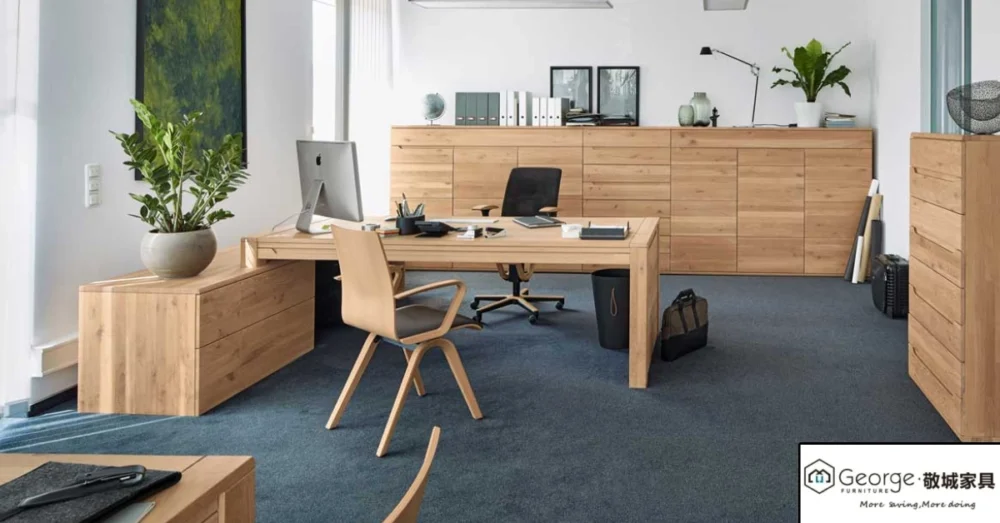
Eco-friendly desks are made from recycled or responsibly sourced materials and use low-VOC finishes to keep indoor air clean. These desks are built to last longer, save money over time, and reduce your office’s carbon footprint. Choosing eco-friendly desks is an easy way for businesses to support sustainability while creating a healthier workplace for employees.
Contact Us for a Project Consultation
Why pay more? At George’s Furniture, we cut out the middlemen to bring you premium furniture, flooring, doors, windows, and more—all at prices up to 40% below retail. With 19+ years of experience and 600 consultants, we provide complete, custom project solutions, from initial design to final delivery.
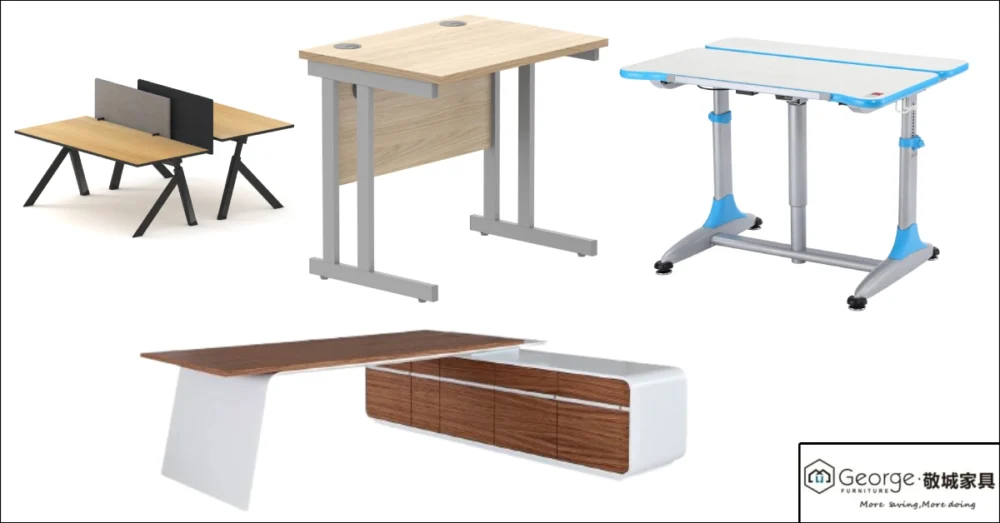
Modular and Upgradable Desks for Every Budget
To ensure longevity and cost-efficiency, look for modular desk systems. These designs are often categorized by durability and feature sets (e.g., Entry-Level, Mid-Range, and Executive grades). Choosing a modular system allows you to replace just a component—such as a damaged surface or base part—instead of buying a whole new desk. This approach significantly reduces waste and supports a long-term, scalable office setup.
Contact Us for a Project Consultation
Why pay more? At George’s Furniture, we cut out the middlemen to bring you premium furniture, flooring, doors, windows, and more—all at prices up to 40% below retail. With 19+ years of experience and 600 consultants, we provide complete, custom project solutions, from initial design to final delivery.
Comparing Options: Traditional vs Sustainable vs Remanufactured
Here’s a table to help compare different classes of furniture:
| Option | Environmental Impact | Longevity / Durability | Cost Profile | Health / Indoor Air Quality |
| Conventional (cheap MDF, particle board) | High resource use, wasteful | Moderate (often short lifespan) | Low upfront cost, high replacement cost | Often emits VOCs, toxic finishes |
| Sustainable (certified, eco materials) | Lower impact, recycled & responsibly sourced | High — built for decades | Higher upfront, lower lifetime cost | Low / no VOC emissions |
| Remanufactured / Refurbished | Very low impact (reuse) | Often excellent — renewed parts | Moderate, cost savings | Safer finishes, improved parts |
Remanufactured furniture (restored from older items) is often a sweet spot: it reduces manufacturing waste while offering quality comparable to new sustainable pieces.
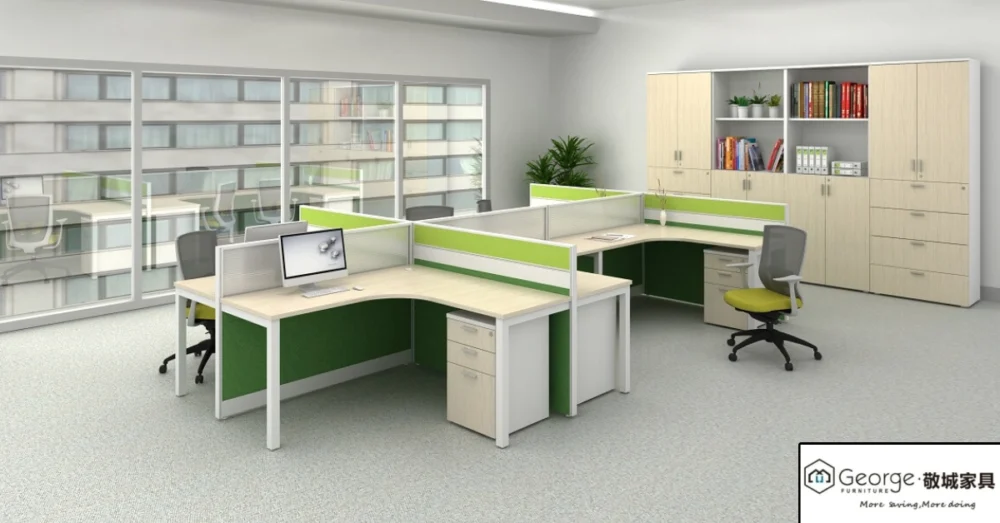
How to Choose Sustainable Office Furniture for Your Business
1. Define Your Sustainability Goals
Decide your priorities: is it carbon reduction, indoor air quality, waste reduction, or social responsibility? Setting goals helps guide choices.
2. Audit Existing Furniture
See what can be reused or refurbished. Reusing existing desks or chairs delays new purchases and reduces waste.
3. Require Certifications or Transparency
Ask suppliers to share proof of FSC, GREENGUARD, Cradle to Cradle, etc. Verify claims.
4. Favor Modular & Repairable Designs
Choose desks and chairs that are easy to disassemble and repair. That way you only replace parts, not entire pieces.
5. Compare Total Cost of Ownership
Calculate not just purchase cost, but repair, maintenance, and replacement costs over 5–10 years.
6. Test and Sample
Order samples; test surfaces, finishes, ergonomics. Make sure they meet your standards before scaling procurement.
7. Plan for End-of-Life
Ensure the supplier offers take-back, recycling, or remanufacturing programs.
Case Example
A mid-sized tech company replaced 100 outdated desks with certified sustainable models. They saved on replacements over 8 years, reduced carbon footprint by 30%, and employees reported improved air quality and comfort.
Pros & Cons of Sustainable Office Furniture
Pros
- Longer Life & Durability: Fewer replacements.
- Better Indoor Health: Low or zero VOCs reduce emissions.
- Positive Brand Value: Demonstrates corporate responsibility.
- Lower Waste & Carbon: Recycled or responsibly made materials.
- Modular Flexibility: Parts can be replaced instead of whole units.
Cons
- Higher Upfront Cost: Initial purchase can be more expensive.
- Limited Local Availability: Sustainable brands or certified furniture may not be near you.
- Complex Verification: You must check certifications and claims.
- Longer Lead Times: Some eco furniture is custom or made in smaller batches.
Contact Us for a Project Consultation
Why pay more? At George’s Furniture, we cut out the middlemen to bring you premium furniture, flooring, doors, windows, and more—all at prices up to 40% below retail. With 19+ years of experience and 600 consultants, we provide complete, custom project solutions, from initial design to final delivery.
Pricing Insights & What to Expect
- A basic sustainable desk (e.g. FSC wood, metal frame) might cost 20–50% more than a conventional counterpart.
- Premium ergonomic chairs with certifications may range from USD 500 to over 1,000 depending on materials and brand (Steelcase, Humanscale, etc.).
- Remanufactured furniture can cost 30-60% less than brand new certified versions, while offering high quality.
- Bulk purchases often carry discounts; ask suppliers about scaled pricing.
- Factor in delivery, installation, and potential recycling fees when budgeting.
In many cases, the extra cost pays off when you avoid frequent replacements and maintenance, reducing total long-term cost.
Integrating Sustainable Furniture into Office Planning
Big offices often combine methods for maximum results. For example, they may use RFID tags along with a cloud-based software system. This hybrid approach balances cost with efficiency.
Layout & Light
Position desks near windows for natural light. Good layout reduces need for artificial lighting, enhancing energy efficiency.
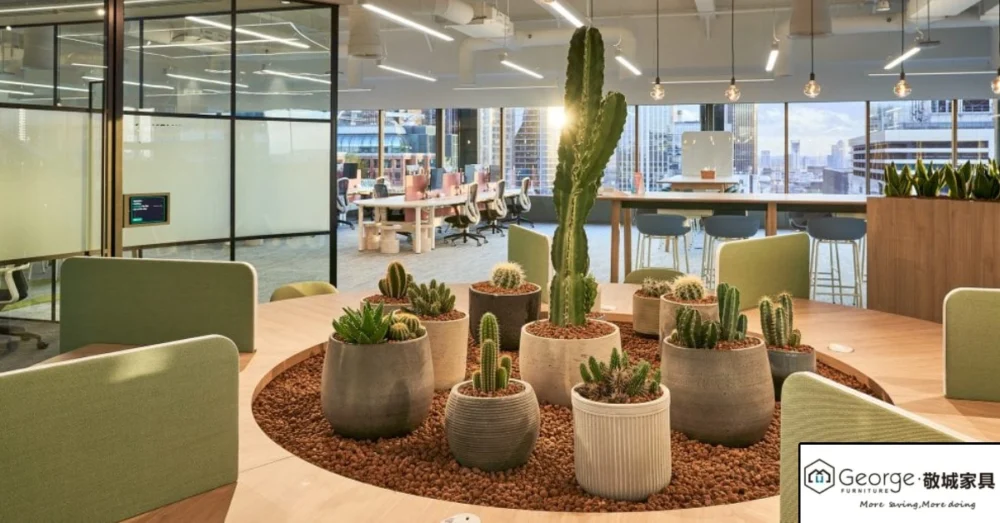
Biophilic Design
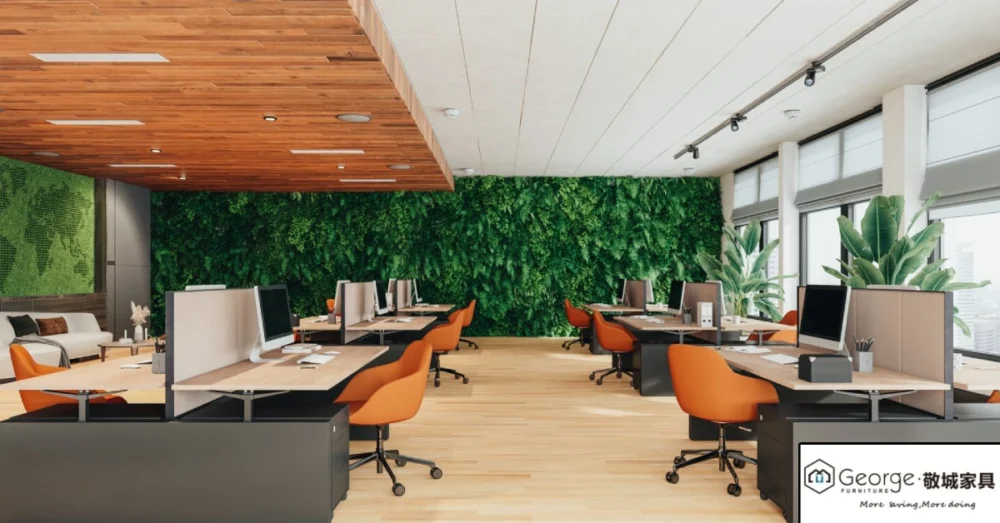
Incorporate plants, natural materials, and views of nature. These elements combine well with sustainable furniture and boost wellbeing.
Flexibility
Choose modular systems you can expand or modify, reducing waste when needs change.
Holistic Approach
Sustainable furniture pairs well with energy-efficient lighting, HVAC systems, and smart building practices.
Change Management
Train staff on care, repair, and proper use of modular furniture. Maximize life span through good practices.
Frequently Asked Questions (FAQ)
Q: Is sustainable office furniture more expensive in the long run?
A: Usually not. While upfront costs can be higher, repairability, durability, and fewer replacements often make sustainable options cheaper over time.
Q: How can I trust a manufacturer’s sustainability claim?
A: Look for recognized certifications (FSC, GREENGUARD, Cradle to Cradle, LEVEL®) and ask for documentation or transparent sourcing.
Q: Can I convert my existing furniture to be more sustainable?
A: Yes. You can refinish surfaces with low-VOC coatings, reupholster with natural fabrics, or retrofit modular parts rather than discarding.
Q: Is remanufactured furniture really as good as new?
A: In many cases yes. Remanufacturers rebuild items to like-new condition, often with warranties, making them a strong sustainable option.
Q: Does sustainable furniture help with green building certifications?
A: Yes. Many green building schemes (LEED, BREEAM) allow points for using certified, low-emission, recycled-content furniture.
Conclusion: Start Today to Maximize Your TCO and Sustainability Impact
Choosing sustainable office furniture is a decisive business move that directly invests in your future—securing a healthier workplace, strengthening your brand, and achieving a demonstrably lower Total Cost of Ownership (TCO). Every selection, from eco-friendly desks to remanufactured solutions, allows your business to reduce waste and its carbon footprint.
Now that you know which certifications (GREENGUARD, FSC, Cradle to Cradle) and suppliers (Steelcase, Humanscale) to look for, you are ready to implement a responsible procurement strategy. Don’t delay the payoff. Use this guide to immediately begin auditing your needs, requiring supplier transparency, and designing a workspace that benefits your team and the world around you. Your greener, more cost-effective office starts today.