Bathrooms cause the most problems for people with disabilities. If they’re designed without thinking, slips, awkward reach, and dependence are the problems you get as a result.
If you plan to age in place, support the elderly, or renovate a rental property for someone with special needs, this guide offers bathroom accessibility solutions that work in real-world households. Not showroom examples. Not theory. Clear decisions you can act on.
Below, we focus on layouts, costs and identify where each alternative falls short, so you do not learn through experience. Let’s begin!
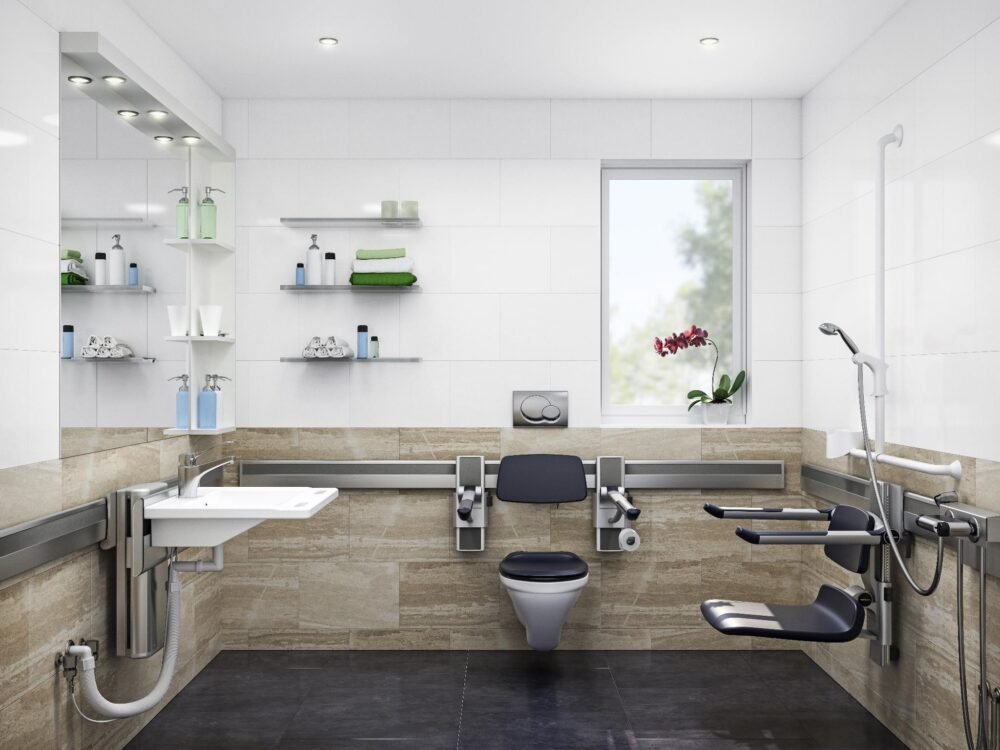
Table of Contents
Quick Answer
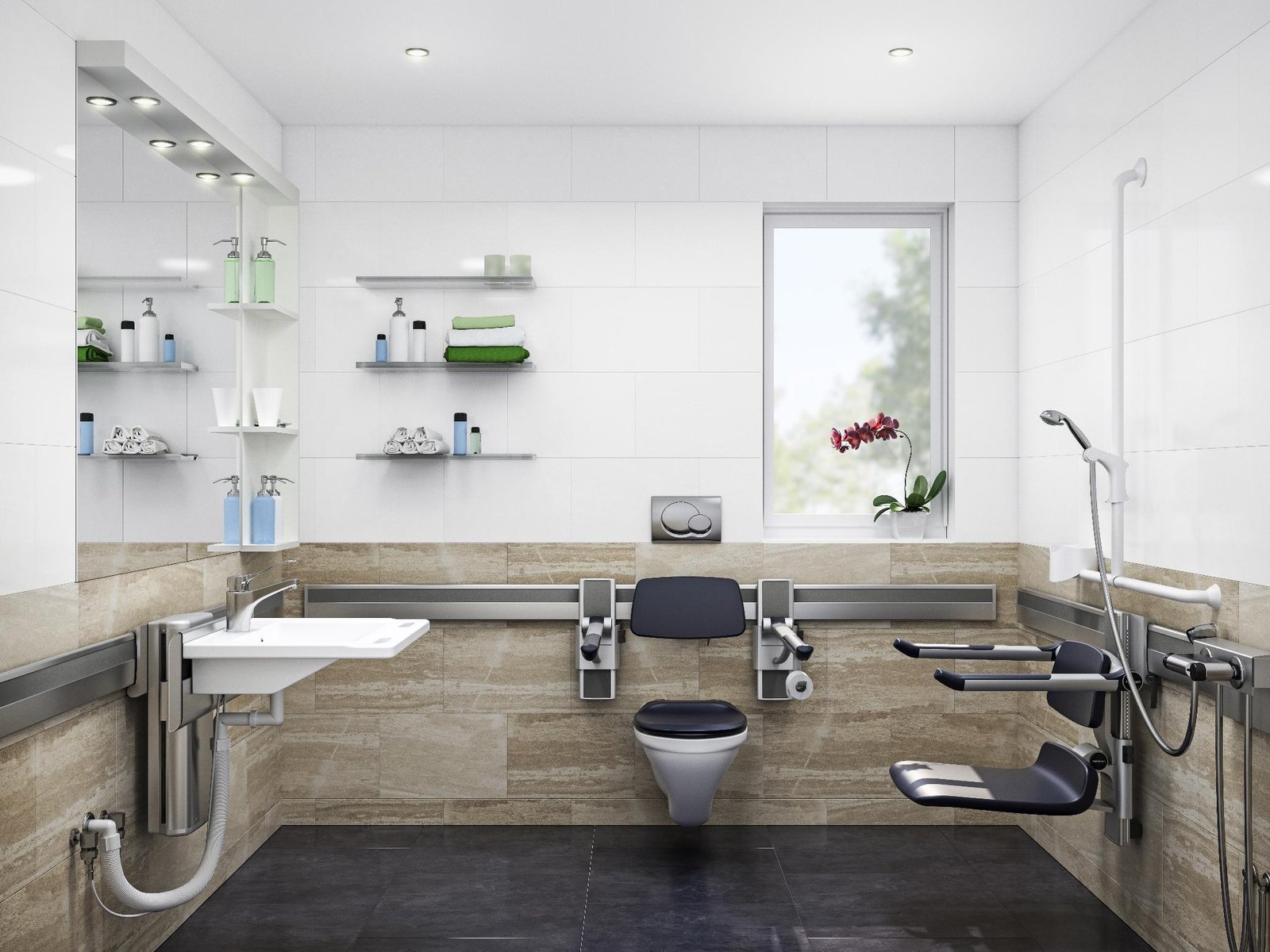
What really makes the wheelchair accessible bathroom isn’t fancy fixtures. It’s an open space, a flat shower entry, and a toilet that doesn’t strain the user. Even simple adjustments can improve safety without tearing up the room. You don’t always need a complete remodel to get there.
Who Are These Solutions For?
The following are some of the situations in which you need an accessible bathroom.
- Wheelchair users who need a turning radius and roll-in access
- Older adults with balance issues but good upper body strength
- Temporary mobility limits after surgery or injury
- Families planning a handicap bathroom remodel for future needs
Each user has a different situation, and so is their solution. That’s why, at George Living, we recommended bathroom accessibility solutions based on each user’s abilities and needs, not the products
Core Layout Choices That Matter Most
This is where the layout starts to make a real difference in daily use. The effectiveness of the bathroom depends heavily on these layout decisions. Getting them right makes daily routines much easier.
ADA Standards or Home Comfort
An ada bathroom layout follows public space rules. Home disabled bathroom layouts have more freedom and can be designed for comfort, not compliance. The table below breaks down the key differences.
Feature | ADA-focused layout | Home-focused accessible layout |
Clear floor space | Strict minimums | Adjusted to room size |
Fixtures | Standardized | User specific |
Comfort | Secondary | Primary |
Cost | Higher | More controllable |
Accessible Showers For Real Bathrooms
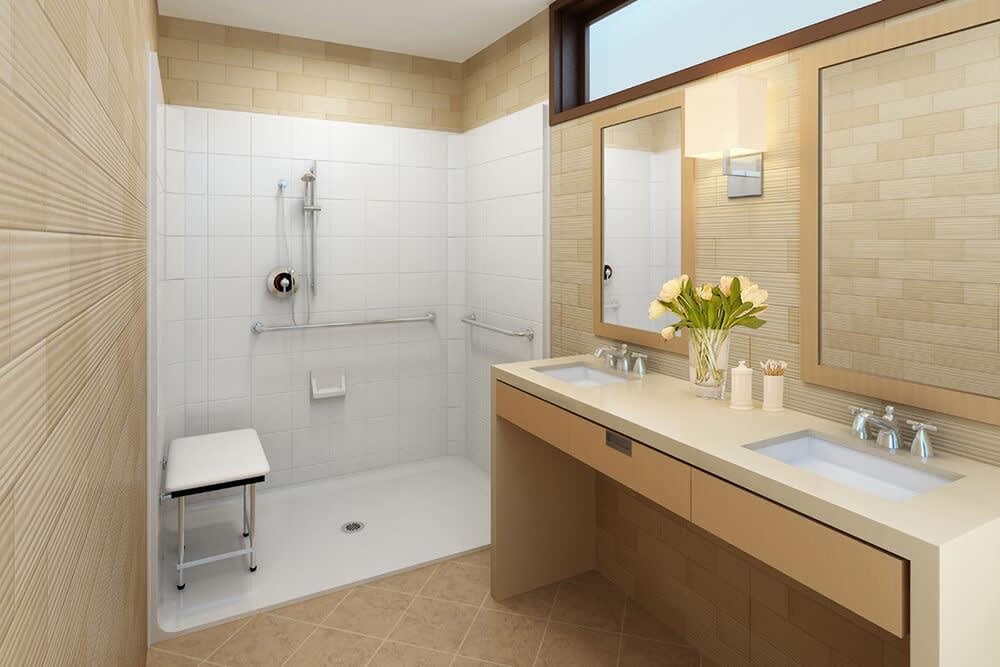
Showers are where most injuries happen. That is not an opinion. It is data. We have compared some of the best options below to help you select.
Shower type | Best for | Pros | Cons |
Roll in the shower | Wheelchair users | No threshold, easy transfer | Needs space |
Low curb shower | Seniors | Controls water, easier entry | Still a step |
Walk-in tub | Limited balance | Seated bathing | Slow fill and drain |
Handicap showers for small bathrooms | Tight layouts | Space efficient | Design must be precise |
Key details that get ignored:
- Fold-down seats must be solid, not decorative
- Grab bars fail when anchored to drywall only
- Handheld showers need reach from a seated position
These are common failure points we see during inspections.
Toilet Height and Clearance Decisions
Toilets are another high-risk zone. Choosing the wrong height causes daily strain.
Disabled Toilet Height Guidelines
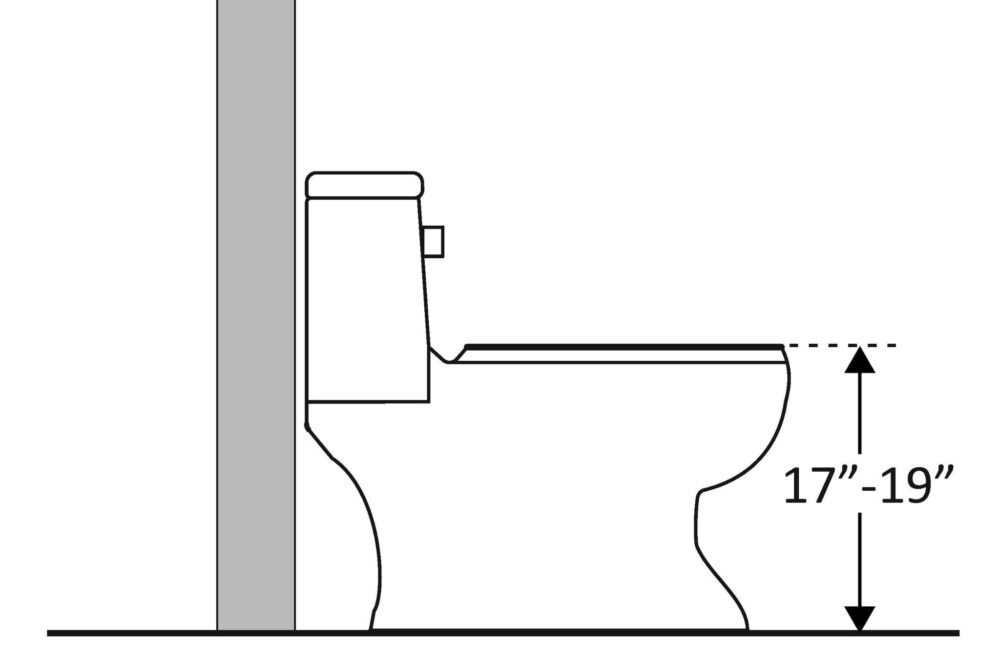
- Ideal seat height: 17 to 19 inches
- Side clearance: minimum 36 inches for transfers
- Rear clearance: space for safe positioning
A raised seat can help in the short term, but permanent installs are more stable. We almost always pair height-adjustable fixtures with side grab bars to improve standing safety.
Sink and Vanity Accessibility
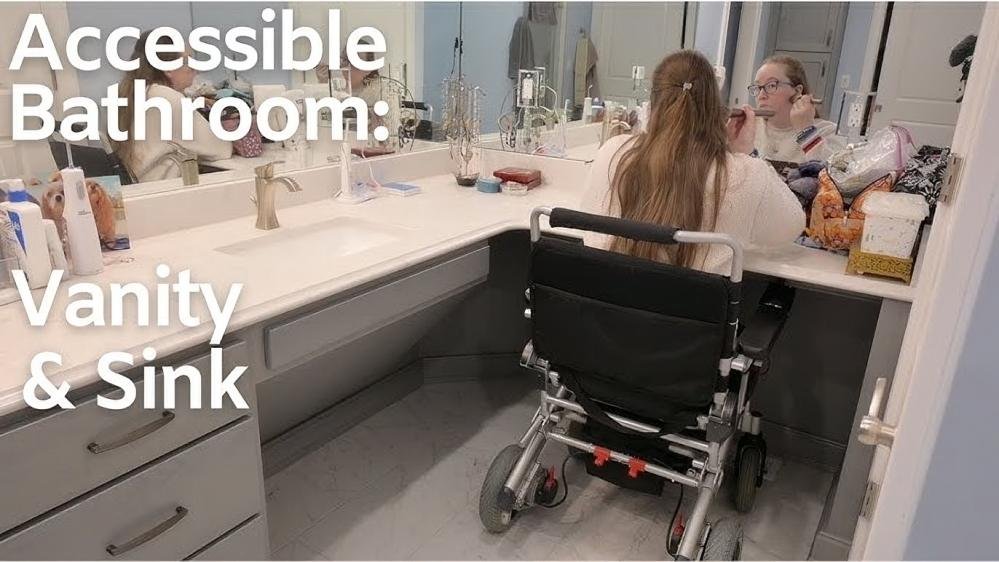
For wheelchair users, knee clearance designs are more than style. These small but crucial adjustments are key to successful bathroom accessibility solutions. Essential measurements include:
- Counter height no more than 34 inches
- Knee clearance at least 29 inches
- Clear the approach space in front
Touchless faucets are not a luxury add-on. For low-dexterity users, it reduces daily frustration and lowers fall risk.
From our practical experience, it’s not enough to pick a visually appealing vanity. Proper knee clearance, counter height, and faucet reach are all measured and tested in real homes.
When Accessibility Upgrades Beat Complete Remodelling?
Homeowners with a limited budget, a tight timeline, or people living in a rental place can’t do complete remodels. Targeted changes are ideas in these situations. The following are some practical bathroom accessibility solutions you can add without renovation.
Upgrade | Cost range | Impact |
Grab bars | Low | High |
Raised toilet seat | Low | Medium |
Shower chair | Low | High |
Handheld shower | Low | Medium |
Motion lighting | Low | Medium |
When Accessibility Solutions Fail?
This is where most articles stay quiet.
Accessibility performs poorly when:
- The materials do not match the moisture levels
- Clearances are copied without measuring the user
- Fixtures are installed at standard heights
- Budget cuts remove structural backing
A disabled bathroom design must match how the person actually moves. Specs alone do not guarantee safety.
Bathroom Accessibility Solutions Cost Expectations in 2026
Here is what we see most often in real projects.
Scope | Typical cost |
Basic upgrades | 1000 to 3000 USD |
Partial remodel | 6000 to 15000 USD |
Full accessible remodel | 18000 to 36000 USD |
Costs depend heavily on plumbing moves, waterproofing, and door widening.
Our Practical Approach Before Choosing Anything
Before recommending products or layouts at George Living, we always ask:
- Can the user turn comfortably today and in five years?
- Is standing strength declining or stable?
- Does the bathroom allow assisted use if needed?
- Will maintenance be realistic long-term?
Want to know the best bathroom solution based on your needs? Contact George Living now!
Pros and Cons of Standard Bathroom Accessibility Solutions
No solution is perfect. Each choice involves trade-offs among comfort, space, and cost. This is the honest breakdown we use when guiding homeowners.
Roll-in and Curbless Showers
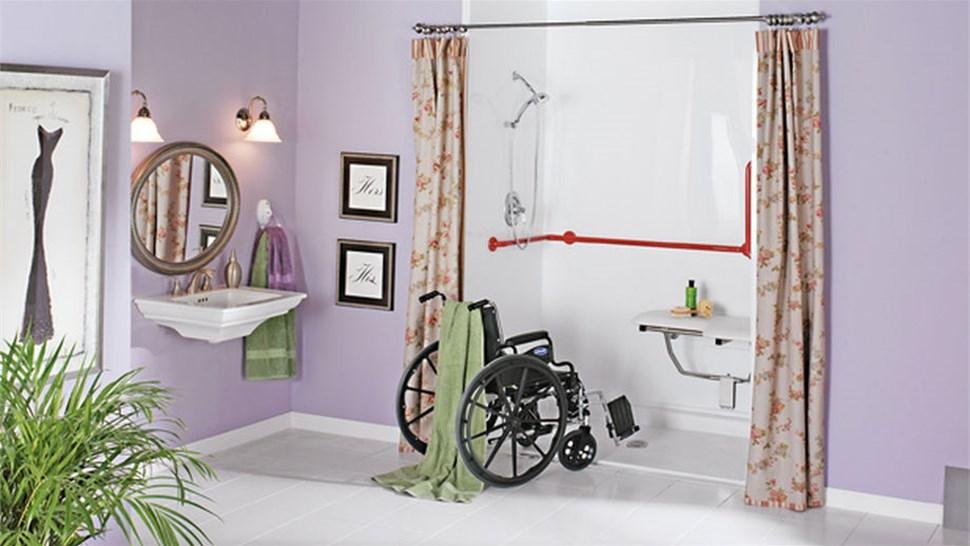
The following are the pros and cons of roll-in and curbless showers:
Pros | Cons |
Most effortless transfer for wheelchair users | Water control needs careful slope design |
No step means fewer fall risks | Not ideal in very tight bathrooms |
Works well for long-term mobility changes | Higher waterproofing cost if done right |
Walk-in Tubs
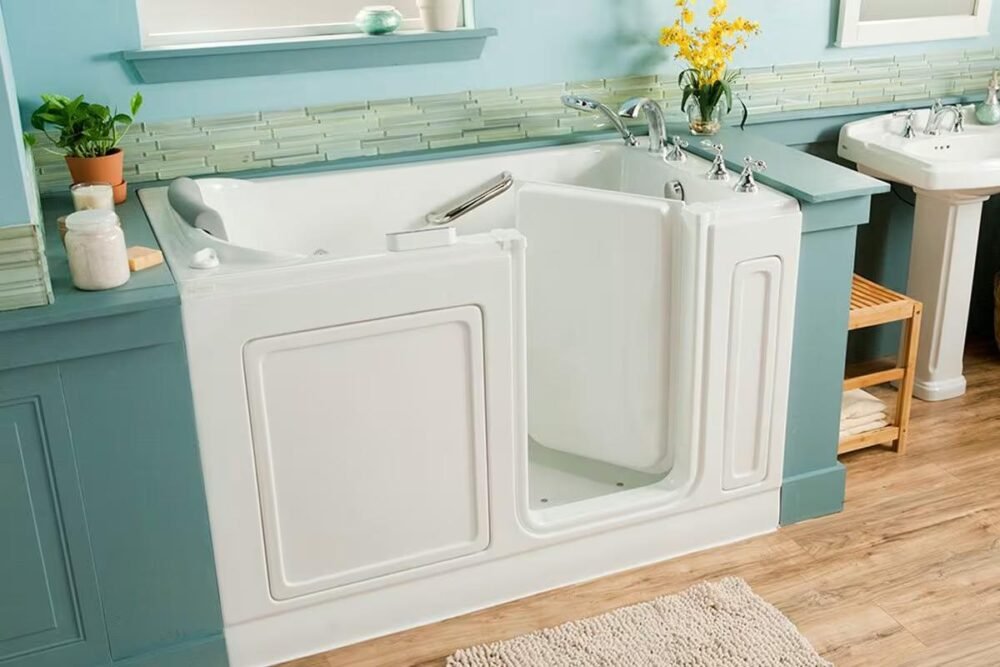
The following are the pros and cons of walk-in tubs:
Pros | Cons |
Safe seated bathing | Long wait time to fill and drain |
Good for people who cannot stand long | Not suitable for wheelchair transfers |
Built-in grab bars | Takes more space than expected |
Comfort Height Toilets
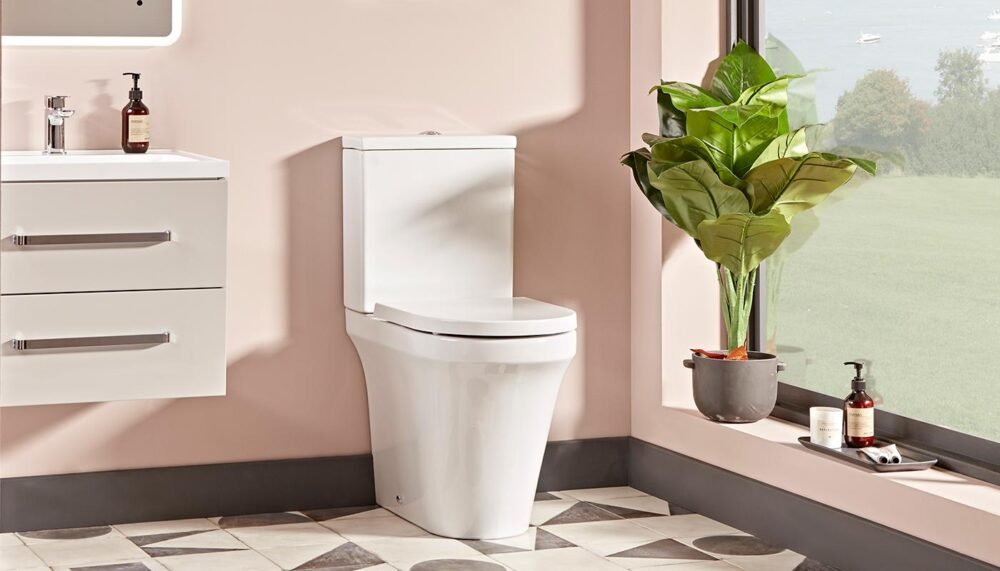
The following are the pros and cons of comfort height toilets:
Pros | Cons |
Improves standing and sitting effort | Temporary seats can shift |
Affordable compared to full replacement | Wrong height causes hip strain |
Easy upgrade path | Needs grab bars to be truly safe |
This is where errors in disabled toilet height occur most often.
Brand and Product Categories Worth Knowing
We do not push specific brands unless the use case demands it. Still, some categories consistently perform better.
Shower Systems
If you are looking for an accessible shower system, Kohler and Moen are ideal for reliable valves and handheld systems. Keep in mind that commercial-grade fixtures last longer in daily use.
Toilets
If you want to buy comfort height toilets, American Standard or Toto are the ideal brands. Choose wall-mounted systems if the floor space is limited.
Grab Bars and Seating
Choose stainless steel bars with concealed mounting. As far as the seating choice, fold-down seats are rated for real weight loads. Always buying from trusted manufacturers like George Living reduces the risk of later replacement or repair issues.
Common Mistakes We See People Make
This section alone prevents the most expensive failures.- Copying ADA layouts without adapting them: An ada bathroom layoutis a guideline, not a living room rulebook. Homes need flexibility.
- Ignoring how users transfer:We often see layouts that appear compliant but fail in real-world conditions. Transfers matter more than measurements.
- Prioritising style over grip: Polished tiles and slim fixtures look good but perform poorly when wet.
- Underestimating small bathroom limits: Trying to force large fixtures into tight spaces ruins flow. It is especially common with handicap showers for small bathrooms.
- Skipping future needs: Mobility usually changes. Designs should allow adjustments without demolition.
Planning ahead ensures your bathroom accessibility solutions continue to work as needs evolve.
These errors are usually avoidable with early checks and real-world testing. Our team at George’s Living emphasises measurement and mock-ups to prevent falls.
Professional vs DIY Accessibility Upgrades
Before making this decision, remember to prioritise safety over cost.
Approach | When it works | When it fails |
DIY upgrades | Temporary needs | Structural changes |
Partial professional help | Fixture swaps | Layout changes |
Full professional install | Long-term use | Rarely fails when planned well |
For long-term use, professional bathroom accessibility solutions almost always save money.
FAQs
What is the Minimum Size For a Wheelchair Accessible Bathroom?
Most require a minimum turning radius of 60 inches, but can fit in smaller rooms with clever layouts.
Is an ADA Bathroom Layout Required in Homes?
No. It is a guideline. Residential bathrooms can be adjusted for comfort and space.
Are Grab Bars Enough Without Remodelling?
They help, but they do not replace proper layout and fixture height.
What is the Optimal Height of Toilets for Accessibility?
The largest share of users falls between 17 and 19 inches, based on leg strength.
Can Small Bathrooms Still be Accessible?
Yes. With the right fixtures and layout choices, small spaces can still work safely.
Are Walk-In Tubs Better Than Showers?
Only for usWalk-In prefers seated bathing and does not need wheelchair access.
Final Words
When independence, safety, and long-term usage are essential, think beyond quick fixes. Choosing the wrong solution can create even more problems, like risk of injury, functionality issues, etc.
Always choose the bathroom accessibility solutions that match your needs. These make your everyday life easier and safer. Confused between different solutions? Contact George Living. At George Living, our experts help you build a fully accessible bathroom by recommending solutions for your specific needs.