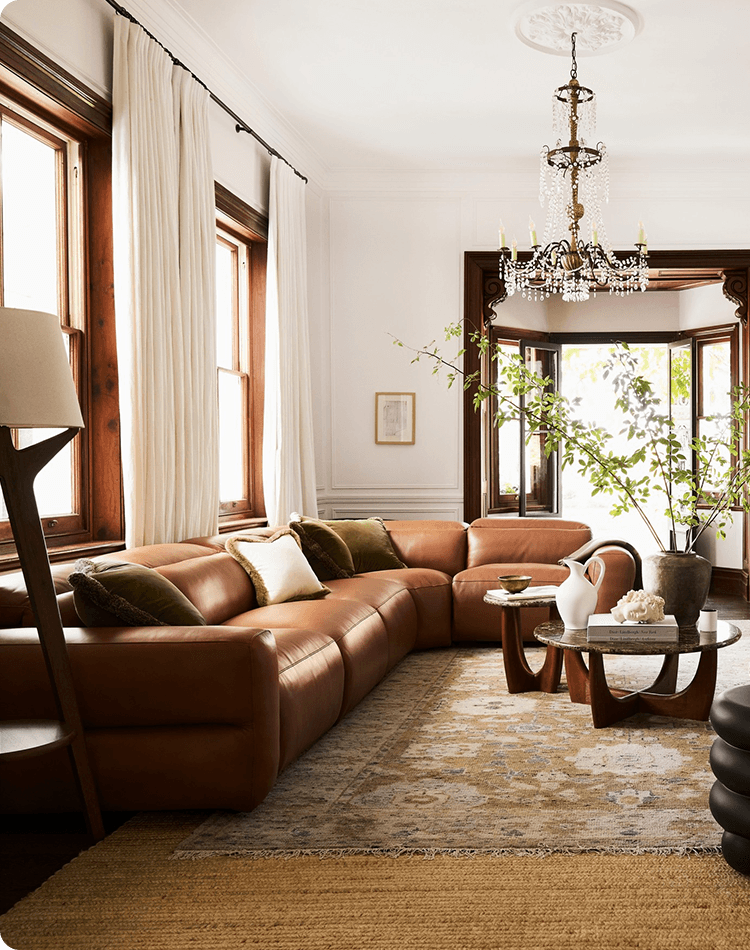
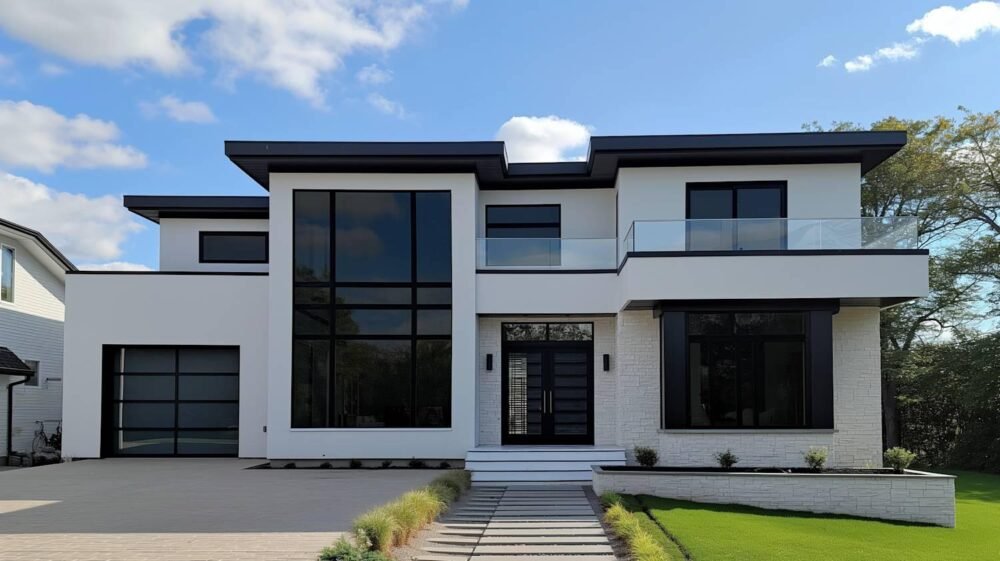
You are not the only one who feels like your house heats up too quickly during summer, your furniture continues to fade, and your home feels exposed every time the lights come on at night—especially after sunset when street-facing windows turn into clear views from outside.
Many homeowners begin looking into options such as heavier curtains or full window replacement. That usually means higher costs, disruption, and mixed results. This is exactly why many homeowners turn to window tinting for homes as a practical solution that addresses several problems at once.
In this guide, you will find proven methods of residential window tinting, which options work best in real homes, and what costs to expect. You’ll also learn about installation and long-term maintenance. Let’s get into the details.
Table of Contents
What Window Tinting for Homes Really Does?
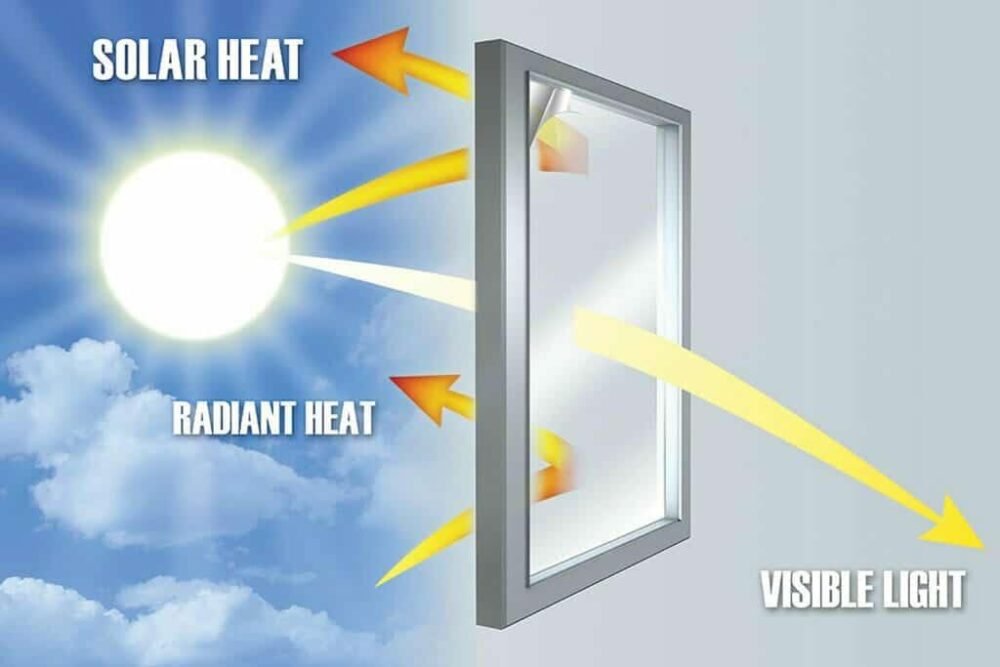
Residential window tinting, often referred to as home window tinting, involves applying a thin window film for homes or using tinted glass to regulate how sunlight enters your living space. The goal is not to block light entirely, but to manage it more efficiently.
Most modern window films can:
Block up to 99% of harmful UV rays
Reduce solar heat gain by 50–80%, depending on the film
Cut glare while preserving natural light
Improve daytime privacy
Help stabilize indoor temperatures throughout the year
From our experience working with residential window tinting in real homes, homeowners notice not only lower indoor temperatures but also rooms remaining comfortable throughout the day without constantly adjusting blinds or air conditioning.
Research shows that nearly one-third of heating and cooling energy escapes through windows. In hot climates, untreated glass can allow over 20% of unwanted heat indoors. That’s why window tinting for homes has become a functional upgrade rather than a cosmetic one.
Contact Us for a Project Consultation
Why pay more? At George’s Furniture, we cut out the middlemen to bring you premium furniture, flooring, doors, windows, and more—all at prices up to 40% below retail. With 20+ years of experience and 600 consultants, we provide complete, custom project solutions, from initial design to final delivery.
Common Reasons Homeowners Choose Window Tinting
Most homeowners notice these problems gradually rather than all at once, especially during peak summer months:
High cooling costs during summer
Furniture, flooring, or artwork fading near windows
Lack of privacy in street-facing rooms
Screen glare on TVs, laptops, and kitchen surfaces
Tinting is a solution to these issues that does not obscure the views or demand structural alterations. It can also be used with design enhancements, such as George door and wall panels, when homeowners desire a unified interior appearance without changing the windows.
Types of Window Tinting
There are two primary methods of window tinting for homes. They both have their niche in terms of budget, wear and tear and purpose.
Tinted Glass Windows
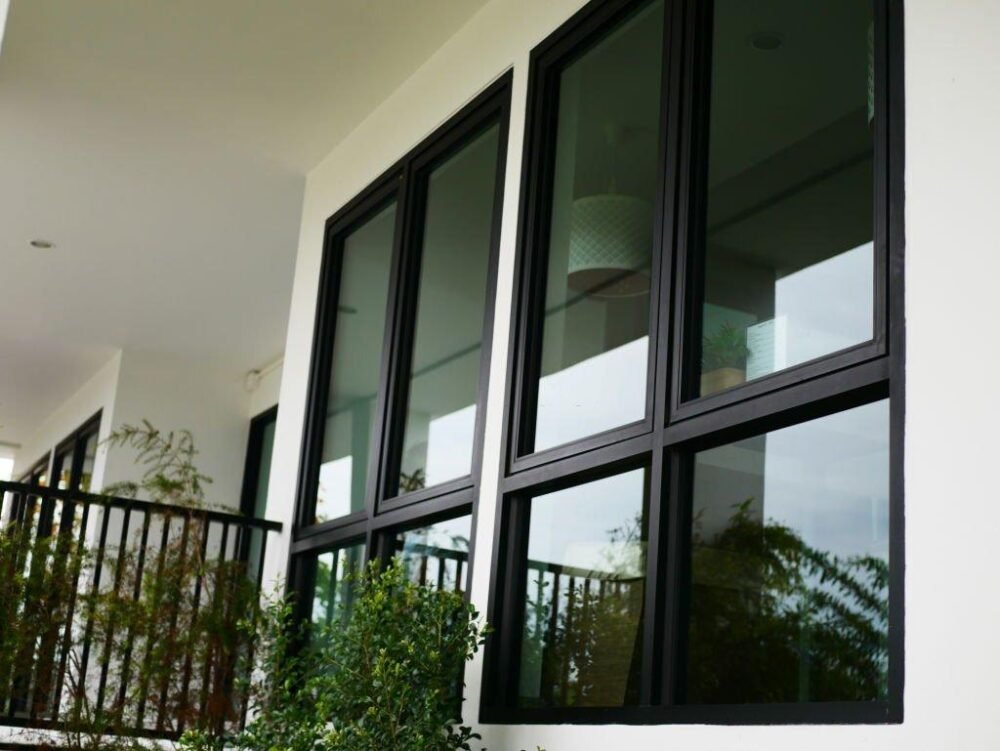
Tinted glass is manufactured with color or solar control properties built directly into the glass. It’s durable and resistant to peeling or bubbling. This option is commonly chosen for:
New construction projects
Major renovations
Long-term durability with minimal maintenance
The lifespan can exceed 20 years, but the upfront cost is higher due to glass replacement.
Clear Glass with Window Film
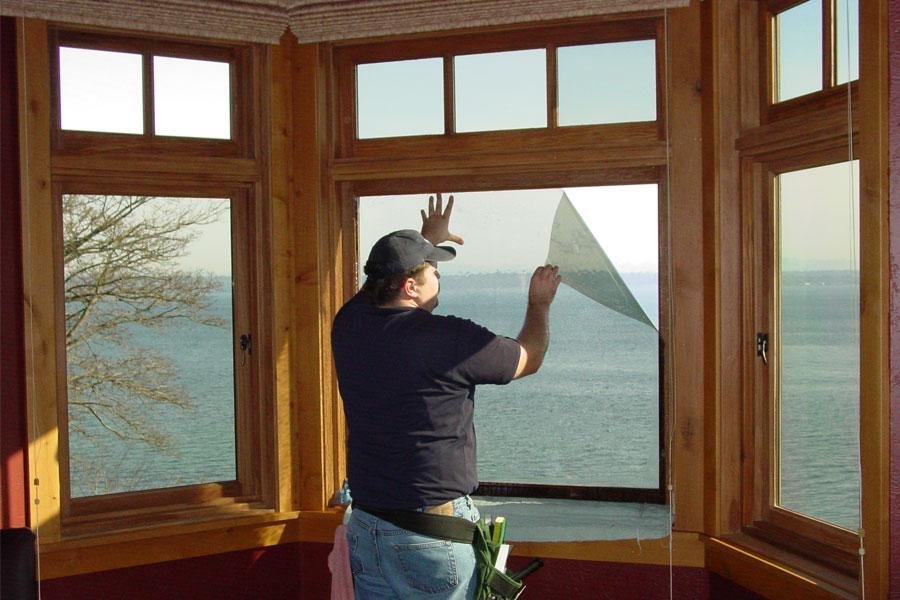
This is the most flexible and popular option for existing homes. A house window tint film is applied directly to current windows and works especially well for:
Existing homes
Targeting specific rooms
Budget-conscious upgrades
High-quality window films typically last 10–20 years, depending on installation and care, and offer a wider range of privacy and design finishes.
Contact Us for a Project Consultation
Why pay more? At George’s Furniture, we cut out the middlemen to bring you premium furniture, flooring, doors, windows, and more—all at prices up to 40% below retail. With 20+ years of experience and 600 consultants, we provide complete, custom project solutions, from initial design to final delivery.
Popular Types of Window Films Used in Homes
Different window films solve different problems, and choosing the wrong one can create new issues instead of fixing existing ones.
Film Type | Best Use Case | Key Benefit |
Solar Control Film | Hot, sunny rooms | Heat and glare reduction |
Privacy or Frosted Film | Bathrooms, street-facing windows | Privacy without curtains |
Decorative Film | Entryways, glass panels | Style with light control |
Security Film | Ground floor windows | Glass shatter protection |
Dual Purpose Film | High sun exposure areas | Heat control plus safety |
Solar control films remain the most common window film for homes, allowing spaces to stay bright without excessive heat. Decorative and frosted films are often used on interior glass for privacy and visual appeal.
Contact Us for a Project Consultation
Why pay more? At George’s Furniture, we cut out the middlemen to bring you premium furniture, flooring, doors, windows, and more—all at prices up to 40% below retail. With 20+ years of experience and 600 consultants, we provide complete, custom project solutions, from initial design to final delivery.
Energy Savings You Can Actually Feel
Many people assume window tinting only matters in summer. In real homes, quality films improve comfort year-round.
In summer:
Reflect solar heat before it enters
Reduce air conditioning usage
Keep rooms usable throughout the day
In winter:
Help reduce heat loss through glass
Maintain more stable indoor temperatures
From our experience, energy savings of 10–40% are common, depending on climate and window exposure. Some homeowners save $1–$2 per square foot of installed film annually.
Contact Us for a Project Consultation
Why pay more? At George’s Furniture, we cut out the middlemen to bring you premium furniture, flooring, doors, windows, and more—all at prices up to 40% below retail. With 20+ years of experience and 600 consultants, we provide complete, custom project solutions, from initial design to final delivery.
Pros and Cons of Window Tinting for Homes
No upgrade is perfect. Knowing the trade-offs upfront helps avoid regret.
Pros | Cons |
Lower cooling costs | Poor quality film can fade or bubble |
UV protection for interiors | Some window warranties may be affected |
Improved privacy | Very dark tints may reduce exterior clarity |
Reduced glare | Improper installation shortens lifespan |
No window replacement required | Poor installation can shorten the film’s lifespan |
Choosing the right film and installer matters far more than choosing the darkest tint.
Window Tinting Costs for Homes: What You Should Budget
Pricing is often confusing for homeowners because quotes can vary widely. In practice, window tinting for homes is priced based on the film type, window size, glass type, and whether you choose DIY or professional installation. Below is a realistic breakdown of average residential window tinting costs.
Film Type | Average Cost per sq ft | Typical Use |
Solar Control Film | $6 to $12 | Heat and glare reduction |
Privacy or Frosted Film | $7 to $15 | Bathrooms, street-facing windows |
Decorative Film | $8 to $18 | Interior glass, design accents |
Security Film | $9 to $20 | Safety and break resistance |
Dual Purpose Film | $14 to $25 | Heat plus security |
Professional installation typically adds $3–$8 per square foot. Whole-home home window tinting often ranges from $500–$2,000—far less than window replacement.
Brand Names You’ll See in Quality Window Films
Not all window films serve the same purpose, and choosing the wrong one can create new problems instead of solving existing ones. For this reason, many homeowners look to established residential window film manufacturers, including:
Madico
3M Window Films
Solar Gard
Llumar
Professional vs DIY Window Tinting for Homes
Many homeowners try to save money at this stage, but this decision often leads to regret. From our experience with residential interiors, most long-term problems with window tinting arise from film selection and installation quality rather than the product itself. Let’s explore the differences between DIY and professional tinting in more detail:
DIY Window Tinting for Homes
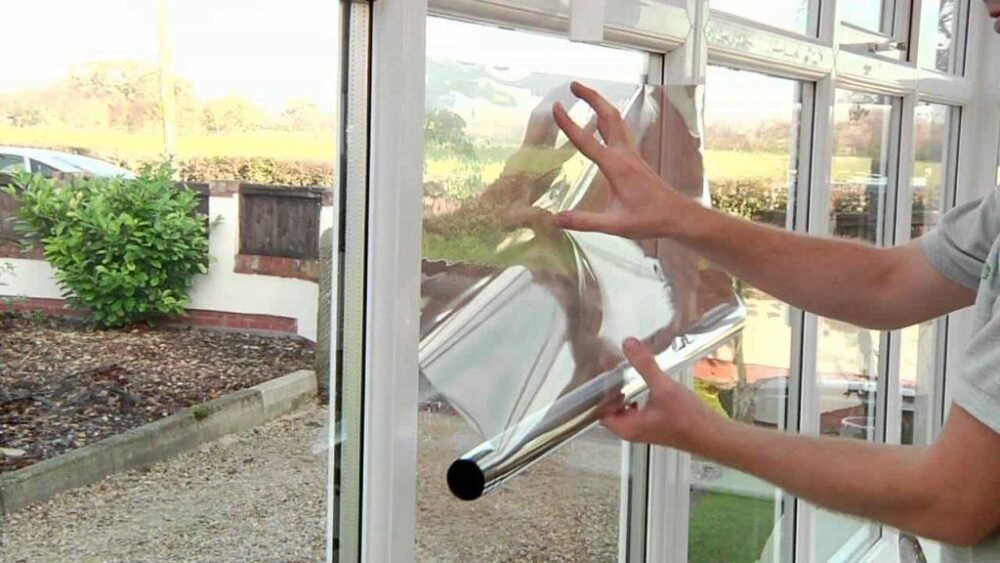
DIY kits can work for small, simple windows if you are patient and precise.
Good for | Risks |
Small interior windows | Trapped air bubbles |
Decorative or frosted films | Uneven edges |
Budget-limited projects | Film peeling over time |
None | Voided window warranties |
A single mistake can ruin the film and waste money.
Professional Window Tinting for Homes
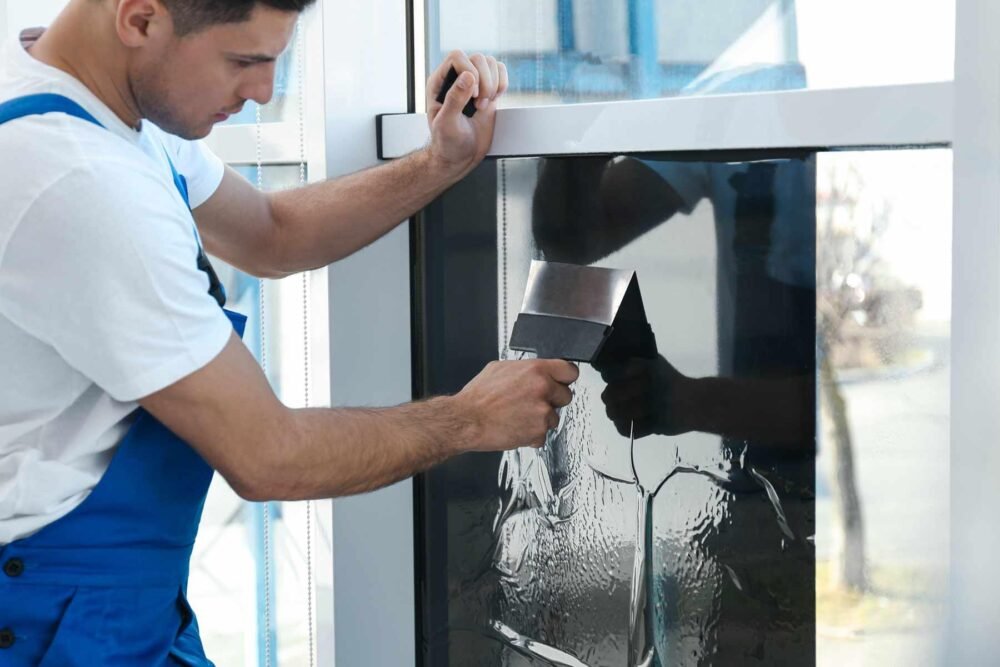
Professional installers understand glass types, sun exposure, and film compatibility. Best suited for:
Large windows
Heat control films
Double-pane or Low-E glass
Room-by-Room Tinting Strategy That Works
They also offer a warranty against bubbling, peeling, or discoloration. When home window tinting is part of a larger upgrade, such as a whole-home remodeling, the tinting is professionally installed to ensure a consistent look and finish throughout the home.
Living rooms: Light solar control film
Bedrooms: Medium tint for comfort
Bathrooms: Frosted or decorative film
Street-facing windows: Privacy or reflective film
South- and west-facing windows: High-performance solar film
This method enhances comfort without making the house feel closed in.
What is the Best Way to Clean Tinted Windows?
A good film lasts longer when treated properly.
- Avoid cleaning for at least 30 days after installation to allow proper curing.
- Always use ammonia-free cleaners.
Use only soft microfiber cloths. - Avoid blades or abrasive pads that could damage the film.
- Dry edges gently to prevent lifting.
With basic care, quality films can perform well for decades.
FAQs
1. Is window tinting worth it for homes?
Yes. It reduces heat, protects interiors, improves privacy, and lowers energy use without changing window appearance.
2. Which tint is best for home windows?
It depends on your needs. Solar control for heat, frosted for privacy, dual-purpose for safety and efficiency.
3. Can window tinting be done at home?
Small projects can be DIY, but heat-control and security films are best installed professionally.
Final Words
Glare in the afternoon, uncomfortable seating near windows, rising power bills—these small frustrations build up over time. Homeowners often reach a point where they start closing blinds earlier each day or avoiding certain rooms altogether.
One advantage of window tinting for homes is how quietly it improves daily living. Less heat. Less fading. More privacy. Better comfort. When chosen and installed correctly, it feels like something your home should have had all along.
About the Author
This article was written by Michelle Chen, a home improvement specialist with hands-on experience in residential window tinting and interior comfort solutions. Over the years, we’ve worked with homeowners to improve energy efficiency, reduce glare, and enhance privacy using professionally selected window films suited to different home layouts and climates.